
 Deutsch
 English
 Español
 Français
 Nederlands
 Português






Operation Christmas Drop 2025: The World's Longest-Running Humanitarian Airlift
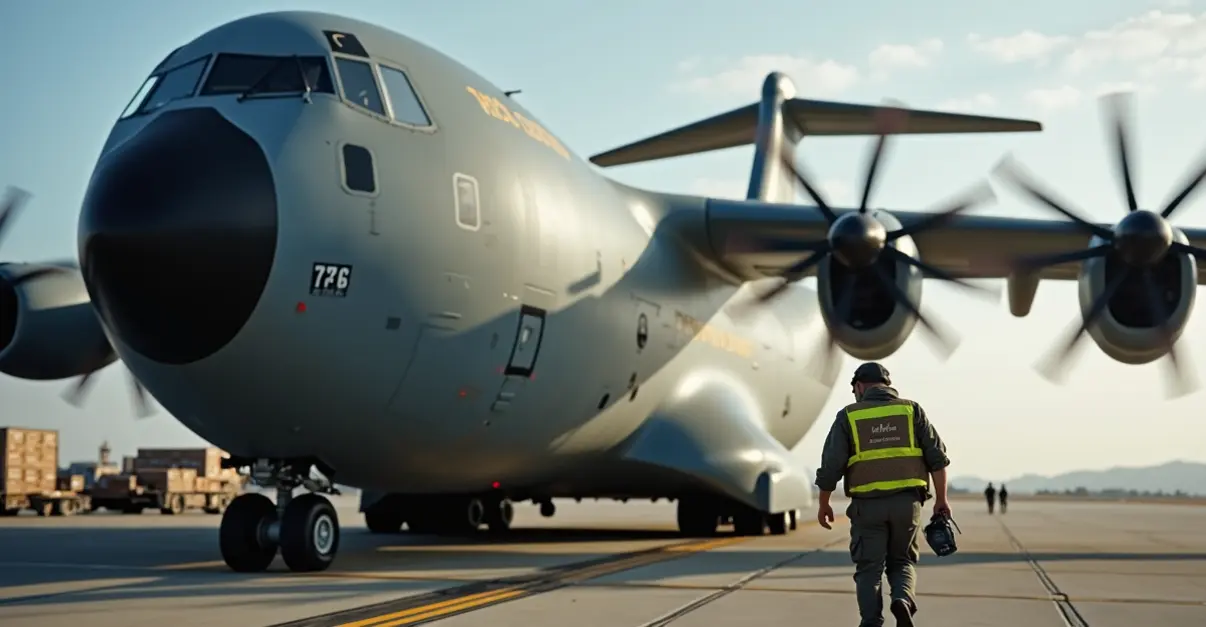
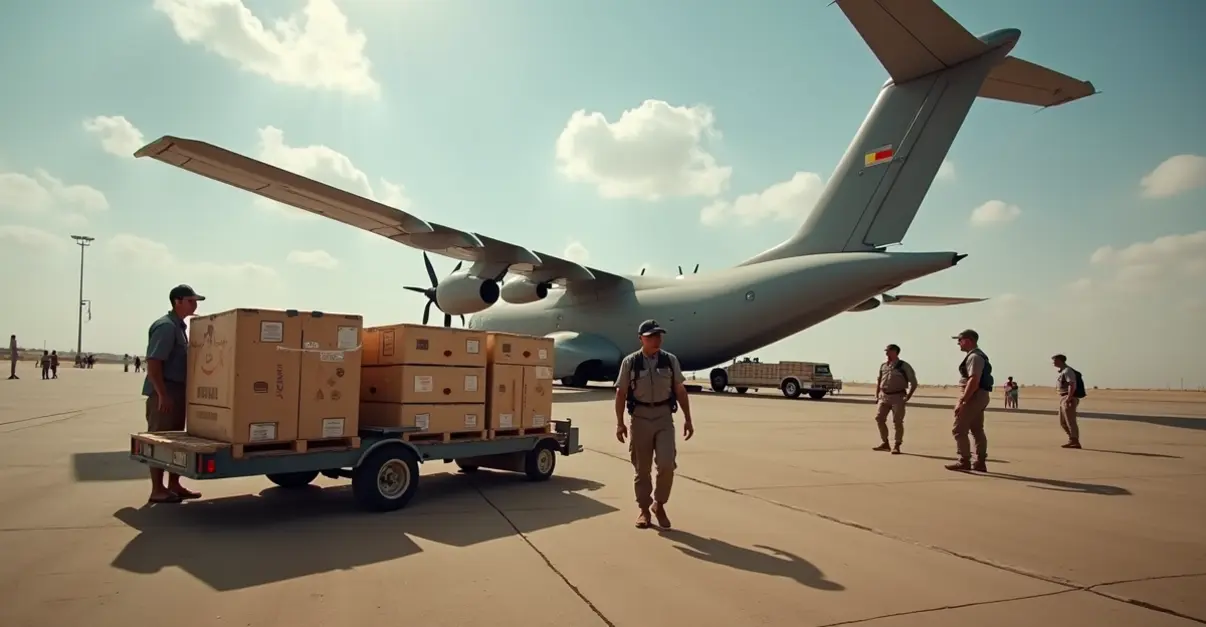
As 2025 draws to a close, the U.S. Department of Defense's longest-running humanitarian mission, Operation Christmas Drop, has completed its 74th iteration, delivering approximately 82,000 pounds of supplies to 56,000 people across 59 remote Pacific islands. This annual tradition, which began in 1952 when an Air Force B-29 crew spotted islanders waving near Guam and dropped supplies as an act of goodwill, has evolved into a sophisticated multinational operation with far-reaching implications for policy, markets, and isolated communities.
Multinational Cooperation and Strategic Training
The 2025 operation, launched with a traditional 'push ceremony' at Andersen Air Force Base in Guam on December 5, involved unprecedented multinational participation. U.S. Air Force personnel worked alongside allies including Japan, Philippines, Australia, Canada, and South Korea, with the mission led by the 374th Airlift Wing from Yokota Air Base, Japan. 'This operation enhances interoperability for future humanitarian and disaster relief efforts while demonstrating regional security cooperation,' explained a U.S. Pacific Air Forces spokesperson. The mission delivered 270 bundles containing food, tools, fishing gear, school supplies, and gifts across approximately 1.8 million square miles of airspace in the Federated States of Micronesia and the Republic of Palau.
Beyond humanitarian aid, the operation serves as valuable training for participating aircrews in low-level flight, precision-airdrop, and logistical coordination skills that enhance readiness for rapid global airlift missions across the Indo-Pacific region. The mission is classified as a Low Cost Low Altitude (LCLA) airdrop, using existing resources and repurposed personnel parachutes to build supply bundles economically.
Geopolitical Implications and Policy Shifts
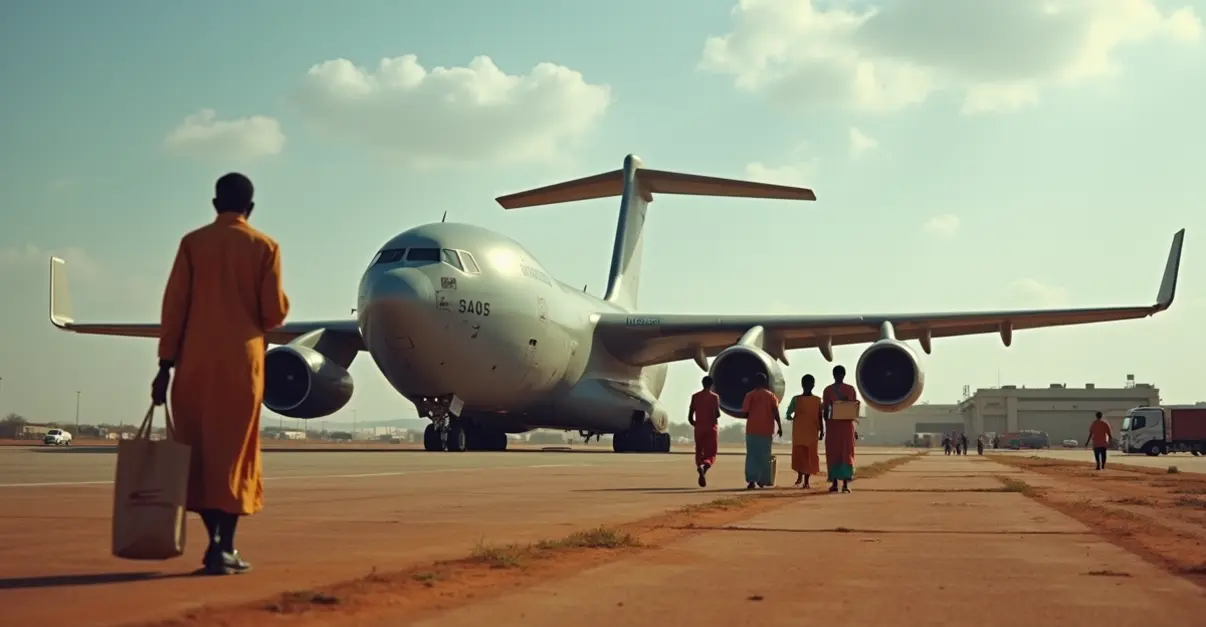
Humanitarian airlift operations in 2025 have revealed complex geopolitical dynamics. In December 2025, the U.S. Air Force conducted a significant humanitarian operation at Jaffna International Airport in Sri Lanka's Northern Province, delivering critical aid to communities affected by Cyclone Ditwah. This mission involved C-130J Super Hercules aircraft and a 60-member relief team delivering temporary shelters, food, water, sanitation kits, and medical supplies. 'This operation marked the first U.S. military presence at Jaffna airport since its post-war reopening and represented a departure from historically discreet U.S. disaster assistance in Sri Lanka,' noted regional analyst Dr. Anjali Sharma.
The event has complex geopolitical implications, particularly concerning India's strategic interests in the region, as India has historically insisted that Sri Lankan territory should not be used for activities threatening Indian security. The operation also symbolizes increased international engagement in a region long marginalized by Sri Lanka's central government, raising questions about future Tamil engagement with international actors.
Economic Impact and Market Considerations
The economics of humanitarian airlifts present stark contrasts. While Operation Christmas Drop represents efficient use of military training resources for humanitarian purposes, other operations highlight cost disparities. Airdropping humanitarian aid into Gaza amid Israel's blockade costs approximately $16,000 per ton versus $180 per ton by truck, according to a Los Angeles Times report. Despite multinational efforts involving Jordanian, German, Belgian, Dutch, UAE, and Singaporean forces preparing 79 tons of food supplies, the process remains dangerous for both crews and recipients, with reports of civilians being injured by falling aid pallets.
The Mitchell Institute's December 2025 policy paper on mobility and airlift fleets underscores the strategic importance of maintaining airlift capacity for both military and humanitarian purposes. These operations create economic ripple effects, from local procurement of supplies to maintenance contracts for aircraft, while also influencing defense budgeting and international aid allocations.
Community Impact and Future Outlook
For remote Pacific communities, Operation Christmas Drop represents more than material assistance. Air crews communicate with target villages through ham radio, creating personal connections across vast distances. Each 400-pound bundle dropped from C-130 aircraft contains items specifically requested by communities, including fishing nets, construction materials, powdered milk, canned goods, rice, coolers, clothing, shoes, toys and school supplies. Containers are dropped in water just off beaches to avoid hitting locals.
The Pacific Airlift Rally 25, which began in Ulaanbaatar, Mongolia on May 5, 2025, represents another dimension of humanitarian airlift training. This multinational exercise brought together military and civilian agencies from across the Indo-Pacific region, focusing on humanitarian assistance and disaster response (HA/DR) training. Participants included Bangladesh, Canada, Indonesia, Japan, Papua New Guinea, Philippines, Malaysia, Singapore, Sri Lanka, Timor-Leste, Tonga, and the United States.
'These operations demonstrate how humanitarian missions can serve dual purposes - delivering critical aid while building essential military capabilities and international partnerships,' said security analyst Mark Thompson. As climate change increases the frequency and intensity of natural disasters, and geopolitical tensions create new humanitarian crises, the role of strategic airlift capabilities will only grow in importance for global stability and community resilience.


Follow Discussion