


 Deutsch
 English
 Español
 Français
 Nederlands
 Português


 Share
Share




Revolutionizing Small-Scale Agriculture with Affordable Drone Technology
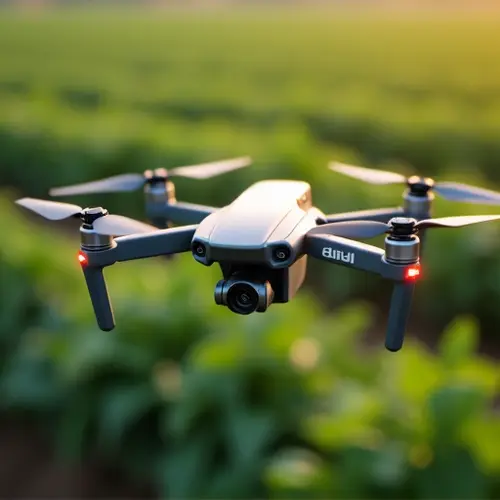
In 2025, autonomous farming drones are transforming agriculture for smallholders worldwide, offering affordable precision spraying and monitoring capabilities that were once exclusive to large commercial farms. These aerial platforms are democratizing access to advanced agricultural technology, enabling family farms and small-scale operations to compete more effectively in global markets.
Precision Technology for Every Farmer
Modern agricultural drones equipped with AI-powered systems can monitor up to 1,000 acres daily, providing early detection of crop stress, diseases, and nutrient deficiencies through multispectral imaging. 'We've seen smallholders achieve 18% higher yields using drone technology that costs less than $2,000,' says agricultural technology expert Maria Rodriguez from the Food and Agriculture Organization. The technology enables precision spraying that reduces chemical usage by up to 30% while minimizing environmental impact.
Cost-Effective Solutions for Small Farms
Entry-level drones now available for under $2,000 make precision agriculture accessible to farmers with plots as small as 5 acres. These affordable systems include battery swappability, offline functionality for rural areas, and precision spray attachments for organic pesticides. 'The return on investment for smallholders is remarkable - many recover their initial costs within the first growing season,' notes drone agriculture specialist Dr. James Chen from Farmonaut.
Real-World Success Stories
Peruvian coffee growers have reduced crop losses by 25% through early pest detection using drone monitoring, while Vermont dairy farmers have improved pasture management through detailed aerial mapping. In Southeast Asia, rice farmers are using autonomous drones for precision fertilizer application, reducing input costs by 20-30%. 'These technologies are leveling the playing field for small farmers who couldn't previously afford such advanced tools,' explains smallholder advocate Sarah Johnson from MS Open.
Market Growth and Future Outlook
The autonomous agriculture drone market is projected to grow over 12.5% from 2025-2034, with over 200,000 units expected to be in use globally by the end of 2025. Enhanced battery technology is enabling longer flight times and greater coverage, while new features like solar-powered drones and voice-controlled interfaces in multiple languages are making the technology even more accessible. 'We're seeing a fundamental shift in how small-scale agriculture operates - drones are no longer luxury items but essential tools for sustainable farming,' states agricultural economist Professor Michael Thompson.
Environmental and Economic Benefits
Beyond productivity gains, autonomous drones contribute to environmental sustainability through reduced chemical runoff and more efficient resource use. Smallholders using drone technology report not only higher yields but also better market prices through improved crop quality and blockchain-enabled yield records that appeal to premium markets. The combination of cost savings, environmental benefits, and market advantages is creating a compelling case for widespread adoption among small-scale farmers globally.

Follow Discussion