


 Deutsch
 English
 Español
 Français
 Nederlands
 Português


 Share
Share




The Future of Farming is Here
Agricultural technology is undergoing a seismic shift as artificial intelligence and robotics transform traditional farming practices. Smart agriculture, once a futuristic concept, is now becoming mainstream with autonomous systems taking over critical crop management tasks.
Precision Agriculture Takes Center Stage
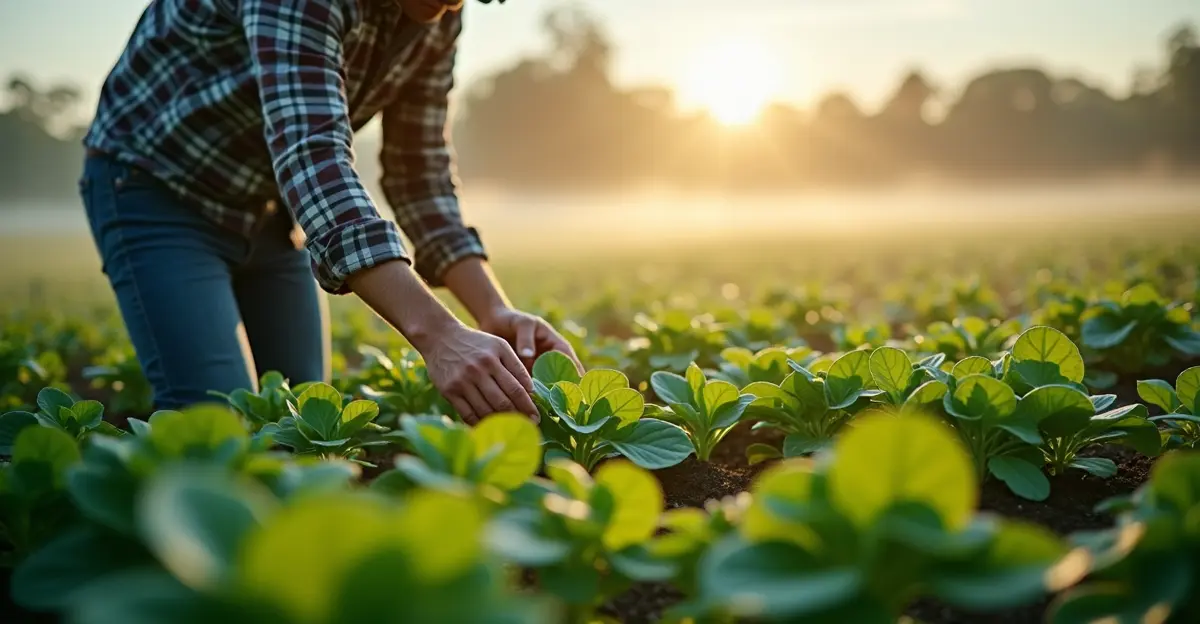
Precision agriculture represents the third wave of modern agricultural revolutions, building on mechanized farming and the Green Revolution. According to industry experts, "We're witnessing a fundamental transformation in how we grow food. AI-powered systems can now monitor individual plants, detect diseases early, and optimize resource usage with unprecedented accuracy."
Robotic Workforce Expansion
The agricultural robots market is expected to reach $11.58 billion by 2025, with applications ranging from harvesting and planting to weed control and environmental monitoring. These robots are designed with specialized end effectors for specific tasks, whether it's harvesting delicate fruits or precisely applying herbicides.
AI-Driven Decision Making
Modern AI systems analyze data from multiple sources including satellite imagery, drone footage, and ground sensors. This enables farmers to make data-driven decisions about irrigation, fertilization, and pest control. "The ability to process terabytes of agricultural data in real-time allows us to respond to crop needs instantly," explains a leading ag-tech researcher.
Autonomous Equipment Revolution
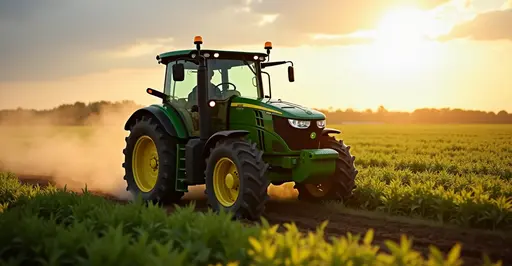
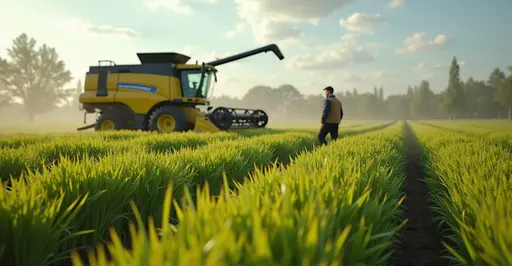
Major agricultural equipment manufacturers are rolling out fully autonomous tractors and harvesters that can operate 24/7 without human intervention. These machines use GPS guidance, computer vision, and machine learning to navigate fields and perform complex agricultural operations with millimeter precision.
Sustainability Benefits
Smart agriculture technologies are helping address environmental concerns by reducing chemical usage, optimizing water consumption, and minimizing soil compaction. Precision application systems can reduce fertilizer use by up to 30% while maintaining or improving crop yields.
Challenges and Future Outlook
Despite the rapid advancements, challenges remain including high initial costs, technical complexity, and the need for reliable connectivity in rural areas. However, as technology costs decrease and capabilities improve, smart agriculture is poised to become the standard rather than the exception in modern farming.

Follow Discussion