


 Deutsch
 English
 Español
 Français
 Nederlands
 Português


 Share
Share




Dutch Cruise Ship Hondius Docks in Tenerife Amid Deadly Hantavirus Outbreak
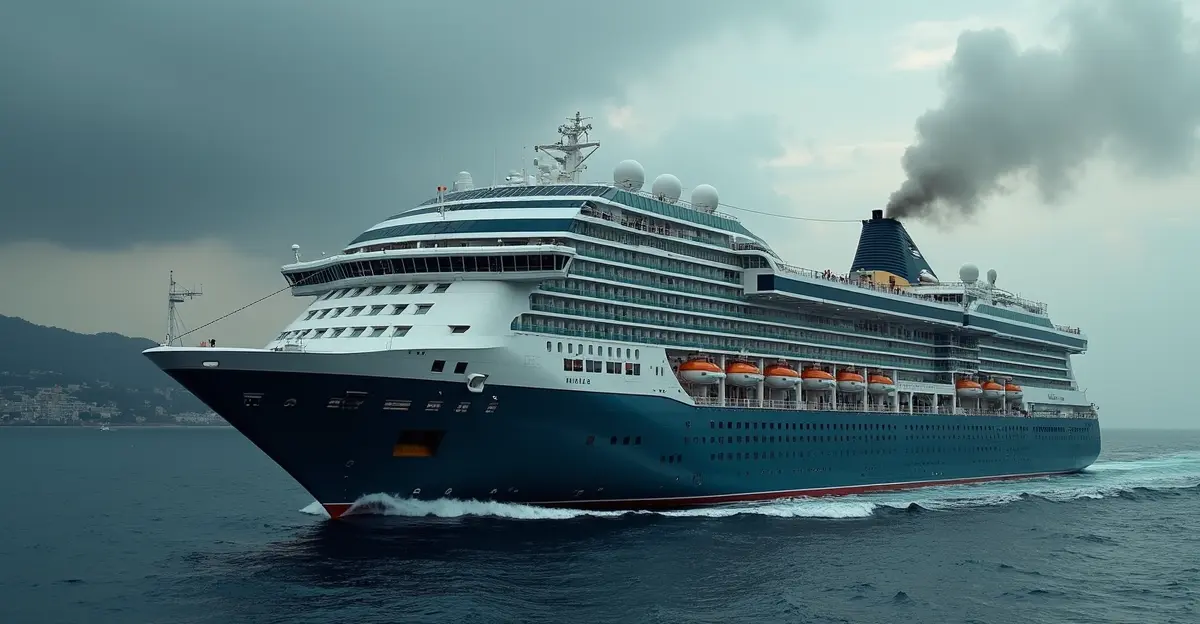
The Dutch cruise ship MV Hondius arrived at the port of Granadilla de Abona on Tenerife early on May 10, 2026, following a rare and deadly outbreak of Andes hantavirus that has claimed three lives and sickened at least eight people among passengers and crew. The ship, carrying 147 passengers and crew from 23 countries, had been sailing under quarantine since the outbreak was first detected in late April. The arrival marks the beginning of a carefully coordinated multinational evacuation operation involving the Netherlands, Spain, the United States, Germany, France, Belgium, Ireland, and other affected nations.
Background: How the Outbreak Unfolded
The MV Hondius departed Ushuaia, Argentina, on April 1, 2026, for a planned cruise through the South Atlantic. On April 11, a 70-year-old Dutch passenger died from what was later confirmed as hantavirus pulmonary syndrome (HPS) caused by Andes virus. His widow also succumbed to the disease, along with a German national, bringing the death toll to three as of May 9. The World Health Organization (WHO) and the European Centre for Disease Prevention and Control (ECDC) were notified on May 2. The virus was identified as Andes hantavirus (ANDV), the only hantavirus known to be capable of person-to-person transmission, typically requiring close, prolonged contact in enclosed spaces.
The Andes hantavirus transmission risks are particularly concerning because unlike most hantaviruses that spread only through rodent droppings, urine, or saliva, ANDV can pass between humans. According to the U.S. Centers for Disease Control and Prevention (CDC), early symptoms include fatigue, fever, muscle aches, headaches, dizziness, chills, and abdominal issues, appearing 4 to 42 days after exposure. There is no specific antiviral treatment or vaccine; supportive care, including oxygen therapy and mechanical ventilation, is critical.
Arrival and Evacuation Operations at Tenerife
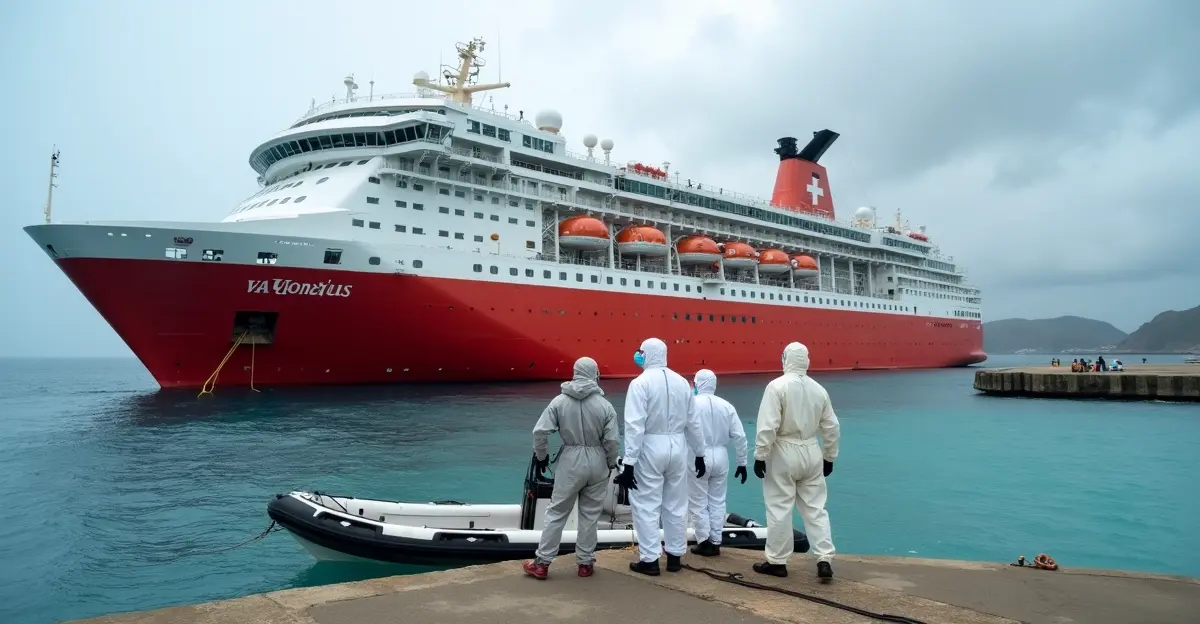
Local authorities in the Canary Islands initially attempted to block the ship's docking, leading to a conflict with Spain's central government, which ultimately intervened and ordered the port to accept the vessel. The Hondius anchored offshore, and medical teams in hazmat suits boarded the ship to test all passengers for the virus. None of the passengers currently show symptoms, but all are being treated as high-risk contacts as a precaution.
Passengers are being evacuated in small groups by nationality. They are transported by small boats to the shore, where buses await to take them to Tenerife South Airport. There, charter flights organized by individual countries will repatriate them. Seventeen asymptomatic American passengers will be flown on a U.S. government medical repatriation flight to Offutt Air Force Base in Omaha, Nebraska, and then transported to the National Quarantine Center at the University of Nebraska Medical Center. Spanish passengers will be taken to a military hospital for observation. Dutch passengers are expected to fly to Eindhoven, where they will undergo a six-week home quarantine, according to the Dutch Ministry of Foreign Affairs.
The Hondius cruise ship quarantine protocols have been stringent: passengers have been confined to their cabins, and crew members have been delivering meals and medical supplies while wearing full protective equipment. The ship itself will later sail to Rotterdam, the Netherlands, for a thorough disinfection.
Global Public Health Response
The CDC has classified this outbreak as a 'Level 3' emergency response and deployed epidemiologists to the Canary Islands to conduct exposure risk assessments for each passenger. An additional CDC team will support returning passengers at Offutt Air Force Base. The ECDC has published rapid scientific advice and guidance documents for managing passengers, updated daily as of 14:00 on the publication date.
Health authorities in multiple U.S. states — including Arizona, California, Georgia, New Jersey, Texas, and Virginia — are monitoring residents who were on the ship for symptoms. The WHO has emphasized that the epidemic risk to the general public remains very low, as Andes virus transmission requires close, prolonged contact and is not airborne in the same way as influenza or COVID-19.
Dr. Maria Van Kerkhove, WHO infectious disease epidemiologist, stated: 'The risk of widespread transmission remains low, but we must remain vigilant. Contact tracing is ongoing across multiple continents.'
What Is Andes Hantavirus?
Andes virus is a New World hantavirus that causes hantavirus pulmonary syndrome (HPS), a severe respiratory disease with a case fatality rate of 30–60%. It is naturally found in rodents in South America, primarily the long-tailed pygmy rice rat. The incubation period ranges from 2 to 6 weeks. Unlike other hantaviruses, Andes virus can spread person-to-person through direct physical contact, prolonged time in enclosed spaces, or exposure to body fluids. The virus was first identified in 1995 in Argentina and has caused sporadic outbreaks in South America, but this is the first documented outbreak on a cruise ship.
The hantavirus prevention and safety measures recommended by the CDC include avoiding rodent-infested areas, frequent hand washing, avoiding sharing drinks or utensils, and maintaining distance from infected individuals. There is no vaccine currently available.
Impact and Implications for the Cruise Industry
The outbreak has raised serious questions about disease surveillance and containment protocols on cruise ships, which operate as closed environments where infections can spread rapidly. The MV Hondius incident is unprecedented for hantavirus, which has never before been associated with a cruise ship outbreak. The global cruise industry, still recovering from the COVID-19 pandemic, now faces new scrutiny over its ability to manage rare but deadly pathogens.
Passengers who disembarked at earlier stops — including 30 at Saint Helena and others at Cape Verde — are being contact-traced by local health authorities. The WHO is coordinating the global tracing effort, which spans at least five continents.
Frequently Asked Questions
What is hantavirus?
Hantavirus is a genus of viruses transmitted primarily by rodents, causing two main diseases in humans: hemorrhagic fever with renal syndrome (HFRS) and hantavirus pulmonary syndrome (HPS). Andes virus, responsible for this outbreak, causes HPS.
How does Andes hantavirus spread?
Andes virus is the only hantavirus known to spread person-to-person, typically through close, prolonged contact such as sharing a cabin or direct physical contact. It can also spread through aerosolized rodent excreta.
What are the symptoms of hantavirus infection?
Early symptoms include fatigue, fever, muscle aches, headaches, dizziness, chills, and abdominal issues. Within days, the disease can progress to severe respiratory distress as fluid fills the lungs, requiring mechanical ventilation.
Is there a treatment or vaccine?
There is no specific antiviral treatment or vaccine for hantavirus. Care is supportive, focusing on oxygen therapy, mechanical ventilation, and management of complications. Early medical intervention is critical.
What is the risk to the general public?
International health authorities, including the WHO, ECDC, and CDC, assess the risk to the general public as very low. The virus requires close, prolonged contact for transmission and is not easily spread in community settings.
Sources
This article is based on reporting from NOS, CNN, The New York Times, the Associated Press, the U.S. Centers for Disease Control and Prevention (CDC), the European Centre for Disease Prevention and Control (ECDC), the World Health Organization (WHO), USA Today, and Wikipedia.



Follow Discussion