


 Deutsch
 English
 Español
 Français
 Nederlands
 Português


 Share
Share




Deadly Hantavirus Cluster Strikes Dutch-Flagged Expedition Ship
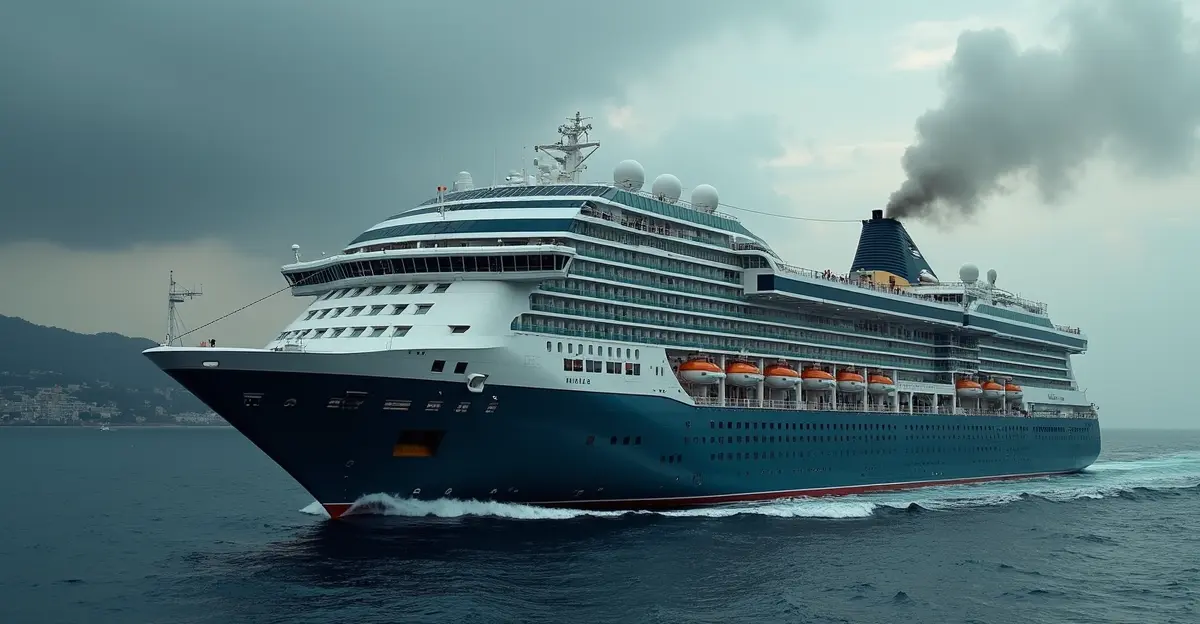
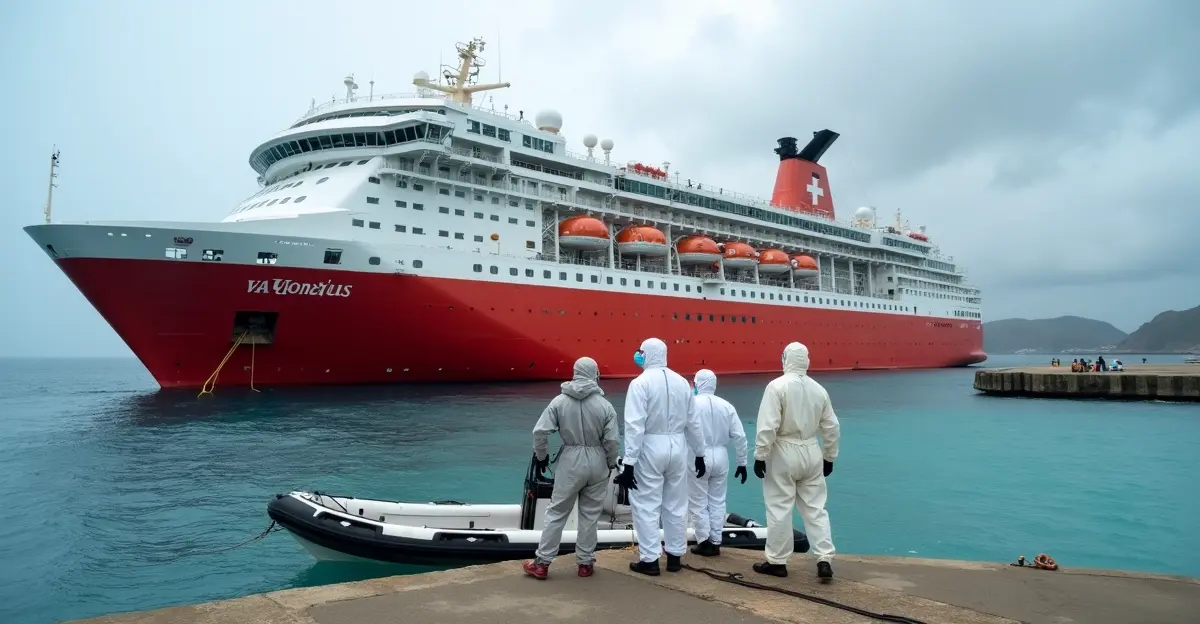
A rare and deadly hantavirus outbreak has struck the MV Hondius, a Dutch-flagged expedition cruise ship operated by Oceanwide Expeditions, leaving three people dead and several others critically ill. The World Health Organization (WHO) was notified on May 2, 2026, and has since coordinated an international health response as the vessel remains off the coast of Cape Verde in the Atlantic Ocean. As of May 5, 2026, health officials report seven cases — two laboratory-confirmed and five suspected — among the 147 passengers and crew representing 23 nationalities.
The outbreak underscores the persistent threat of zoonotic diseases in travel and expedition settings, particularly in remote regions where medical evacuation is challenging. The incident has drawn global attention to hantavirus, a rodent-borne pathogen that can cause severe respiratory and renal failure.
Timeline and Casualties
The ship departed Ushuaia, Argentina on April 1, 2026, traveling across the South Atlantic via Antarctica and remote islands before reaching the waters near Cape Verde. The first victim, a 70-year-old Dutch man, died on April 11. His 69-year-old wife later collapsed at an airport in South Africa and died on April 26; she tested positive for hantavirus. A German woman died on May 2. A British national remains in intensive care in critical condition. Three other individuals with symptoms remain aboard the ship, awaiting medical evacuation.
The WHO has activated a coordinated response involving Cabo Verde, the Netherlands, South Africa, Spain, and the United Kingdom. The global health body assesses the risk to the general population as low, but warns that hantavirus pulmonary syndrome (HPS) carries a case fatality rate of 30–60%.
What Is Hantavirus?
Hantaviruses are a genus of viruses (Orthohantavirus) primarily carried by rodents. Humans typically contract the virus through inhalation of aerosolized rodent urine, droppings, or saliva, or through contaminated food, bites, or scratches. The virus does not spread from person to person, except in rare cases of the Andes virus strain found in South America.
Two main clinical syndromes exist: hemorrhagic fever with renal syndrome (HFRS), common in Europe and Asia, and hantavirus pulmonary syndrome (HPS), more frequent in the Americas. Symptoms begin with fever, fatigue, and muscle aches, progressing rapidly to coughing, shortness of breath, and respiratory distress. In severe cases, the lungs fill with fluid, leading to shock and death within days.
The incubation period ranges from one to eight weeks. Early diagnosis is difficult because symptoms mimic influenza. There is no specific antiviral treatment; care focuses on supportive measures including oxygen therapy, mechanical ventilation, and dialysis for kidney failure.
International Response Underway
WHO Director-General Dr. Tedros Adhanom Ghebreyesus stated: We are working closely with all affected countries to ensure the patients receive the best possible care and to prevent further spread. The global risk remains low, but we must remain vigilant.
The UN World Health Organization has issued a Disease Outbreak News notice, coordinating medical evacuations and conducting a comprehensive risk assessment. The global health emergency response framework is being activated to manage the logistics of moving critically ill patients across international borders while containing any potential secondary transmission.
Oceanwide Expeditions, the ship's operator, has suspended further voyages pending investigation. The company is cooperating fully with health authorities to trace the source of the outbreak, which likely originated from rodent exposure during the ship's South American itinerary before crossing to Antarctica.
Broader Context: Global Health Security Challenges
The hantavirus outbreak comes amid a wider pattern of emerging infectious disease threats in 2026. Experts point to climate change, deforestation, and increasing human mobility as factors driving zoonotic spillover events. The emerging infectious disease trends 2026 highlight that travel-related clusters are becoming more frequent, testing the capacity of international health regulations.
Meanwhile, the WHO continues to monitor other global health emergencies, including a hantavirus outbreak on a cruise ship in the Atlantic and the ongoing conflict-related health crises in Gaza and Lebanon. The agency has called for sustained funding for pandemic preparedness and response mechanisms.
FAQ: Hantavirus and Cruise Ship Safety
Can hantavirus spread between people?
Most hantaviruses do not spread from person to person. However, the Andes virus (found in South America) has shown limited human-to-human transmission. The current outbreak is being investigated for any such risk.
How can travelers protect themselves?
Avoid contact with rodents and their droppings. On ships, ensure proper pest control. If you develop fever, muscle aches, or respiratory symptoms within six weeks of travel to affected areas, seek medical attention immediately and mention your travel history.
What is the treatment for hantavirus?
There is no specific antiviral treatment. Care is supportive: oxygen, mechanical ventilation for respiratory failure, and dialysis for kidney failure. Early hospitalization improves survival chances.
Is it safe to travel on cruise ships?
Yes. The WHO assesses the global risk as low. This is an isolated outbreak on a specific expedition vessel. Standard cruise ships with proper sanitation and pest control pose minimal risk. Travelers should check health advisories before booking trips to remote regions.
What is the case fatality rate?
Hantavirus pulmonary syndrome (HPS) has a case fatality rate of 30–60%. Hemorrhagic fever with renal syndrome (HFRS) ranges from less than 1% to 15%, depending on the virus strain.
Sources
World Health Organization (WHO) Disease Outbreak News, May 2026; ABC News; CBS News; Global Issues News; UN News; TechRepublic.




Follow Discussion