


 Deutsch
 English
 Español
 Français
 Nederlands
 Português


 Share
Share




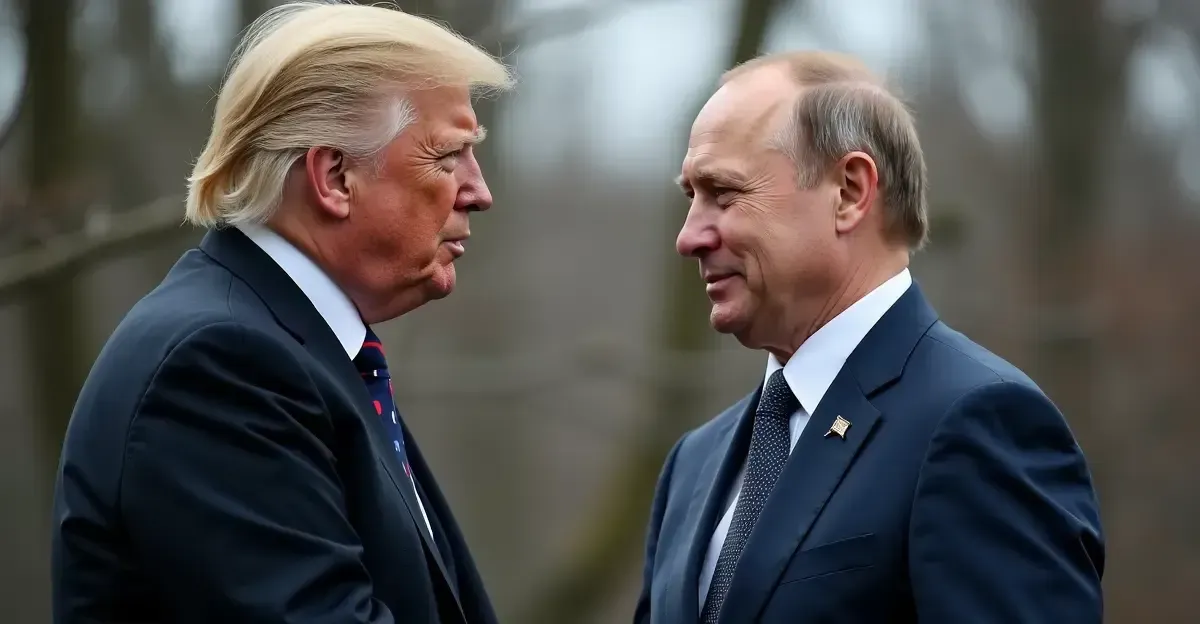
President Donald Trump announced a landmark deal with Russian President Vladimir Putin to import millions of tonnes of Russian diesel, a move he says will slash record US fuel prices but which Ukrainian President Volodymyr Zelenskyy has branded "absolutely terrible" and an "investment in war." The Trump Russian diesel deal, revealed on 9 October 2026, suspends US sanctions on Russian diesel exports until 7 April 2027 and upends nearly three years of Western economic pressure on the Kremlin over its full-scale invasion of Ukraine.
What is the Trump-Russia diesel deal?
Under the agreement, Russia will ship 300,000 metric tonnes of diesel immediately, followed by 500,000 tonnes in November and a further one million tonnes thereafter, with an option for three million additional tonnes depending on refinery conditions. The US Treasury has suspended sanctions on Russian diesel exports until 7 April 2027. Trump framed the move as essential to tame inflation ahead of November's midterm elections, where 84% of voters cite the economy as "very important." BBC News reported that the deal includes a total of up to 4.8 million tonnes of diesel. The decision reverses years of coordinated Western pressure on Moscow and directly undercuts the EU sanctions on Russia that were designed to starve the Kremlin of energy revenue.
Why did Zelenskyy call the deal "absolutely terrible"?
Zelenskyy reacted with fury, calling the deal "absolutely terrible," "not fair and not honest," and a "happy birthday present" for Putin. He warned that it would let Russia "kill more, wage war for longer." The Ukrainian leader said the deal is an investment in a war that must be ended, not prolonged. His remarks underscore the deepening rift between Washington and Kyiv, as Ukraine relies on Western sanctions pressure to weaken Russia's war machine. Zelenskyy war strategy and aid analysts note that Ukraine's ability to resist depends on economic isolation of Russia, not trade with it.
A gift to Putin?
Zelenskyy's "happy birthday" jab referred to Putin's birthday on 7 October. The deal, announced two days later, was seen in Kyiv as a direct reward to the Russian leader. The Guardian quoted Zelenskyy saying the agreement would allow Russia to "kill more, wage war for longer." The Ukrainian president's anger reflects a broader fear that Washington is abandoning the Western coalition at a critical moment.
Domestic politics: fuel prices and the midterms
Diesel hit a record $6.5276 per gallon in late September after Iran closed the Strait of Hormuz, squeezing US consumers and threatening Trump's approval ratings. With midterm elections next month, the president is betting that cheaper diesel will resonate with voters. According to CNBC, 84% of voters cite the economy as "very important." However, analysts caution that announced shipments differ from delivered supply and that the volumes are too small to move national prices. 2026 US midterm elections will be the first test of whether voters reward the deal or punish the geopolitical fallout.
Analysts question whether the deal will work
Jefferies analyst Mohit Kumar says volumes are too small to matter; Lombard Odier warns announced shipments differ from delivered supply; former IEA official Neil Atkinson calls Russia's supply source a "mystery," noting the US uses 3.7 million barrels daily. Quantum Strategy expects the deal to "fail economically" and embolden Putin. global oil market dynamics show that the US imports most of its diesel from Canada and Latin America, making Russian supply logistically awkward and politically explosive.
Global fallout: NATO allies and sanctions
European allies, including EU foreign affairs chief Kaja Kallas and the UK, criticized the move for funding Moscow's war machine and vowed to maintain pressure on Russia. The deal directly undercuts Western sanctions and threatens to deepen the rift between Washington and Europe. NATO unity and Ukraine support is already strained by Trump's transactional approach to alliances. Both Democrats (Schumer, Shaheen, Warren) and some Republicans criticized the deal for undercutting recent sanctions legislation. The move creates a fresh crisis with Kyiv and NATO allies at a time when unity is most needed.
FAQ: Trump Russian diesel deal
What did Trump announce about Russian diesel?
Trump announced a deal with Putin to import 300,000 tonnes immediately, 500,000 tonnes in November, and up to 3 million more, suspending sanctions until 7 April 2027.
Why is Zelenskyy angry?
He called it "absolutely terrible" and an investment in war that will let Russia "kill more, wage war for longer."
Will the deal lower US fuel prices?
Analysts doubt it, saying volumes are too small and the supply source is unclear.
How does this affect NATO allies?
It undermines Western sanctions and deepens the rift with Europe, as allies vow to maintain pressure on Russia.
When are the US midterms?
Next month, November 2026, and 84% of voters say the economy is very important.
Conclusion
The Trump Russian diesel deal marks a sharp reversal of US policy and a geopolitical gamble ahead of the midterms. Its economic benefits remain unproven, while the diplomatic cost to the Western alliance is immediate and severe. As Zelenskyy put it, the deal is "not fair and not honest" — a sentiment likely to echo across Europe and Ukraine in the coming weeks.

Follow Discussion