


 Deutsch
 English
 Español
 Français
 Nederlands
 Português


 Share
Share




US Navy Secretary Confirms Suspension of Taiwan Weapons Package
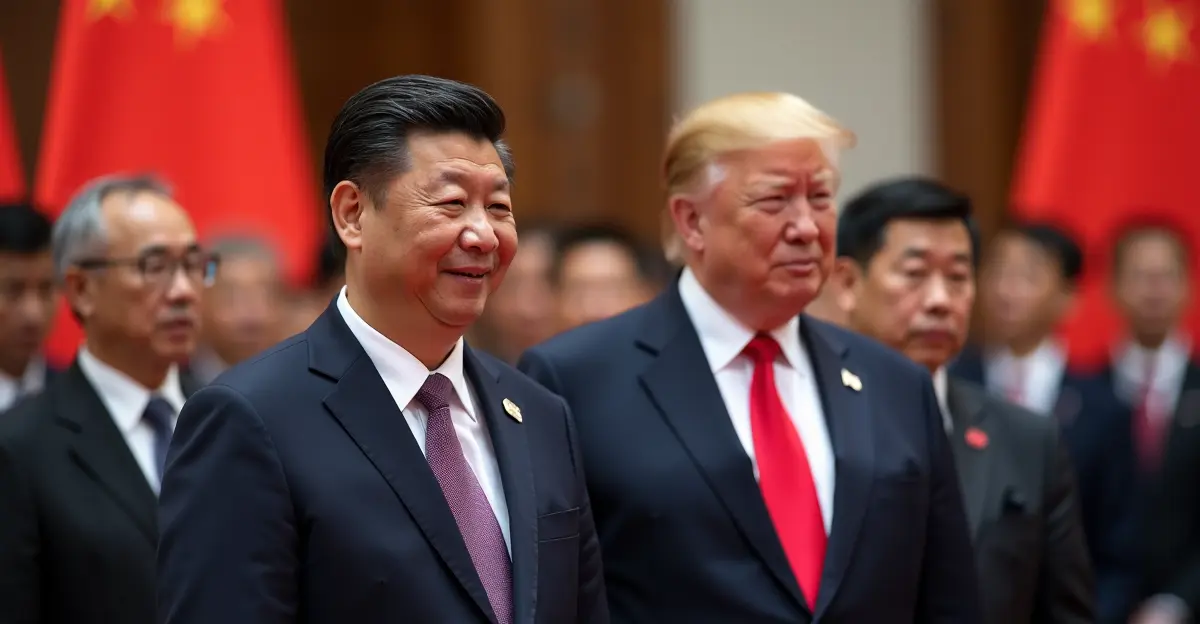
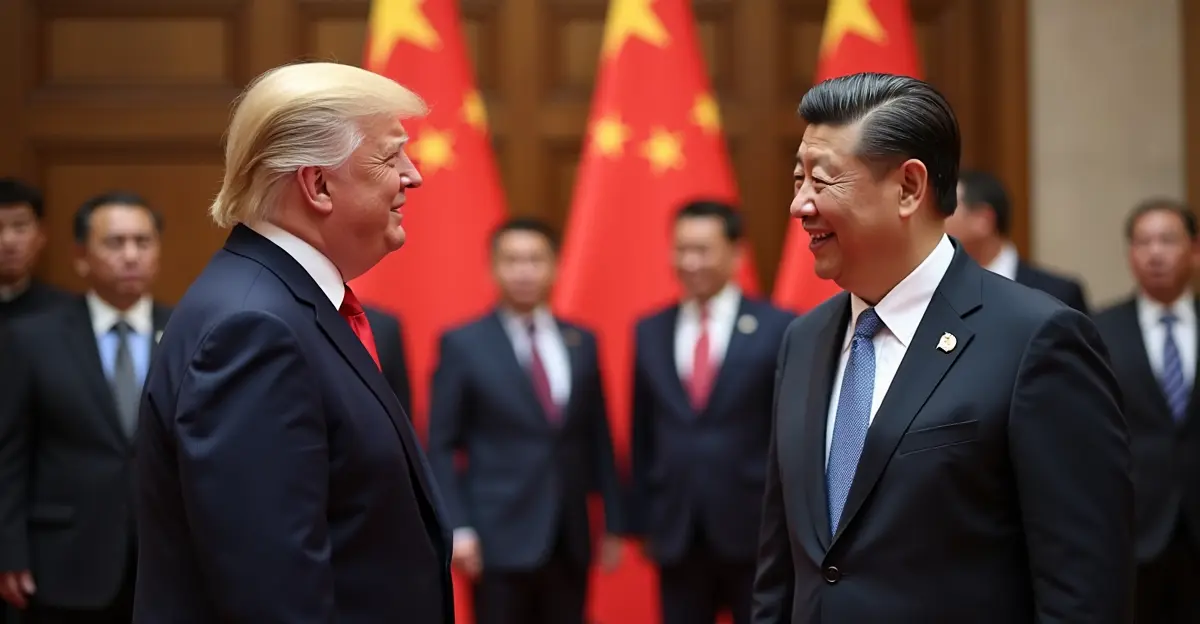
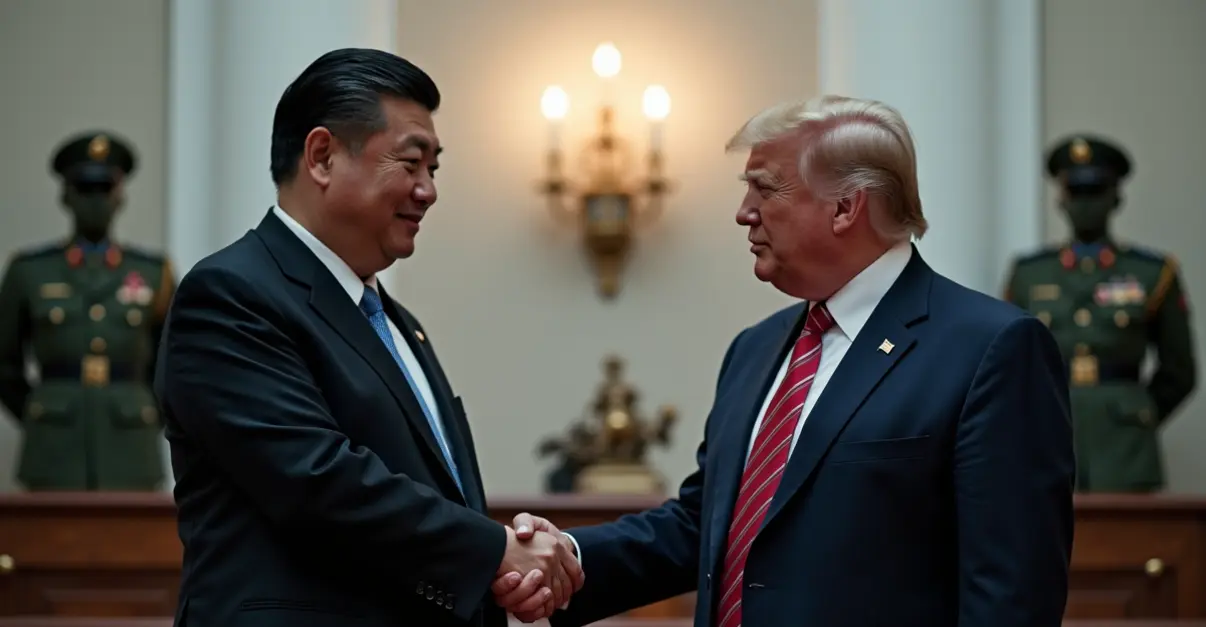
The United States has temporarily suspended a $14 billion arms sale to Taiwan to preserve critical munitions for ongoing military operations against Iran, Acting Navy Secretary Hung Cao confirmed during a Senate hearing on Thursday. The decision marks a significant shift in US policy toward Taiwan and comes just days after President Donald Trump's summit with Chinese leader Xi Jinping in Beijing, where the Taiwan issue was a central topic of discussion.
According to Cao, the pause is necessary to ensure sufficient weapons stockpiles for Operation Epic Fury, the US-led military campaign against Iran. 'The foreign military sales will resume when the administration deems it necessary,' Cao told senators, emphasizing that the suspension is temporary. The weapons package, which includes Patriot PAC-3 air defense missiles, F-16 Block 70 fighters, and other advanced munitions, has been awaiting President Trump's final approval since Congress authorized it in January 2026.
Context: Trump-Xi Summit and Taiwan's Role
The suspension follows President Trump's three-day state visit to China, his first since 2017. During the summit, Xi Jinping warned that mishandling the 'Taiwan question' could lead to 'clashes and even conflicts' between the two superpowers. Trump later described the arms package as 'a very good negotiating chip' with China, marking a departure from decades of US policy that treated Taiwan as a strategic ally rather than a bargaining tool.
Taiwan's presidential office stated it had not received formal notification of any changes to the arms sale. The island's leader, Lai Ching-te, has emphasized that US weapons deliveries are crucial for maintaining regional peace and stability. The Taiwan Relations Act of 1979 requires the United States to provide Taiwan with defensive arms, and any prolonged delay could undermine the credibility of US commitments in the Indo-Pacific.
Impact on US-Taiwan Relations
Historical Context of US Arms Sales to Taiwan
Since the establishment of the Taiwan Relations Act in 1979, the United States has conducted regular arms sales to Taiwan, viewing them as essential for the island's self-defense against potential Chinese aggression. The Reagan-era Six Assurances, which include commitments not to set a date for ending arms sales and not to consult China before making sales decisions, have guided US policy for decades. However, Trump's characterization of the weapons package as a 'negotiating chip' directly contradicts the second assurance, which states the US will not consult with the PRC on arms sales to Taiwan.
The Six Assurances to Taiwan have been reaffirmed by successive US administrations and partially codified in the National Defense Authorization Act for Fiscal Year 2021. The current pause has raised concerns among lawmakers, with top House Democrats urging Trump to reaffirm US commitments to Taiwan ahead of his Beijing visit.
Military and Strategic Implications
The $14 billion package includes some of the most advanced weapons systems in the US inventory. The delay means Taiwan will not receive critical air defense capabilities at a time when China continues to increase military pressure in the Taiwan Strait. Taiwan's undelivered defense backlog now exceeds $21.45 billion, according to defense analysts. The island has approved a $25 billion defense budget for 2026, but legislative gridlock over a proposed NT$1.25 trillion special defense budget has complicated procurement timelines.
The Iran conflict has placed enormous strain on US munitions stockpiles. Analysts estimate that Operation Epic Fury expended nearly 1,000 Tomahawk cruise missiles and up to 80% of THAAD interceptor inventories. The US military is prioritizing replenishment of these critical systems, leaving fewer weapons available for foreign military sales.
China's Response and Geopolitical Fallout
Beijing has long opposed US arms sales to Taiwan, viewing them as interference in China's internal affairs. The suspension is likely to be seen in Beijing as a victory for Chinese diplomacy. China's foreign ministry reiterated its consistent opposition to the sale, stating that Taiwan has been an inalienable part of China since ancient times.
China-correspondent Gabi Verberg noted: 'If the weapons deal indeed goes off the table, China will see it as a major victory. The US arms deliveries to Taiwan have been a thorn in Peking's side for decades.' The 2025 Taiwan defense budget debate highlighted deep divisions within Taiwan's own political landscape, with opposition parties pushing for reduced spending and stronger oversight.
The geopolitical implications extend beyond Taiwan. The US decision signals to allies in the Indo-Pacific that American security commitments may be subject to negotiation, particularly when US military resources are stretched thin by conflicts elsewhere. Japan, South Korea, and the Philippines are all watching closely, as the credibility of US extended deterrence hangs in the balance.
FAQ
Why did the US suspend the Taiwan arms sale?
The US suspended the $14 billion arms sale to Taiwan to preserve critical munitions needed for ongoing military operations against Iran, specifically Operation Epic Fury. Acting Navy Secretary Hung Cao confirmed the temporary pause during a Senate hearing.
What weapons are included in the delayed package?
The package includes Patriot PAC-3 air defense missiles, F-16 Block 70 fighter jets, AGM-154C glide bombs, MK-48 torpedoes, and other advanced munitions. It was approved by Congress in January 2026 but requires President Trump's signature to proceed.
How does this affect US-Taiwan relations?
The pause raises concerns about the reliability of US security commitments to Taiwan. It contradicts the Six Assurances, which state the US will not consult China on arms sales to Taiwan. Taiwan's undelivered defense backlog now exceeds $21.45 billion.
What was discussed during the Trump-Xi summit regarding Taiwan?
President Xi warned that mishandling the Taiwan issue could lead to 'clashes and even conflicts' between the US and China. Trump described the arms package as a 'very good negotiating chip,' signaling a potential policy shift from treating Taiwan as an ally to using it as a bargaining tool.
Will the arms sale resume?
Acting Navy Secretary Cao stated the suspension is temporary and that foreign military sales will resume when the administration deems it necessary. The final decision rests with the Secretary of Defense and Secretary of State, along with President Trump's approval.
Sources
- Reuters - US pauses $14bn Taiwan arms sale amid Iran war concerns
- BBC News - US pauses $14bn arms sale to Taiwan to preserve munitions for Iran
- Al Jazeera - US pausing $14bn arms sale to Taiwan due to Iran war, navy chief says
- The Guardian - US arms sales to Taiwan paused to ensure munitions for Iran operations
- Congressional Research Service - Six Assurances to Taiwan (IF11665)
- Global Taiwan Institute - How Taiwan fared during the Trump-Xi summit

Follow Discussion