


 Deutsch
 English
 Español
 Français
 Nederlands
 Português


 Share
Share




Taiwan’s Dominance in the Semiconductor Industry
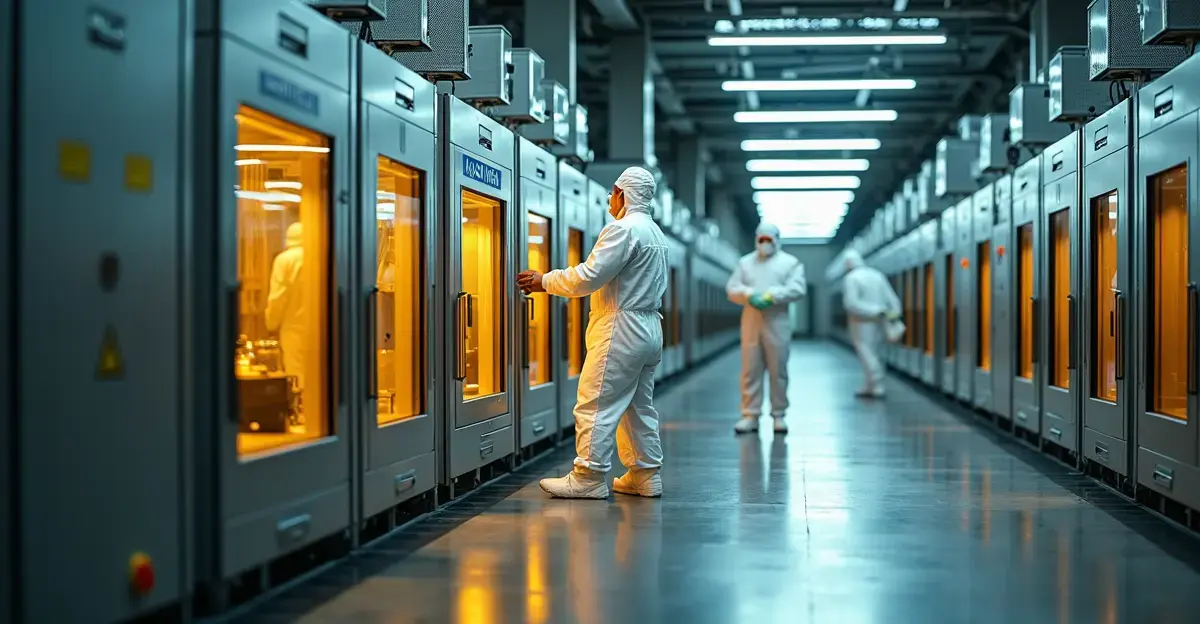
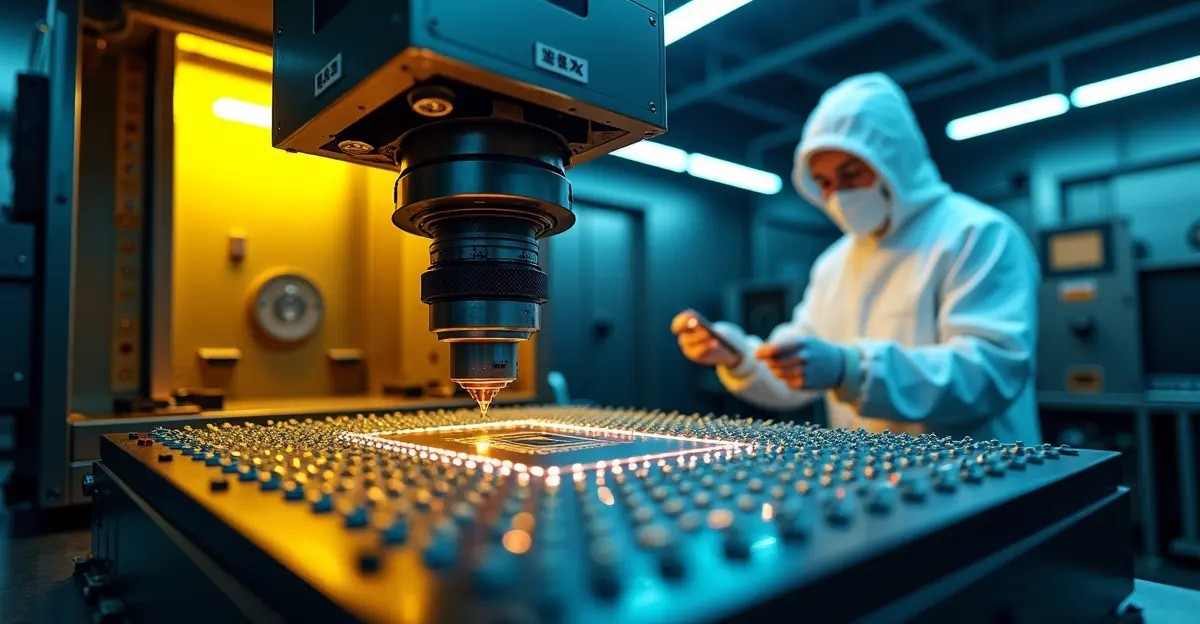
Taiwan has emerged as a global leader in semiconductor manufacturing, accounting for approximately 20% of the global semiconductor industry, valued at $115 billion. The island’s prowess in integrated circuit (IC) manufacturing, design, and packaging has positioned it as a critical player in the tech supply chain. Companies like Taiwan Semiconductor Manufacturing Company (TSMC) dominate the foundry market, producing over half of the world’s advanced chips for giants like Apple and Nvidia.
Historical Foundations
The roots of Taiwan’s semiconductor industry trace back to the 1970s, when policy shifts under technocrats like Li Kwoh-ting transitioned the economy from low-tech manufacturing to high-tech industries. The 1976 RCA Project marked a turning point, facilitating technology transfer from the U.S. and leading to Taiwan’s first IC plant. The establishment of TSMC in 1987 by Morris Chang revolutionized the industry with its fabless foundry model, further solidifying Taiwan’s global standing.
Geopolitical Flashpoint
Taiwan’s semiconductor industry has become a focal point in U.S.-China tensions. China’s industrial espionage campaigns targeting Taiwan’s chip sector have prompted stricter cybersecurity measures and investment laws. Meanwhile, Taiwan has strengthened ties with the U.S., exemplified by TSMC’s $65 billion investment in Arizona, supported by the CHIPS and Science Act. Recent comments by former U.S. President Donald Trump about imposing tariffs on Taiwan’s semiconductor exports have raised concerns about the future of U.S.-Taiwan relations.
Future Challenges
As global demand for semiconductors grows, Taiwan faces the dual challenge of maintaining its technological edge while navigating geopolitical risks. The island’s ability to sustain its leadership will depend on innovation, talent retention, and strategic alliances.


Follow Discussion