


 Deutsch
 English
 Español
 Français
 Nederlands
 Português


 Share
Share




The Great Semiconductor Showdown
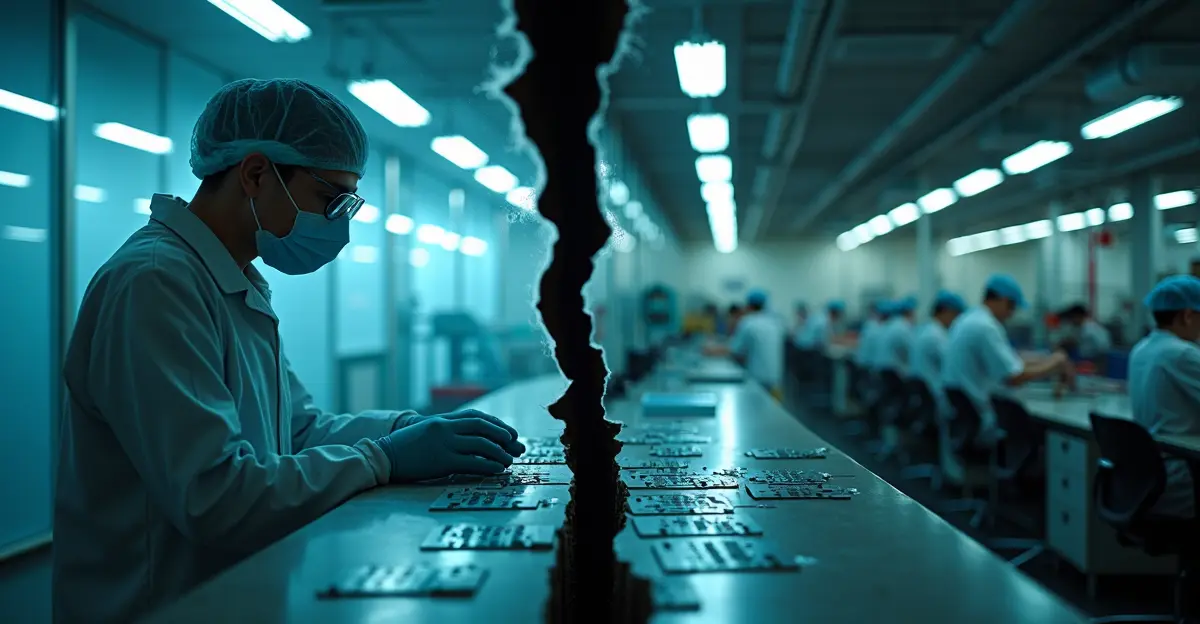
The U.S.-China chip war has escalated dramatically in 2025, becoming one of the most consequential economic and technological conflicts of our time. With both superpowers deploying massive investments, aggressive tariffs, and sweeping export controls, the battle for semiconductor supremacy is reshaping global supply chains and determining the future of technological innovation.
America's Manufacturing Renaissance
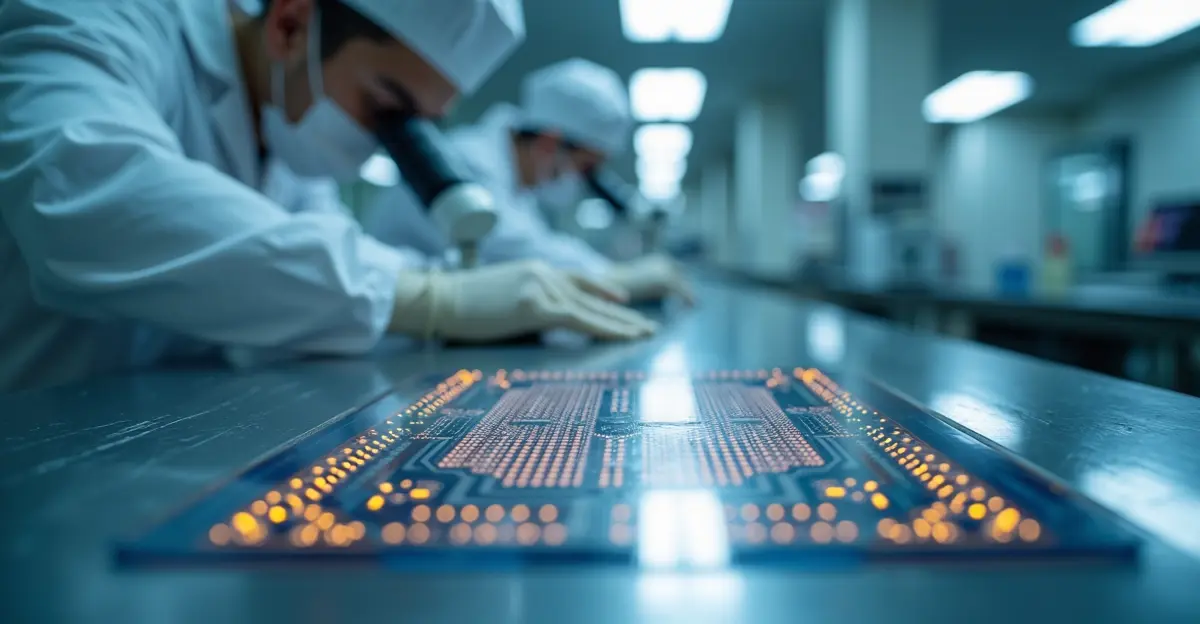
The United States is undergoing what experts call a 'strategic shift toward economic nationalism' to revitalize domestic semiconductor manufacturing. The cornerstone of this effort is the CHIPS and Science Act of 2022, which provides $280 billion in funding, including $52.7 billion in direct grants and a 25% investment tax credit. This has already spurred over $450 billion in private investment commitments across 28 states.
Major companies like Intel, TSMC, Samsung, and Micron are receiving billions in grants to build new fabrication plants in the US. 'The CHIPS Act serves as a carrot, while tariffs represent a more contentious stick,' notes industry analyst Mark Johnson. President Trump's proposed 100% tariffs on semiconductor imports come with a crucial exemption: companies building or committed to building in the United States face 'no charge.' This announcement triggered stock gains for major chip companies with significant U.S. investments.
China's Counter-Offensive
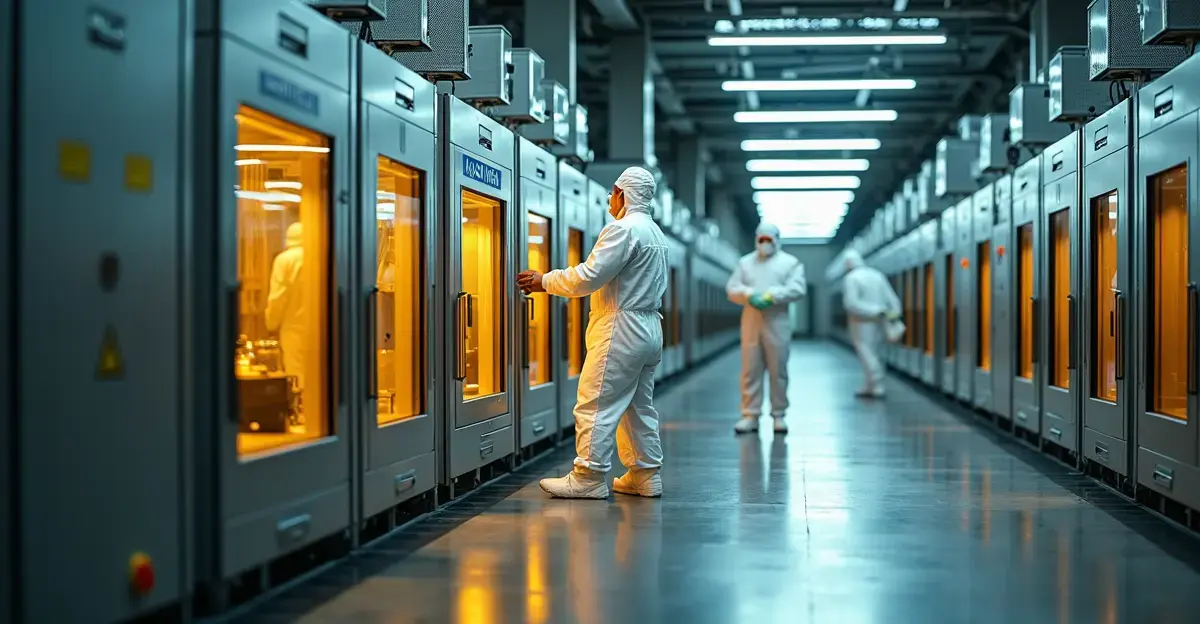
China is fighting back with its own massive investments and strategic maneuvers. Despite facing export controls from both the U.S. and Taiwan, China aims to produce 25% of world semiconductors by 2030. The country is projected to be one of the top spenders on semiconductor manufacturing equipment between 2025 and 2027, according to industry reports.
However, China faces significant challenges. Taiwan recently added China's tech giant Huawei and chipmaker Semiconductor Manufacturing International Corporation (SMIC) to its export control list, aligning with U.S. efforts to restrict Beijing's artificial intelligence and semiconductor ambitions. 'This makes Taiwan the second country after the U.S. to publicly place both Huawei and SMIC on an export control list,' explains trade policy expert Dr. Sarah Chen.
The Global Supply Chain Shakeup
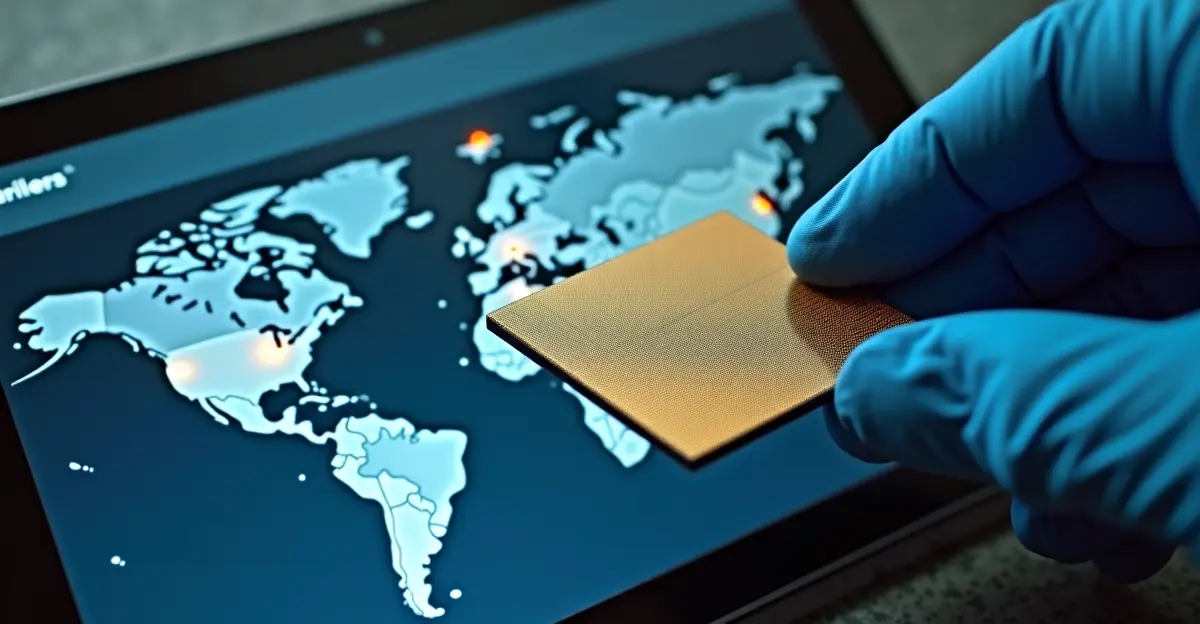
The semiconductor manufacturing landscape remains dominated by Asian countries, but the balance is shifting. Taiwan leads the world with TSMC producing roughly 50% of global semiconductors, while South Korea follows with Samsung Electronics as a major producer. The United States holds about 12% of global manufacturing capacity, but U.S.-based companies control 46.3% of total market share.
Advanced processes (≤16/14nm nodes) are concentrated in Taiwan (68% market share) and the U.S. (12%), while mature processes (28nm or larger) are more widely distributed, with China leading at 31% market share. 'The deeply integrated global supply chain makes rapid reshoring difficult,' observes manufacturing specialist James Wilson. 'Building high-tech chip factories takes years and requires specialized knowledge that Asia has developed over decades.'
Who's Winning?
As of 2025, the U.S. appears to be gaining ground in attracting manufacturing investment and developing domestic capacity. The CHIPS Act incentives have proven remarkably effective, with companies like TSMC pledging $165 billion in U.S. investments, including a $65 billion facility in Arizona. GlobalFoundries, Samsung, SK Hynix, Nvidia, and Apple have all announced massive U.S. spending plans.
China, meanwhile, is making progress in mature chip technology but continues to struggle with advanced semiconductor manufacturing due to export restrictions. Taiwan's alignment with U.S. policy has created additional barriers for Chinese companies seeking advanced chip technology.
The real winners might be the companies strategically positioned in both markets. TSMC's shares rose nearly 5% after pledging U.S. investments, demonstrating how companies can navigate the geopolitical tensions. Similarly, South Korean manufacturers are expanding in both the U.S. and China, hedging their bets in the ongoing conflict.
The Road Ahead
The chip war shows no signs of abating. Both nations recognize that semiconductor dominance is crucial for economic security, military advantage, and technological leadership. The U.S. continues to refine its approach, balancing incentives with restrictions, while China accelerates its push for self-sufficiency.
'This isn't just about chips—it's about who controls the foundational technology of the 21st century,' says geopolitical analyst Michael Rodriguez. 'The semiconductor conflict will shape global power dynamics for decades to come.'
As 2025 progresses, watch for further tariff announcements, additional export controls, and continued massive investments from both sides. The semiconductor industry, once a model of globalization, has become the central battlefield in the new cold war between the world's two largest economies.

Follow Discussion