


 Deutsch
 English
 Español
 Français
 Nederlands
 Português


 Share
Share




Xi Jinping Welcomes Donald Trump to Beijing with Fanfare and Firm Words
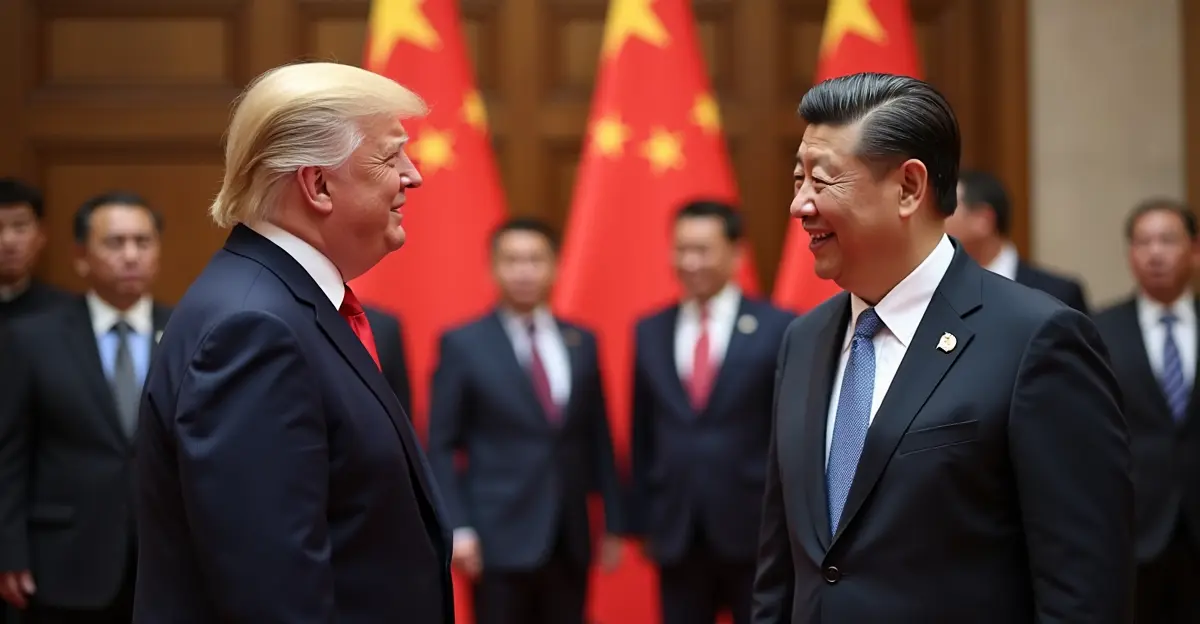
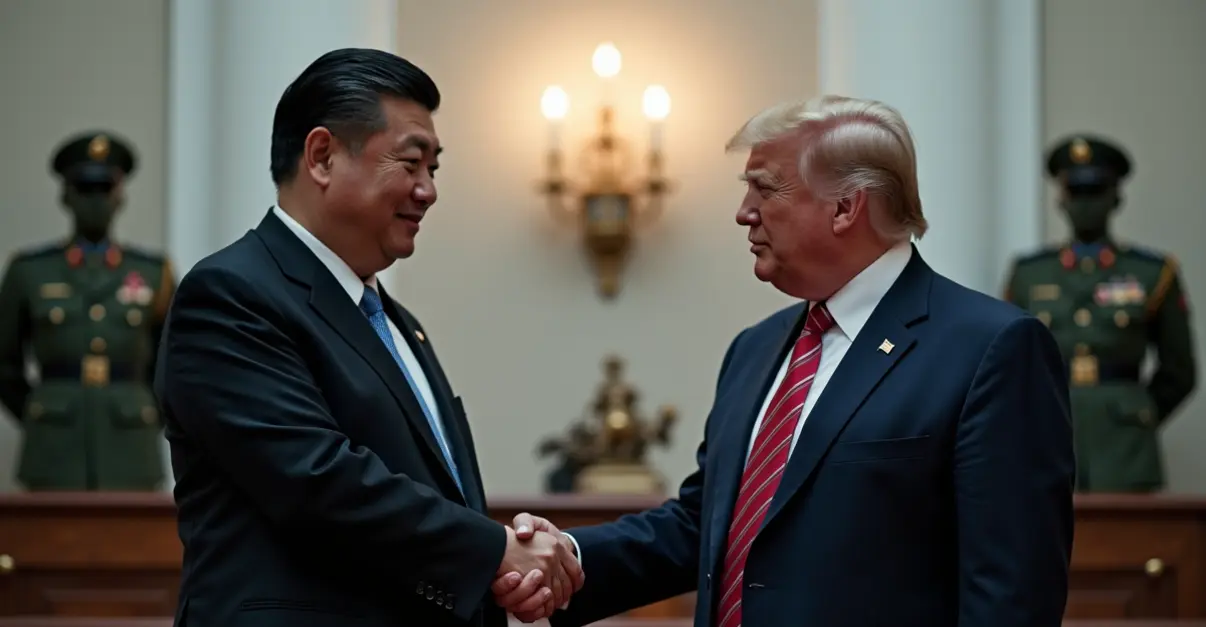
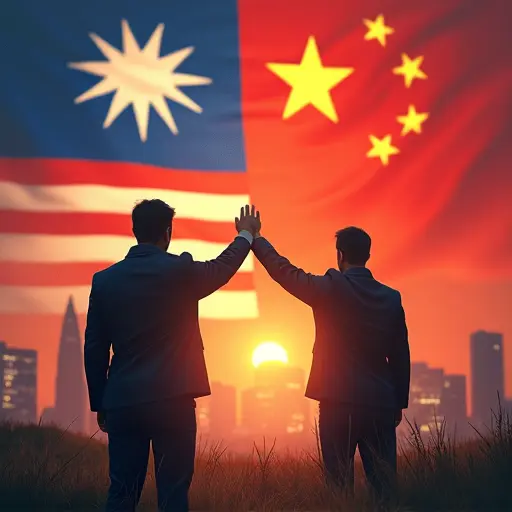
Chinese President Xi Jinping received US President Donald Trump with full state honors at the Great Hall of the People in Beijing on Thursday, but the warmth of the welcome was tempered by a sharp warning over Taiwan. The US-China trade tensions remain a key backdrop as the two leaders begin their first in-person talks since Trump returned to office.
The state visit, the first by a US president to China in nine years, opened with a military band, 21-gun salute, and children waving flags. Xi and Trump then held a private meeting lasting over two hours. In their joint press appearance, Trump called Xi 'a great leader' and predicted bilateral ties would become 'better than ever.' Xi responded by saying: 'We should be partners, not adversaries.'
Taiwan Takes Center Stage
The most sensitive issue during the visit was Taiwan. Beijing considers the self-governing island part of its territory and has never ruled out using force to bring it under its control. Xi used notably strong language, warning that mishandling the Taiwan issue could put the entire US-China relationship in 'great danger.'
The Trump administration has approved an $11 billion arms package for Taiwan, with a second package pending Trump's signature. Chinese policymakers hope Washington will delay or reduce the arms sales, though a fundamental shift in US policy was deemed unrealistic by experts ahead of the visit.
Trade Deals and Business Delegation
While no major breakthroughs were announced, the White House hinted at possible trade agreements, including Chinese purchases of US soybeans, beef, and aircraft. The presence of top US business leaders—including Elon Musk of Tesla, Jensen Huang of Nvidia, Boeing CEO Kelly Ortberg, and Apple's Tim Cook—underscored the economic stakes. Many US-China economic cooperation issues were temporarily frozen under a trade truce last year, including tariffs and rare earth export restrictions.
Thucydides Trap Reference
In his opening remarks, Xi referenced the 'Thucydides Trap'—a concept from international relations describing how war can break out when a rising power challenges an established one. The reference reflects the fragile equilibrium between the two superpowers: deeply economically interdependent yet increasingly rivalrous in technology, trade, and security.
Iran and Geopolitical Undercurrents
The Iran conflict also loomed in the background. US Secretary of State Marco Rubio said Washington wants Beijing to exert more pressure on Tehran, China's largest oil supplier. Trump downplayed the economic aspect, saying US economic concerns played 'no role at all' in his stance on Iran.
China's state broadcaster CCTV struck a notably constructive tone, with all commentators emphasizing the importance of bilateral relations—a sharp contrast to the rhetoric during the first Trump trade war. More China geopolitics analysis can be found in related coverage.
What Experts Say
China correspondent Laura van Megen noted: 'China's approach to this visit leaves nothing to be desired in terms of clarity: this visit will be a success, no matter what.' She described the meticulously choreographed ceremony and Xi's relaxed demeanor as signs of Beijing's confidence. Further talks between the two leaders are scheduled for the following morning.
Frequently Asked Questions
What is the main outcome of the Xi-Trump meeting?
The meeting focused on symbolism and setting a positive tone for future negotiations. No major trade or security deals were announced, but both sides expressed willingness to stabilize relations.
Why is Taiwan a flashpoint in US-China relations?
China claims Taiwan as part of its territory and opposes any foreign arms sales or official contacts. The US maintains unofficial ties with Taiwan under the Taiwan Relations Act, which Beijing sees as interference.
What trade issues were discussed?
Topics included Chinese purchases of US agricultural goods and aircraft, as well as existing tariffs and rare earth export restrictions. Most sensitive issues were deferred to later meetings.
Who attended the meeting from the US business side?
Elon Musk (Tesla), Jensen Huang (Nvidia), Kelly Ortberg (Boeing), and Tim Cook (Apple) were among the top executives in the delegation.
What is the Thucydides Trap?
A concept describing the likelihood of conflict when a rising power threatens to displace an established one. Xi used this reference to highlight the need for careful management of US-China rivalry.
Sources
This article is based on reporting by NOS News, statements from Chinese state media Xinhua, and expert analysis from China correspondent Laura van Megen.
Follow Discussion