


 Deutsch
 English
 Español
 Français
 Nederlands
 Português


 Share
Share




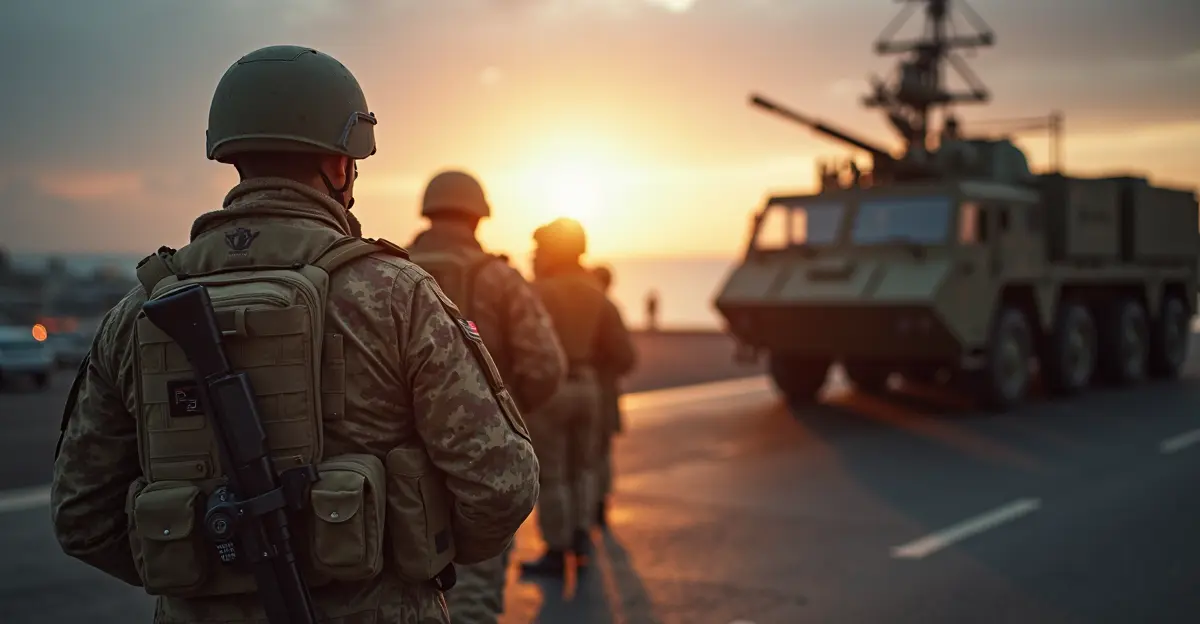
Global military expenditure reached a record $2.89 trillion in 2025, with European NATO members posting their fastest defense spending growth since 1953, according to the annual report by the Stockholm International Peace Research Institute (SIPRI). European defense spending surged 14% to $864 billion, driven by the ongoing war in Ukraine and growing uncertainty over US security guarantees, marking a historic shift in the transatlantic defense landscape.
Record Global Military Spending
The 11th consecutive year of growth saw worldwide military outlays rise 2.9% in real terms to $2.887 trillion, representing 2.5% of global GDP — the highest level since 2009. The top three spenders — the United States ($954 billion), China ($336 billion estimated), and Russia ($190 billion estimated) — accounted for 51% of the global total. Excluding the US, global defense spending rose 9.2%.
US spending declined 7.5% from 2024 levels after no new Ukraine aid packages were approved by Congress under the Trump administration. However, the Pentagon has submitted a record $1.5 trillion budget request for fiscal 2027, signaling a rebound. The global defense spending trends underscore how the US share of total NATO expenditure fell from 64% in 2024 to 59% in 2025.
Europe's Historic Rearmament
The 29 European NATO members collectively spent nearly $500 billion, with Germany emerging as the continent's largest military spender at $114 billion — a 24% increase that pushed its defense budget above 2% of GDP for the first time since 1990. Other notable increases included Belgium (59%), Spain (50%), and Poland, which already exceeds 4% of GDP.
According to SIPRI, the European spending surge was the largest single-year increase since the institute began tracking data in 1953. "European nations are responding to the most serious security threat on the continent since the Cold War," said Dr. Nan Tian, Senior Researcher at SIPRI. "The combination of the war in Ukraine and uncertainty about the reliability of US security guarantees has created a powerful incentive for European rearmament."
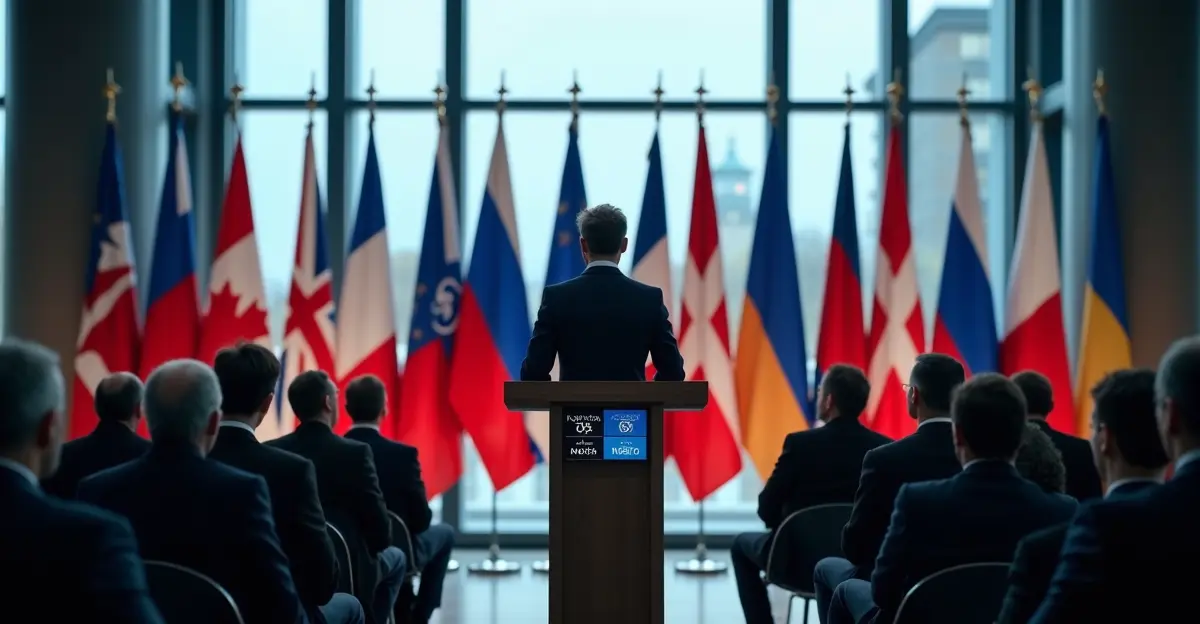
NATO Secretary General Mark Rutte confirmed in March 2026 that all 32 NATO members met the 2% GDP defense spending target for the first time, with European allies and Canada increasing spending by nearly 20% in real terms. New targets adopted at the 2025 Hague summit commit allies to spending 5% of GDP on defense and defense-related items by 2035.
Asia-Pacific Arms Race
Asia and Oceania recorded the fastest regional growth since 2009, with spending rising 8.1% to $681 billion. China increased its military budget for the 31st consecutive year, up 7.4% to $336 billion, as part of its ongoing military modernization program. Japan's defense spending rose 9.7% to $62.2 billion, reaching its highest share of GDP since 1958, driven by regional tensions and the US security guarantee uncertainty in Asia.
Taiwan recorded its largest spending increase since 1988, boosting its defense budget by 14% to $18.2 billion in response to Chinese military pressure. India, the world's fifth-largest spender, allocated $92.1 billion to defense.
Russia-Ukraine War Continues to Drive Spending
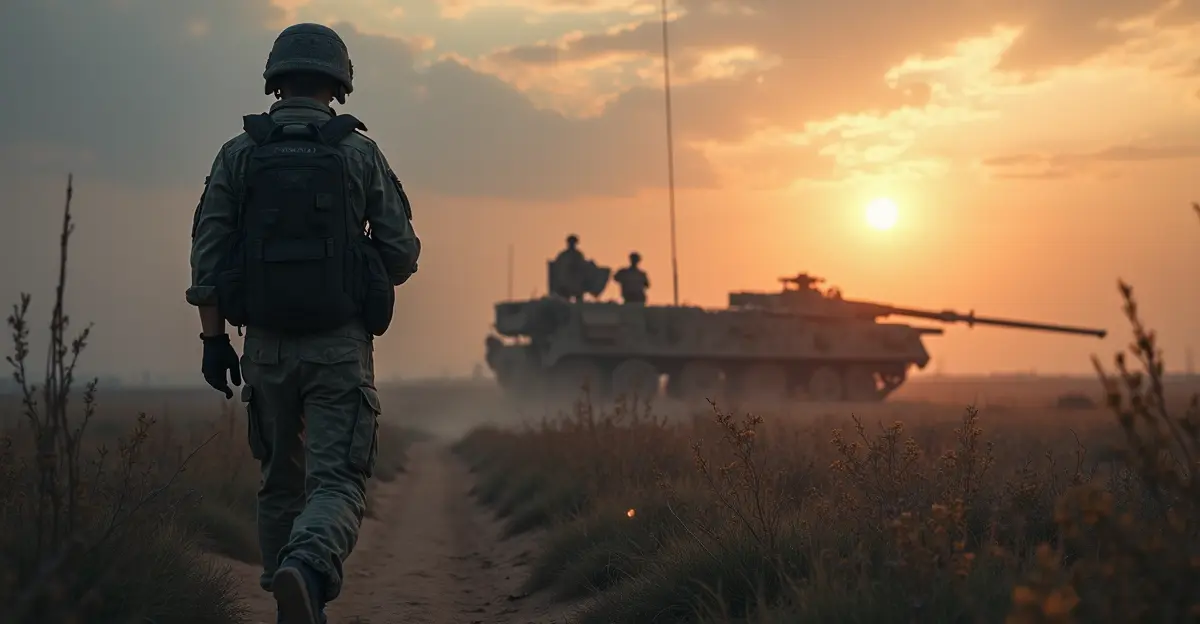
Russia's military expenditure rose 5.9% to an estimated $190 billion, representing 7.5% of its GDP — the highest level since the Soviet era. Ukraine increased spending by 20% to $84.1 billion, an extraordinary 40% of its GDP, making it the world's biggest military spender relative to economic output.
"Both Russia and Ukraine have prioritized military spending above all other government expenditures," noted SIPRI researcher Diego Lopes da Silva. "The economic toll on both countries is immense, but neither shows signs of reducing military commitments."
Middle East and Other Regions
Military spending in the Middle East remained broadly stable at $218 billion, as Israel's expenditure fell 4.9% to $48.3 billion following the Gaza ceasefire. However, Israeli defense outlays remain double their 2022 level. Iran's spending declined slightly, while Saudi Arabia and the United Arab Emirates maintained high spending levels.
Africa recorded a modest 3.2% increase in military spending, driven primarily by counter-terrorism operations in the Sahel region and ongoing conflicts in Sudan and the Horn of Africa.
Defense Industry Boom
The spending surge has translated into record revenues for defense contractors globally. European defense stocks have soared, with Germany's Rheinmetall climbing 154% over the past year, South Korea's Hanwha Aerospace surging 193%, and Japan's Mitsubishi Heavy Industries rising 72.7%. The defense industry stock market rally reflects investor expectations that higher spending will persist for years.
Outlook for 2026 and Beyond
SIPRI researchers expect global military spending to continue rising in 2026, with the US budget potentially exceeding $1 trillion and European allies committed to further increases. The NATO summit in Ankara in July 2026 is expected to formalize new spending targets and address burden-sharing arrangements.
"What we are witnessing is not a temporary spike but a structural shift in global defense spending," said Dr. Tian. "The security environment has fundamentally changed, and governments are adjusting their budgets accordingly. This trend is likely to continue for the foreseeable future."
Frequently Asked Questions
What is SIPRI?
The Stockholm International Peace Research Institute (SIPRI) is an independent international institute based in Sweden, founded in 1966. It provides data, analysis and recommendations on armed conflict, military expenditure, arms trade, disarmament and arms control.
How much did global military spending increase in 2025?
Global military spending rose 2.9% in real terms to $2.887 trillion in 2025, marking the 11th consecutive year of growth. The global military burden reached 2.5% of GDP, the highest since 2009.
Why did European NATO spending increase so sharply?
European defense spending surged 14% due to the ongoing Russia-Ukraine war, new NATO spending targets, and growing uncertainty over US security guarantees under the Trump administration. All 32 NATO members met the 2% GDP target for the first time in 2025.
Which country spent the most on defense in 2025?
The United States remained the world's largest military spender at $954 billion, though this represented a 7.5% decrease from 2024. China was second at $336 billion, followed by Russia at $190 billion, Germany at $114 billion, and India at $92.1 billion.
What is the outlook for defense spending in 2026?
SIPRI expects continued growth in 2026, with the US Pentagon requesting a record $1.5 trillion budget for fiscal 2027. European allies have committed to further increases under new NATO targets, and Asian nations continue to boost spending amid regional tensions.



Follow Discussion