


 Deutsch
 English
 Español
 Français
 Nederlands
 Português


 Share
Share




Breaking: US Threatens Zambia with HIV Medicine Cutoff Over Rare Earth Minerals Access
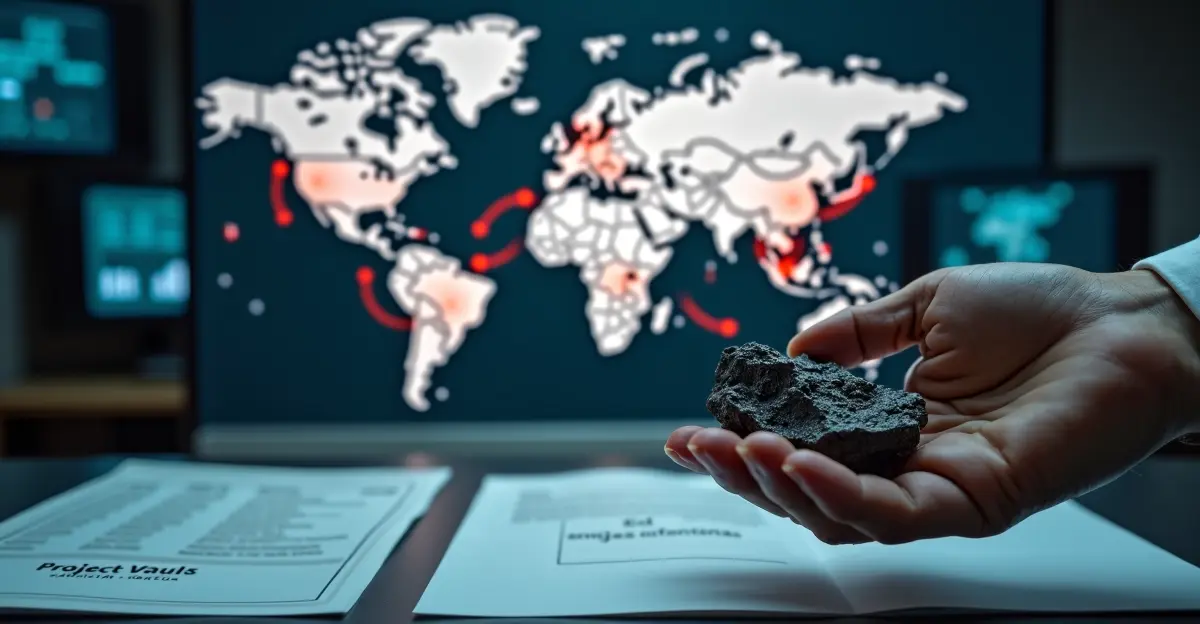
The United States is threatening to suspend critical HIV and tuberculosis medicine deliveries to Zambia unless the African nation grants American companies greater access to its valuable rare earth minerals, according to a leaked government memo from the U.S. State Department obtained by The New York Times. This dramatic escalation in resource diplomacy comes as the Trump administration seeks to counter China's growing influence in Africa's mineral-rich regions while leveraging humanitarian aid for strategic advantage.
What is the US-Zambia Rare Earth Minerals Dispute?
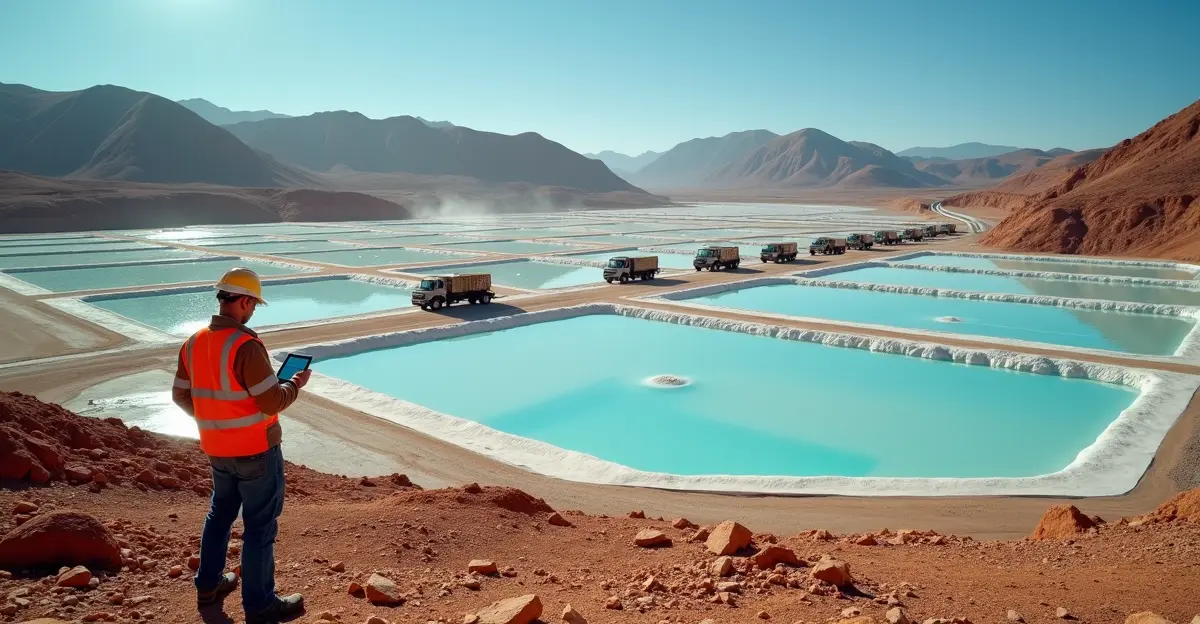
The conflict centers on Zambia's vast mineral wealth, particularly copper, lithium, and cobalt reserves that are essential for modern technology including electric vehicle batteries, smartphones, and renewable energy systems. Zambia is one of the world's largest copper producers and possesses significant deposits of other critical minerals that the US wants to secure for its domestic industries. The Trump administration has reportedly demanded that Zambia revise its mining regulations and grant preferential access to American companies by May 2026, or face suspension of medical aid programs that support 1.3 million Zambians who rely on daily HIV medication.
The Geopolitical Context: US vs China in Africa
This confrontation represents a significant shift in US foreign policy toward Africa, where China has made substantial inroads through infrastructure investments and resource agreements. The US memo reveals Washington's concern that "China appears to be gaining more access to the resources that Zambia is rich in," prompting the Trump administration to adopt more aggressive tactics. This approach mirrors similar US-China trade tensions seen in other sectors, but marks a dangerous escalation by linking life-saving medical aid to mineral access.
Key Minerals at Stake in Zambia
Zambia's mineral wealth includes several critical resources:
- Copper: Zambia produced 763,287 metric tons in 2022, representing 70% of the country's total export earnings
- Cobalt: Essential for lithium-ion batteries, with global production exceeding 300,000 tons in 2024
- Lithium: Critical for electric vehicle batteries and renewable energy storage
- Other rare earth elements: Used in electronics, defense systems, and green technology
The Copperbelt region spanning Zambia and the Democratic Republic of Congo yields most of the world's cobalt production, making it strategically vital for the global transition to clean energy.
Medical Consequences: HIV and Tuberculosis Crisis
The potential suspension of medical aid could have devastating consequences for Zambia's public health system. According to the leaked documents, the threatened cutoff includes:
- HIV antiretroviral medications for 1.3 million Zambians who require daily treatment
- Tuberculosis prevention and treatment programs
- Malaria control initiatives
- General health system support worth approximately $20 billion across 24 African nations
Zambia faces significant health challenges, with thousands dying annually from malaria infections and tuberculosis complications. The country's HIV prevalence rate remains among the highest in the world, making continued access to antiretroviral therapy essential for preventing a public health catastrophe.
Broader African Response to US Pressure
Not all African nations are accepting the US approach. Zimbabwe walked away from negotiations entirely, refusing to share data and biological samples that it considered a violation of national sovereignty. Kenya signed the agreement but faces legal challenges from advocacy groups concerned about similar sovereignty issues. The broader pattern reveals a global resource competition where developed nations are increasingly using aid as leverage for strategic resources.
Timeline and Demands
The US State Department memo gives Zambia until May 2026 to comply with several key demands:
- Revise mining regulations to favor American companies
- Grant preferential access to copper, lithium, and cobalt reserves
- Increase transparency in mineral licensing processes
- Align with US strategic interests in countering Chinese influence
This pressure builds on a 2024 agreement where Zambia received nearly half a billion dollars for agricultural development, which the Trump administration now wants to leverage for mineral access.
Ethical and Legal Implications
The US threat raises serious ethical questions about using humanitarian aid as bargaining chips. International health experts warn that cutting off HIV medications could lead to increased mortality, drug resistance, and the collapse of Zambia's healthcare system. Legal scholars question whether such actions violate international agreements on humanitarian assistance and global health commitments.
"This represents a dangerous precedent where life-saving medications become tools of geopolitical leverage," said Dr. Amina Jallow, a global health policy expert at the University of Cape Town. "The people who will suffer are not government officials but ordinary Zambians who depend on these medications for survival."
FAQ: US-Zambia Rare Earth Minerals Dispute
What rare earth minerals does Zambia have?
Zambia possesses significant reserves of copper, cobalt, lithium, and other critical minerals essential for electronics, electric vehicles, and renewable energy technology.
Why is the US threatening to cut off HIV medicine?
The Trump administration is using medical aid as leverage to secure better access to Zambia's mineral resources and counter China's growing influence in the region.
How many people in Zambia depend on US HIV medications?
Approximately 1.3 million Zambians require daily HIV antiretroviral therapy, much of which is supported through US aid programs.
What is the deadline for Zambia to comply?
Zambia must meet US demands by May 2026 or face suspension of medical aid programs.
How does this affect the global rare earth minerals market?
Increased US access to Zambian minerals could shift global supply chains and reduce dependence on Chinese-controlled resources, potentially affecting prices and availability worldwide.




Follow Discussion