Nederlands
 English
 Deutsch
 Français
 Español
 Português





Iran Launches Live-Fire Naval Exercises in Critical Global Shipping Lane
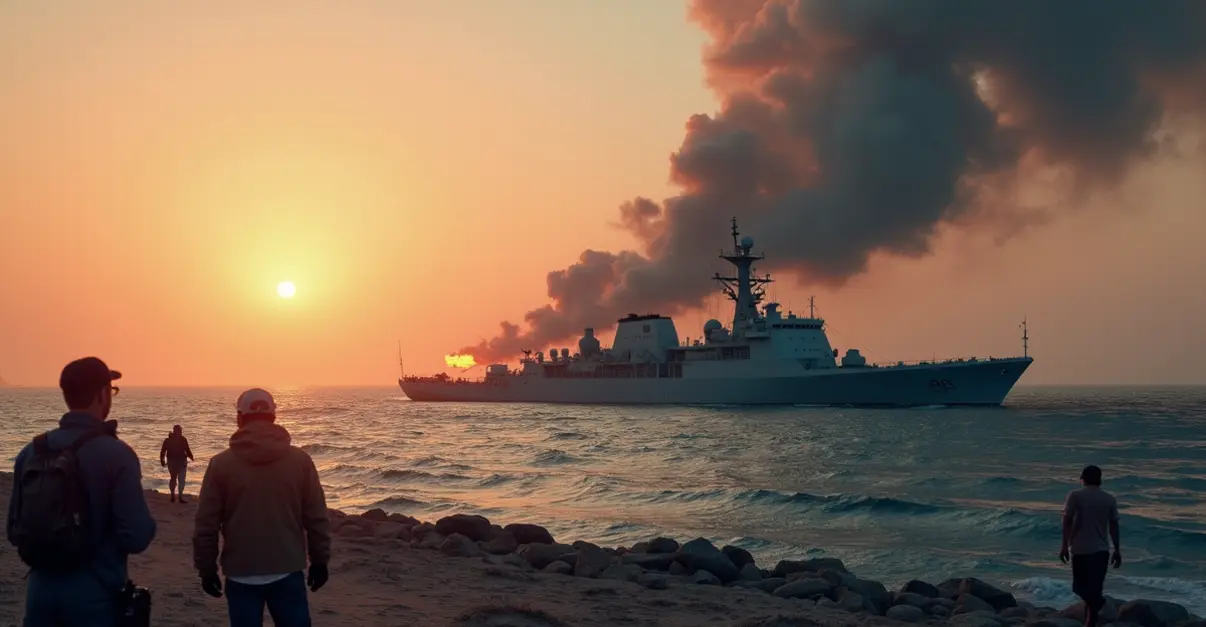
Iran has begun a major live-fire naval exercise in the strategically vital Strait of Hormuz, one of the world's most important maritime chokepoints, raising fears of potential military escalation with the United States. The drills, scheduled for Sunday and Monday, come at a time of heightened tensions following U.S. President Donald Trump's threats of military strikes against Iran over its crackdown on protests and nuclear program.
The United States has responded with sharp warnings, with U.S. Central Command stating that 'unsafe and unprofessional behavior' near American warships or commercial vessels could increase the risk of escalation. The USS Abraham Lincoln carrier strike group is currently positioned in the Arabian Sea, not far from the exercise area.
Global Energy Supply at Risk
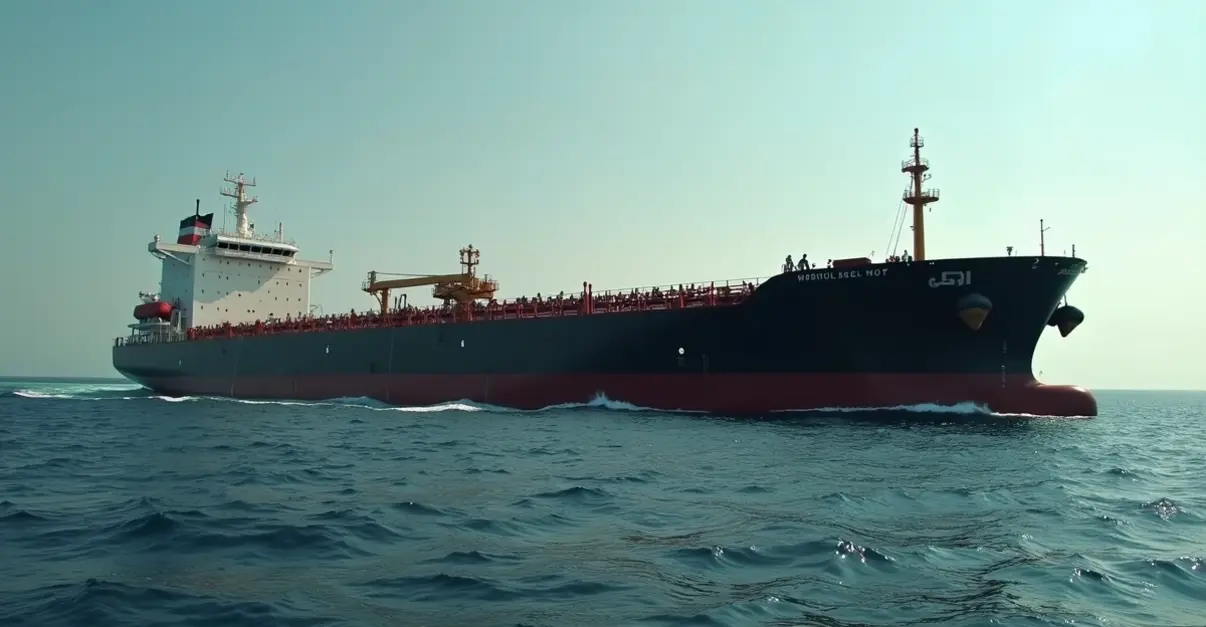
The Strait of Hormuz is a narrow 33-kilometer-wide waterway between Iran and Oman that serves as a crucial artery for global energy trade. Approximately one-fifth of the world's oil passes through this channel daily, primarily destined for Asian markets. Any disruption could send shockwaves through global energy markets, with immediate impacts on oil prices worldwide.
According to the Wikipedia entry on the Strait of Hormuz, the waterway handles about 20% of global liquefied natural gas and 25% of seaborne oil trade annually. The strait has never been closed during Middle East conflicts, though Iran has repeatedly threatened to do so.
Geopolitical Chess Game
Analysts see the timing of these exercises as particularly provocative. 'Iran is operating on the edge of the abyss and deliberately choosing controlled deterrence,' says Sayed Ghoneim, a retired general and chairman of the Institute for Global Security & Defense Affairs in Abu Dhabi, in an interview with NOS.
Ghoneim explains that 'the United States wants to keep this purely military, but Iran would rather turn it into a political, security, and economic conflict. When you have to close the Strait of Hormuz, that means a mix of military, security, and economic pressure. This will disrupt the international economy and international security.'
The exercises coincide with reports that Trump may order an attack on Iran as early as this weekend, according to American media. High-ranking U.S. military officials reportedly informed a key Middle Eastern ally that an attack was 'possible in the short term.'
Regional Diplomacy and Military Posturing
Iranian officials have warned that any attack will be met with immediate retaliation. Vice President Mohammad Reza Aref stated that Iran is in 'war readiness,' while a military spokesman spoke of a direct response to any 'miscalculation' by enemies.
Simultaneously, Tehran is seeking diplomatic support in the region. Iranian President Pezeshkian recently spoke with Saudi Crown Prince Mohammed bin Salman, while Qatar, Turkey, and Egypt are reportedly urging restraint behind the scenes.
The exercises also align with broader maneuvers involving Iran, Russia, and China in the Gulf of Oman and Indian Ocean. While described as routine annual exercises, analysts see them as a geopolitical signal demonstrating that these nations can operate jointly in an area where the U.S. Navy has traditionally been dominant.
Risk of Miscalculation
The situation remains dangerously volatile. According to Canadian Broadcasting Corporation reporting, Iran's Revolutionary Guard, which operates fast-attack vessels in the strait, is likely involved in the drills, raising concerns about potential escalation in this vital global shipping corridor.
Daily, about one hundred commercial ships pass through the narrow waterway, navigating a two-lane traffic separation scheme to prevent collisions. Iran has warned ships that the live-fire exercise may partially overlap with official shipping corridors, creating additional risks for international maritime traffic.
As tensions continue to mount, the world watches nervously, aware that a single miscalculation in these crowded waters could trigger a broader regional conflict with global economic consequences.