Deutsch
 English
 Español
 Français
 Nederlands
 Português






Iranian Forces Intercept Tanker with 4 Million Liters of Smuggled Fuel
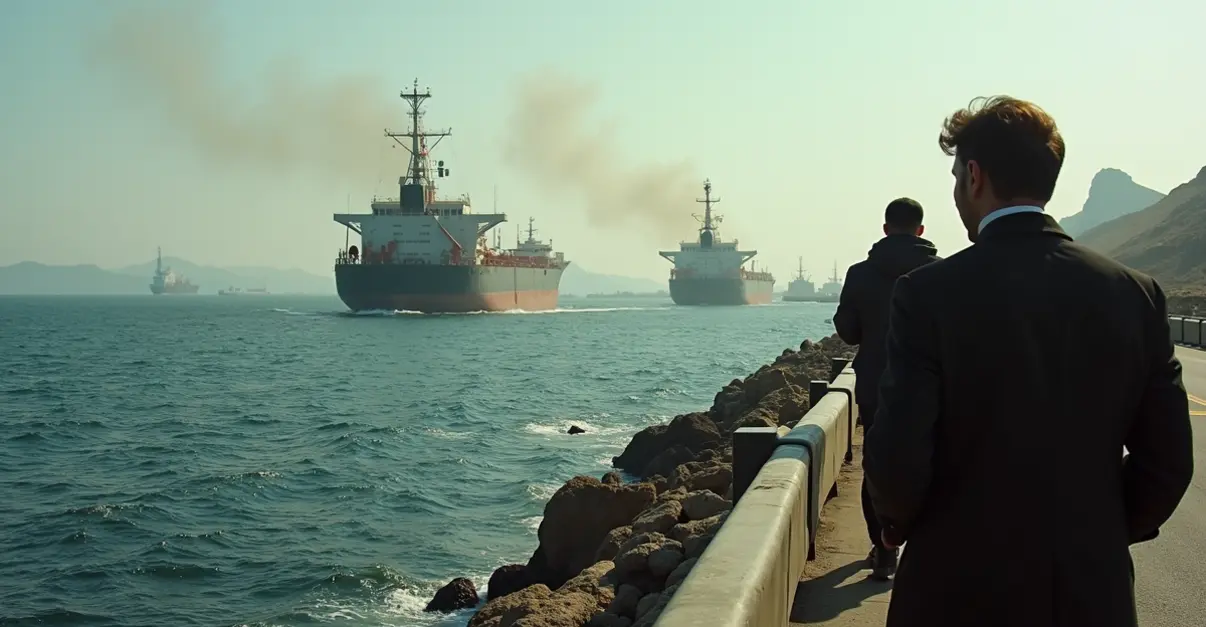
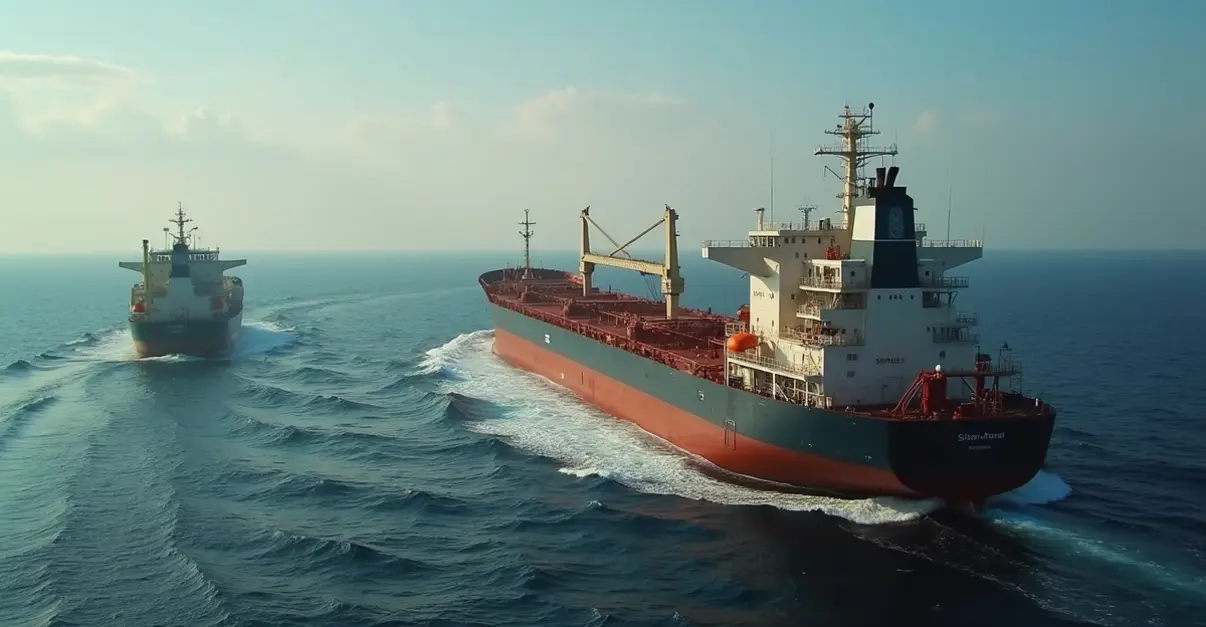
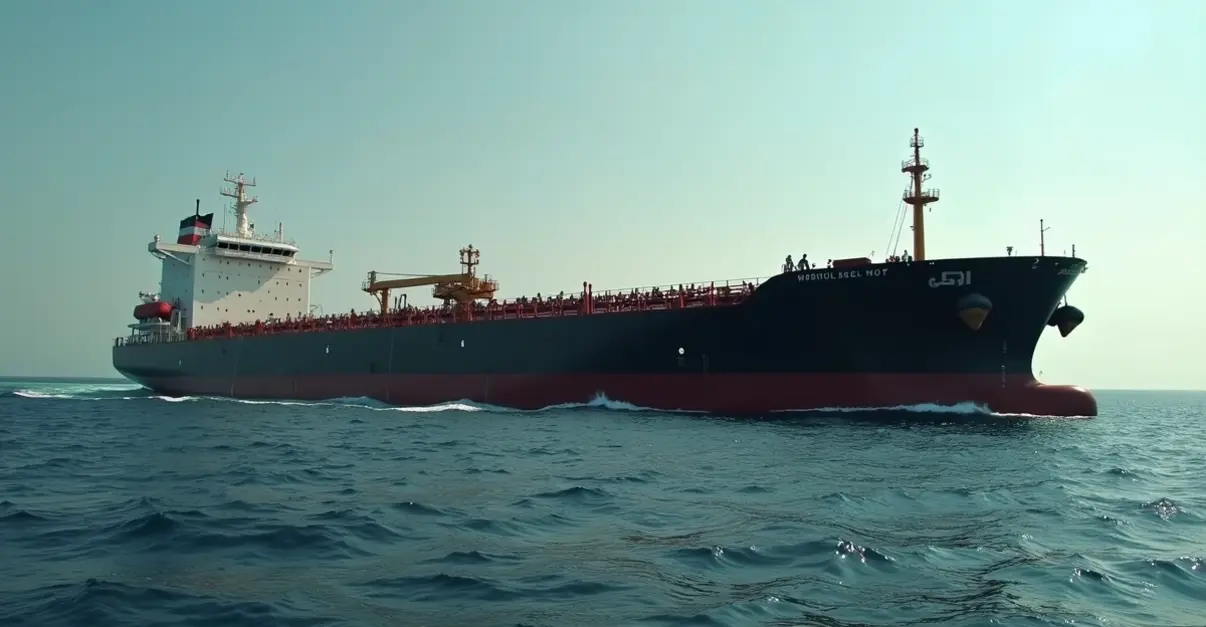
Iran's Islamic Revolutionary Guard Corps (IRGC) has seized a foreign oil tanker in the Persian Gulf carrying approximately 4 million liters (25,000 barrels) of smuggled fuel, according to state media reports. The vessel was intercepted near Qeshm Island on Wednesday, December 24, 2025, in what Iranian authorities describe as a 'precise operation with complete intelligence.'
Details of the Seizure
The tanker, whose name and nationality have not been disclosed, had 16 foreign crew members on board who have been detained on criminal charges. A senior IRGC commander told the state-run IRNA news agency that 'the tanker was part of an organized fuel smuggling network operating in the region' and was preparing to transfer its cargo to larger ships outside the Persian Gulf.
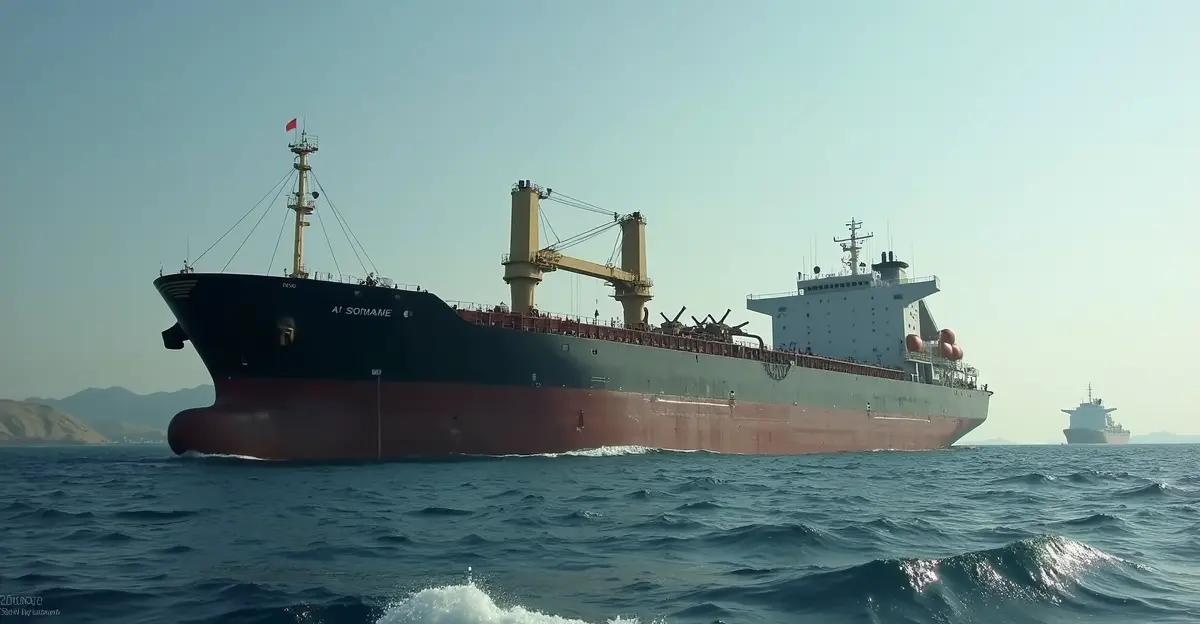
This incident follows a pattern of similar seizures in recent weeks. Just last week, Iran intercepted another foreign tanker carrying 6 million liters of smuggled diesel in the Gulf of Oman. In November, the IRGC seized a Marshall Islands-flagged tanker in the Strait of Hormuz, marking the first such seizure in eighteen months.
Economic Drivers of Fuel Smuggling
Experts point to significant economic factors driving the rampant fuel smuggling. Iran maintains heavily subsidized low fuel prices, while its national currency, the rial, has experienced sharp devaluation. This creates substantial price differentials with neighboring countries, making fuel smuggling highly profitable.
'The smuggling is fueled by the growing price gap between Iran and its neighbors,' explains regional energy analyst Dr. Farhad Alavi. 'With Iran's subsidized fuel prices and currency devaluation, there's strong economic incentive to smuggle fuel both overland to neighboring countries and by sea to Gulf states.'
Strategic Importance of the Persian Gulf
The seizure occurred in the strategically vital Persian Gulf, near the Strait of Hormuz - one of the world's most important maritime chokepoints. According to Wikipedia, the strait handles approximately 20% of the world's liquefied natural gas and 25% of seaborne oil trade annually. Iran has previously threatened to close this critical waterway during regional tensions.
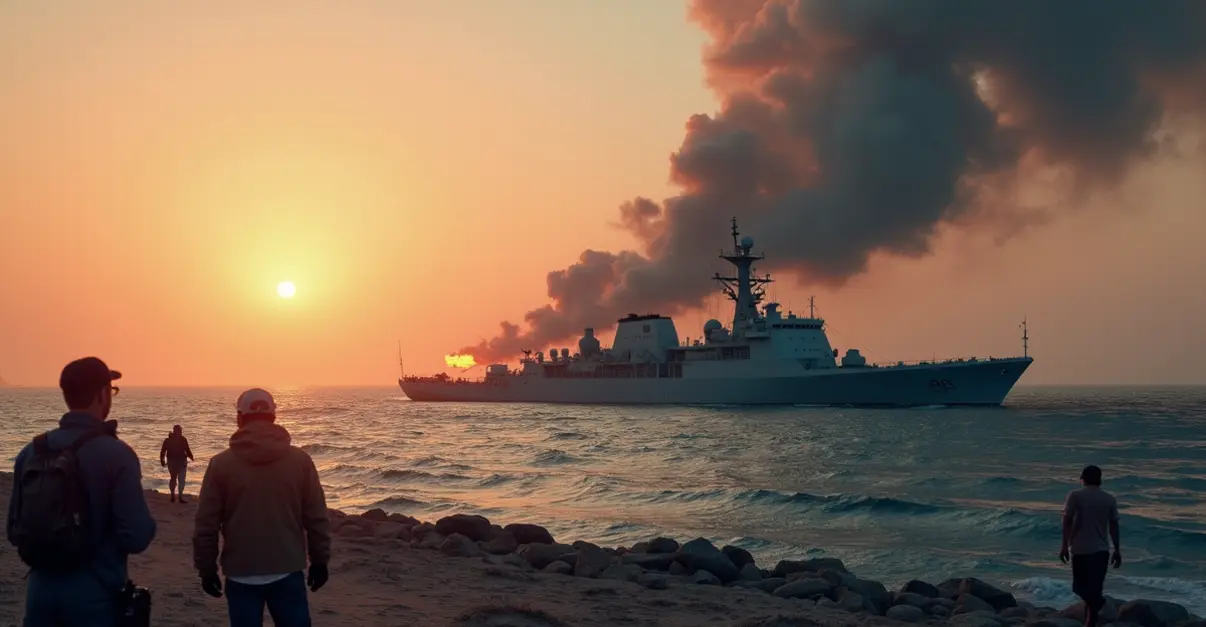
The IRGC has been strengthening its naval capabilities in the region, recently revealing a secret underground naval base housing dozens of missile assault boats and unveiling its first drone-carrier warship, as reported by Army Recognition.
Government Crackdown on Smuggling
Iranian authorities have intensified efforts to combat fuel smuggling, which has become a significant economic drain. In mid-December, Iran implemented fuel price increases targeting heavy users as part of measures to curb domestic consumption and reduce smuggling, according to Reuters.
'We are taking decisive action against these smuggling networks that threaten our national economy,' stated IRGC Navy Commander Rear Admiral Alireza Tangsiri in a recent press conference. 'Our naval forces are monitoring these waters 24/7 to prevent illegal activities.'
Regional Implications
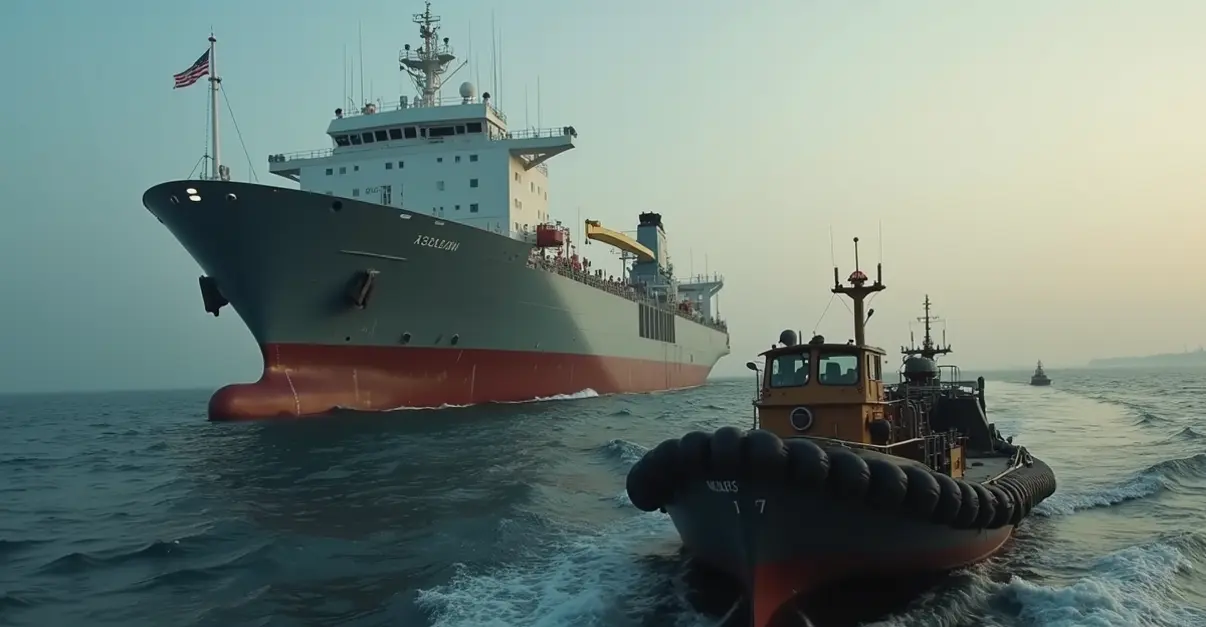
The seizure comes amid ongoing regional tensions and increased naval activity in the Persian Gulf. The United States maintains a significant naval presence in the area to ensure maritime security, while Iran continues to demonstrate its naval capabilities through regular exercises and military deployments.
Maritime security expert Captain James Henderson notes: 'These seizures highlight the complex security environment in the Persian Gulf. While Iran has legitimate concerns about fuel smuggling, such actions also serve to demonstrate its naval capabilities and assert control over strategic waterways.'
The case has been referred to Iranian judicial authorities for further investigation into the smuggling network. As Iran continues its crackdown on fuel smuggling, analysts expect further such interceptions in the strategically vital waters of the Persian Gulf and Strait of Hormuz.