Deutsch
 English
 Español
 Français
 Nederlands
 Português






Maritime Confrontations Threaten Global Trade Routes
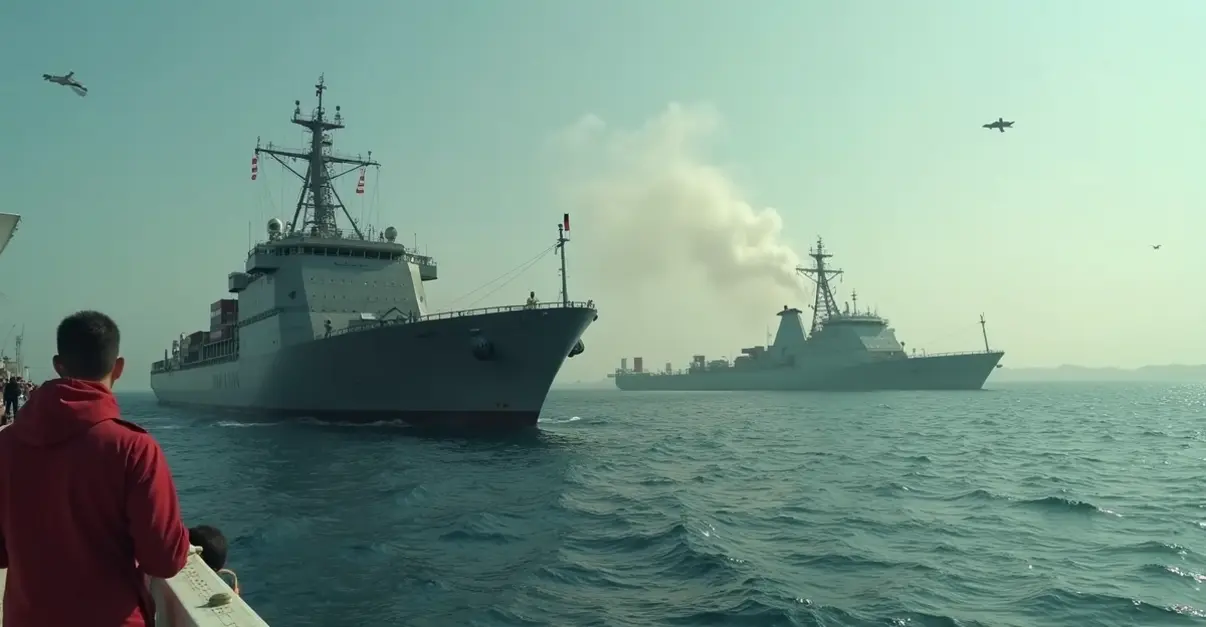
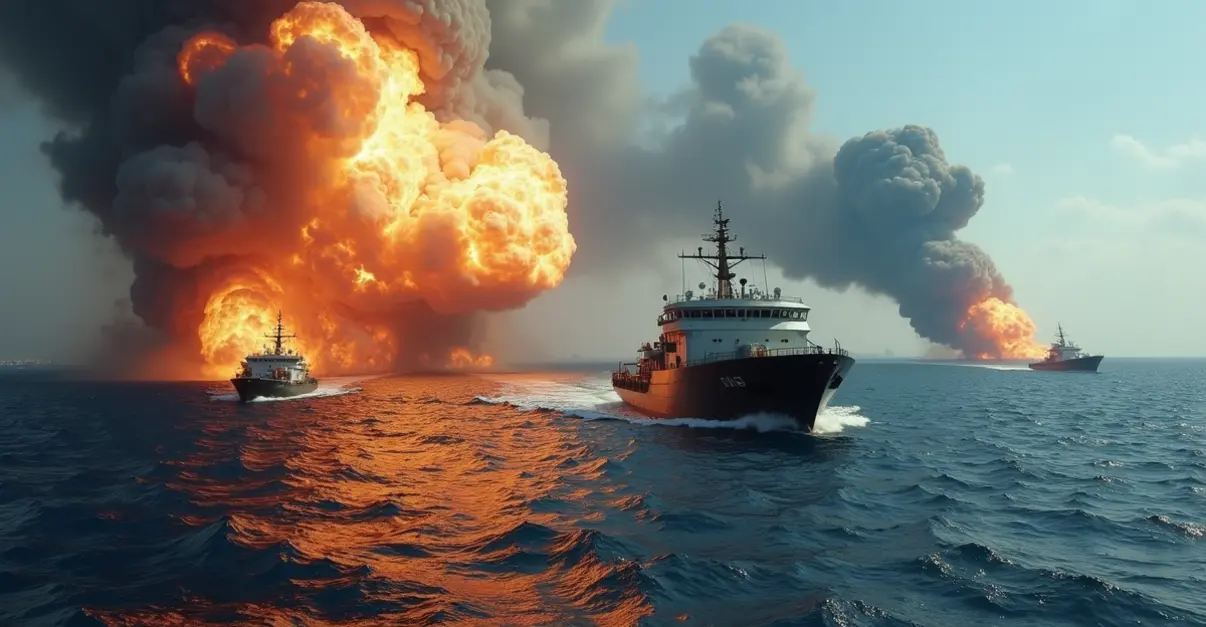
The strategic waters of the Middle East have become a flashpoint in the escalating conflict between Israel and Iran, with recent naval incidents creating ripple effects across global shipping markets. According to maritime intelligence reports, electronic interference with commercial ship navigation systems has intensified around the Strait of Hormuz and Persian Gulf, affecting vessels' ability to transmit accurate positional data via automated identification systems (AIS). The US-led Combined Maritime Force's JMIC information center reported significant operational and navigational challenges for maritime traffic, with interference originating near Iran's Port of Bandar Abbas and other Gulf areas.
Shipping Industry Adapts to Heightened Risks
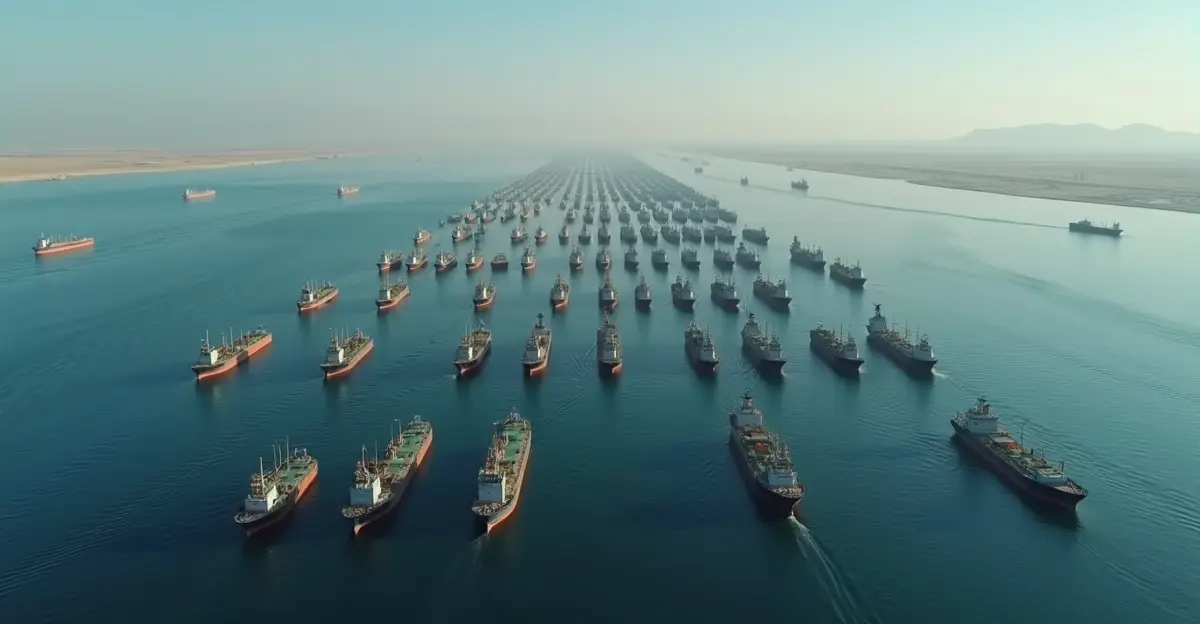
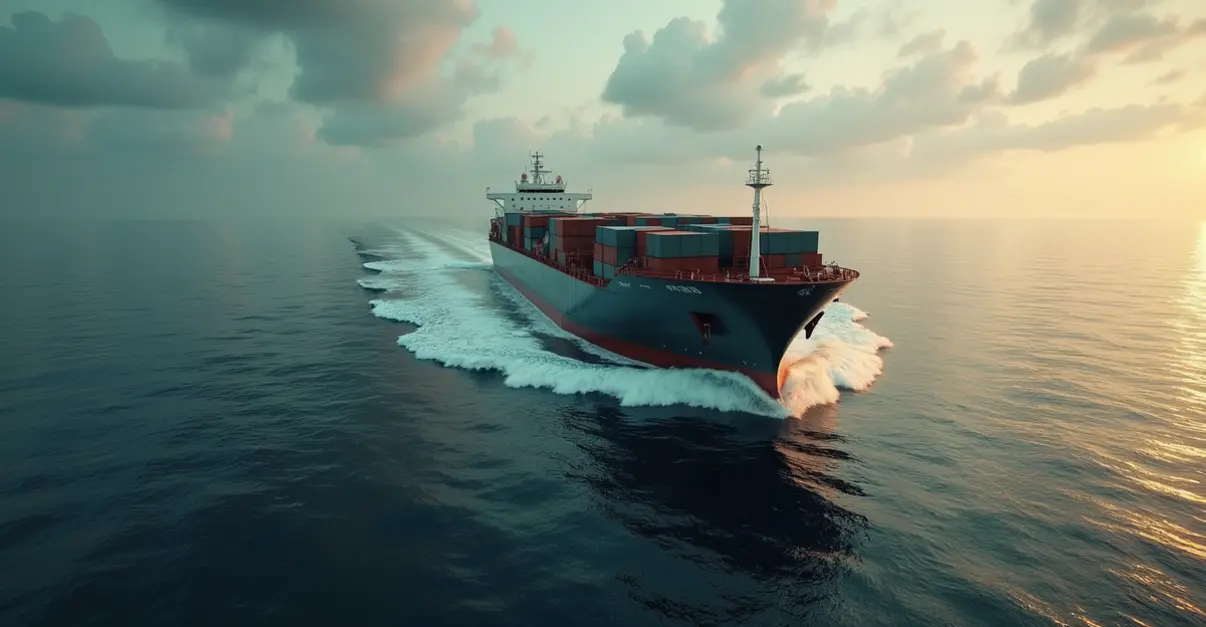
The world's largest shipping association Bimco has confirmed that shipping groups are increasingly avoiding the strategically vital Strait of Hormuz as the Israel-Iran conflict escalates. This waterway handles about 20% of global petroleum liquids consumption—approximately 20.9 million barrels per day in 2023—making it a critical chokepoint for global oil and container trade. 'The threat environment has forced shipowners, exporters, and insurers to take swift action,' noted a shipping industry analyst. 'We're seeing voyage times increase by 10-12 days as vessels reroute via the Cape of Good Hope to avoid the Strait of Hormuz and Red Sea.'
War-risk insurance premiums have surged dramatically, with some areas seeing increases from 0.01% to 0.07% of vessel value, adding $40,000-$60,000 per voyage. Major operators like Frontline have suspended new Hormuz bookings, and VLCC freight rates on Gulf-Asia routes have risen 15-20%. Oil prices briefly surged over 10% amid Hormuz threat concerns, with analysts warning that full disruption could push prices to $100-$150 per barrel.
Recent Incidents and Retaliatory Actions
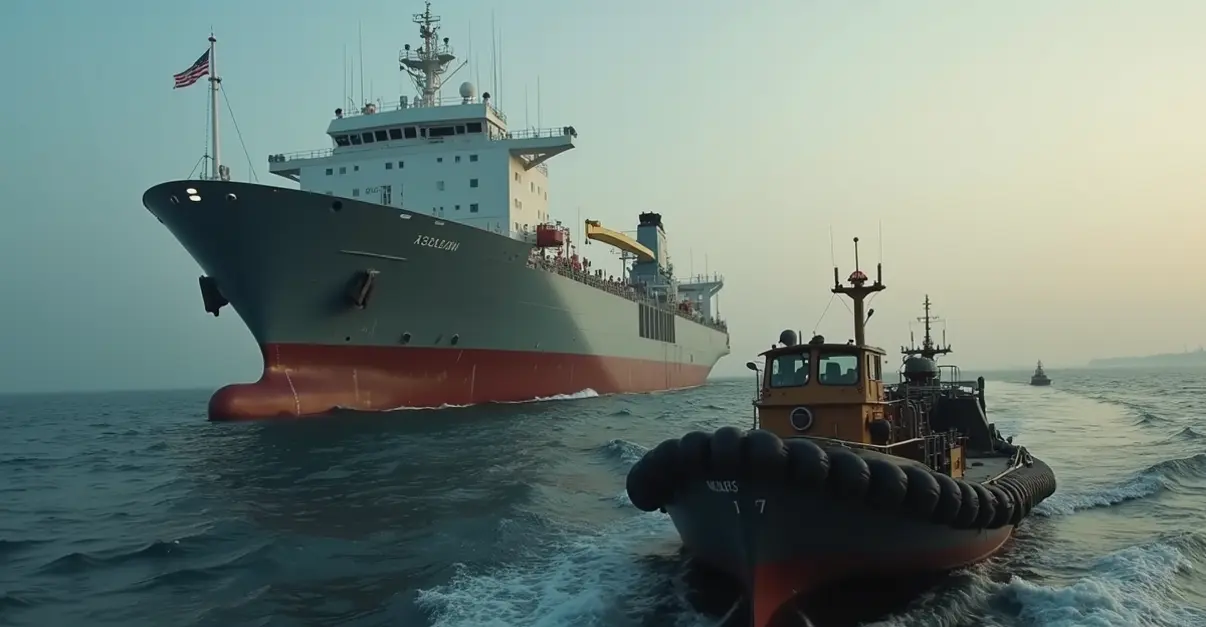
In a significant development on December 26, 2025, Iran seized a foreign oil tanker carrying approximately 25,000 barrels of smuggled fuel in the strategic Strait of Hormuz. Revolutionary Guard naval forces detained 16 foreign crew members during the operation, which Iranian officials described as a significant blow to smugglers. This incident follows a pattern of similar seizures by Iran in the region, including a vessel seized in November 2025 over alleged violations.
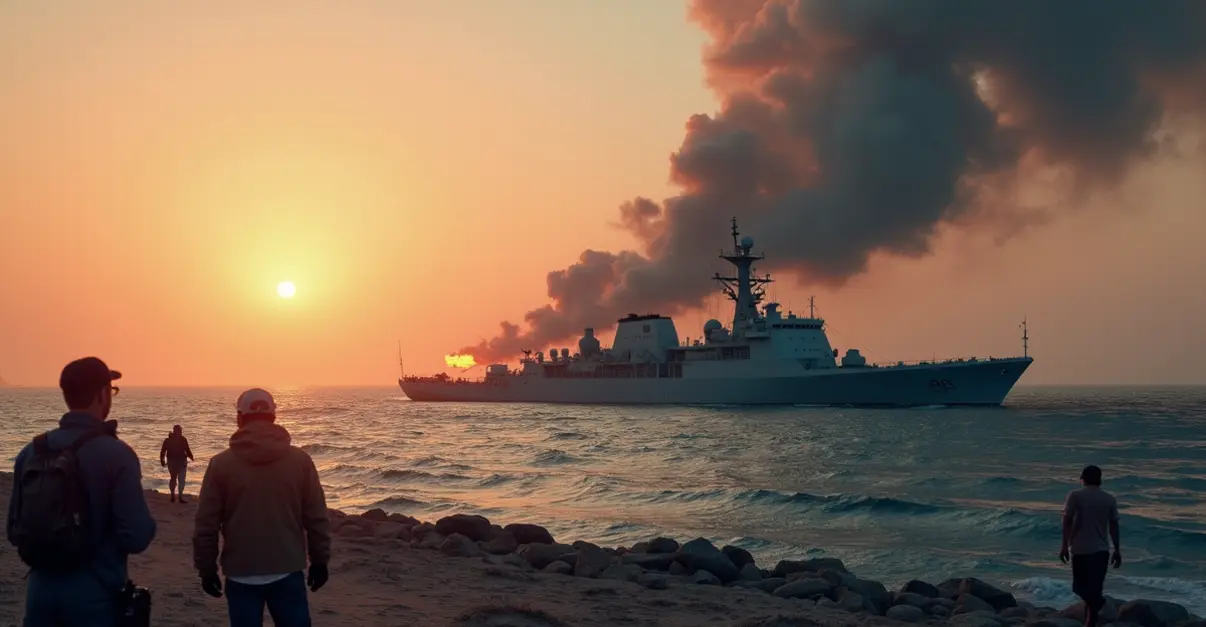
The maritime tensions come amid broader military confrontations between the two nations. The conflict, which escalated dramatically in June 2025, saw Israel launch Operation Rising Lion against Iranian nuclear facilities, prompting Iranian missile attacks on Israeli cities including Tel Aviv. 'This marks a dangerous direct military confrontation after decades of proxy tensions,' observed a Middle East security expert. 'The imbalance in military power favors Israel, but Iran's ability to disrupt global shipping gives it significant leverage.'
International Mediation Efforts Intensify
Diplomatic channels have been active despite the hostilities. According to Reuters reporting from June 19, 2025, Iran engaged in direct diplomatic talks with the United States as tensions escalated between Iran and Israel. The discussions occurred amid intensifying regional conflict, with diplomats confirming bilateral communication between Tehran and Washington. This development suggests diplomatic efforts were underway to address the growing hostilities in the Middle East, with the US potentially serving as an intermediary.
The Trump administration appears to have played a role in brokering a ceasefire between the warring parties, though the situation remains fragile. Regional powers and international organizations continue to push for de-escalation, recognizing the global economic implications of continued conflict in these vital shipping lanes.
Global Economic Implications
The shipping industry's adaptation to these new realities involves route adjustments, enhanced risk assessments, and coordinated responses. Greek authorities have advised their merchant fleet to log all voyages through the strait, while the regional maritime threat level remains elevated due to continued strikes between Israel and Iran.
'Even the threat of military activity around this narrow routing could significantly disrupt global shipping,' warned an industry expert from Bimco. 'We've seen similar patterns when Houthi attacks redirected Red Sea traffic around Africa, but the scale here is potentially much larger given the volume of oil passing through Hormuz.'
The conflict has far-reaching implications beyond immediate shipping disruptions. Global energy markets face volatility, great power rivalries are being tested, and nuclear non-proliferation efforts in the region have suffered significant setbacks. Humanitarian concerns also loom large, with civilian casualties reported on both sides during the June 2025 exchanges.
As the situation continues to evolve, maritime stakeholders remain vigilant. The shipping industry's ability to adapt to these geopolitical challenges will be crucial for maintaining global trade flows, but continued escalation could test the resilience of international supply chains to their limits.