Nederlands
 English
 Deutsch
 Français
 Español
 Português





A New Era in Trans-Atlantic Relations
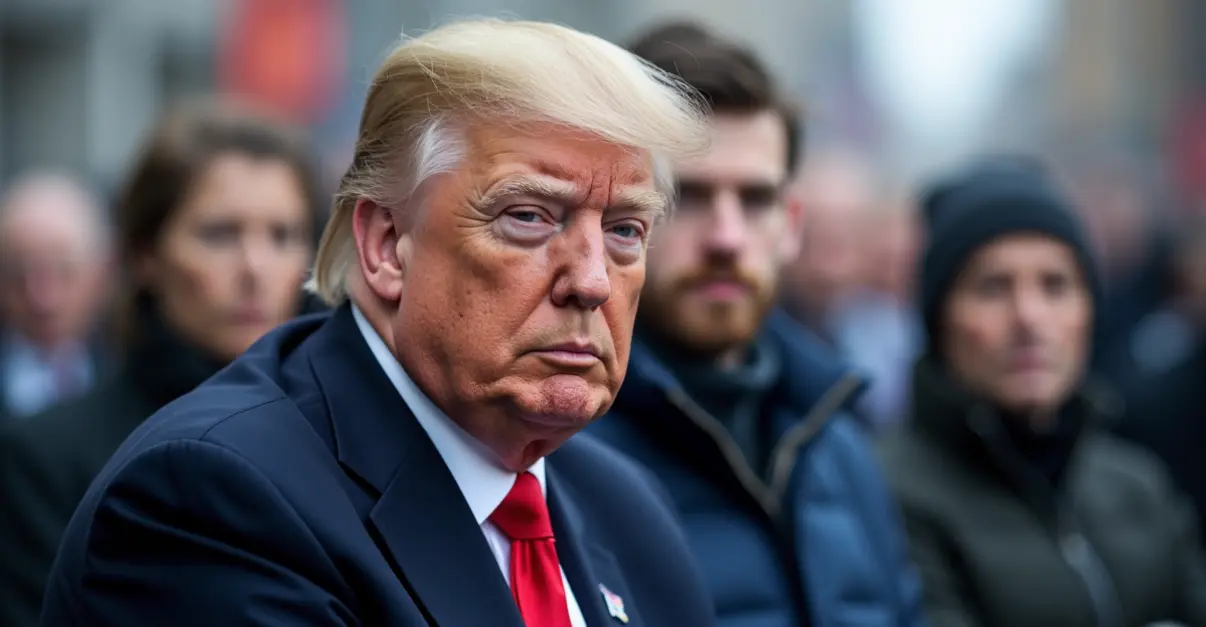
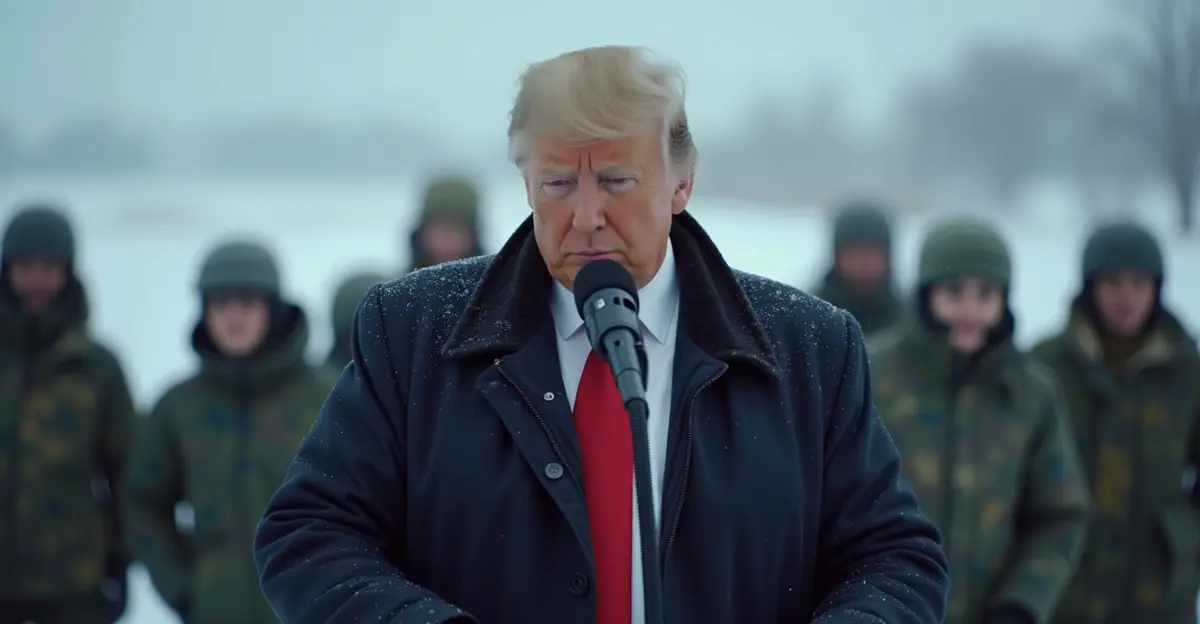
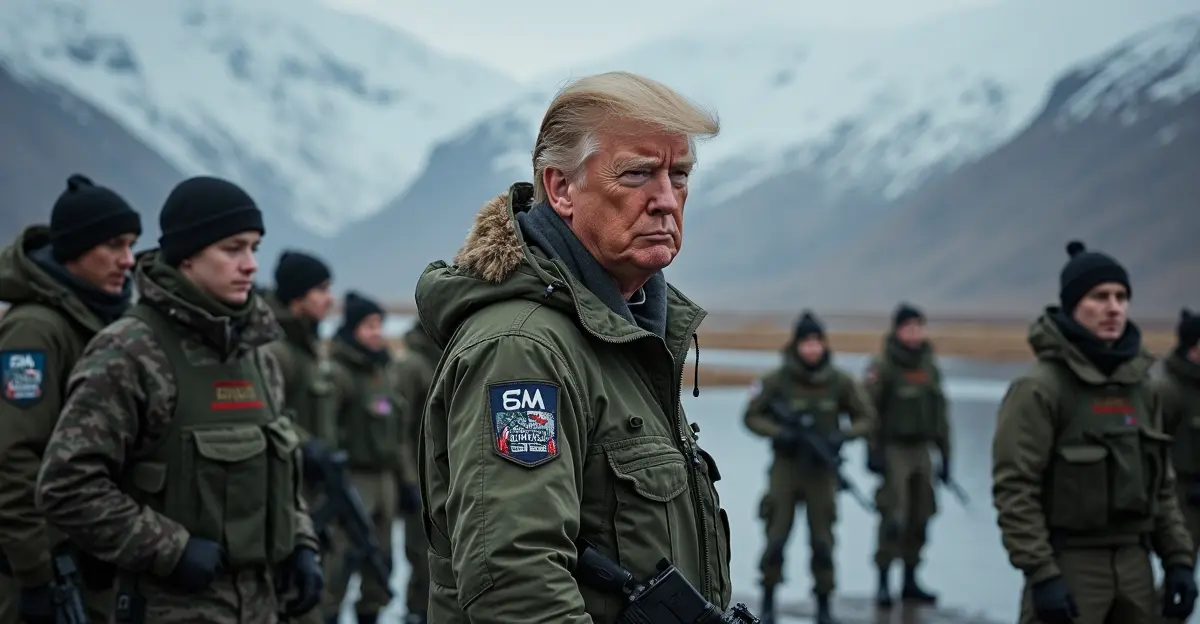
The trans-Atlantic relationship between the United States and Europe has undergone a fundamental transformation following a turbulent week at the 2026 World Economic Forum in Davos. While President Donald Trump backed off from military threats against Greenland, experts warn the damage to NATO and European-American relations may be irreversible.
'If we're not at the table, we're on the menu,' Canadian Prime Minister Carney declared in a widely praised speech that captured the mood of many European leaders. NATO Secretary General Mark Rutte struck a more conciliatory tone, speaking of 'discussions' among allies, but the underlying tensions were unmistakable.
NATO's Credibility Damaged
Laurien Crump, a foreign policy expert at Radboud University, believes NATO's credibility has suffered enormous damage. 'The survival of NATO has genuinely been at stake for the first time,' she says. 'When Trump said "if we don't own something, we won't defend it," that's essentially the end of Article 5.'
Article 5 of the NATO treaty, which states that an attack on one member is an attack on all, has been the cornerstone of trans-Atlantic security since 1949. According to NATO's founding principles, this collective defense commitment has only been invoked once—after the 9/11 attacks.
The Greenland Rollercoaster
The Greenland crisis exemplifies what Giles Scott-Smith, professor of Transnational Relations at Leiden University, calls the 'rollercoaster' nature of current relations. 'The relative certainties of the past 70 years were completely abandoned within a day and then partially regained,' he explains. 'But you don't really know where you stand.'
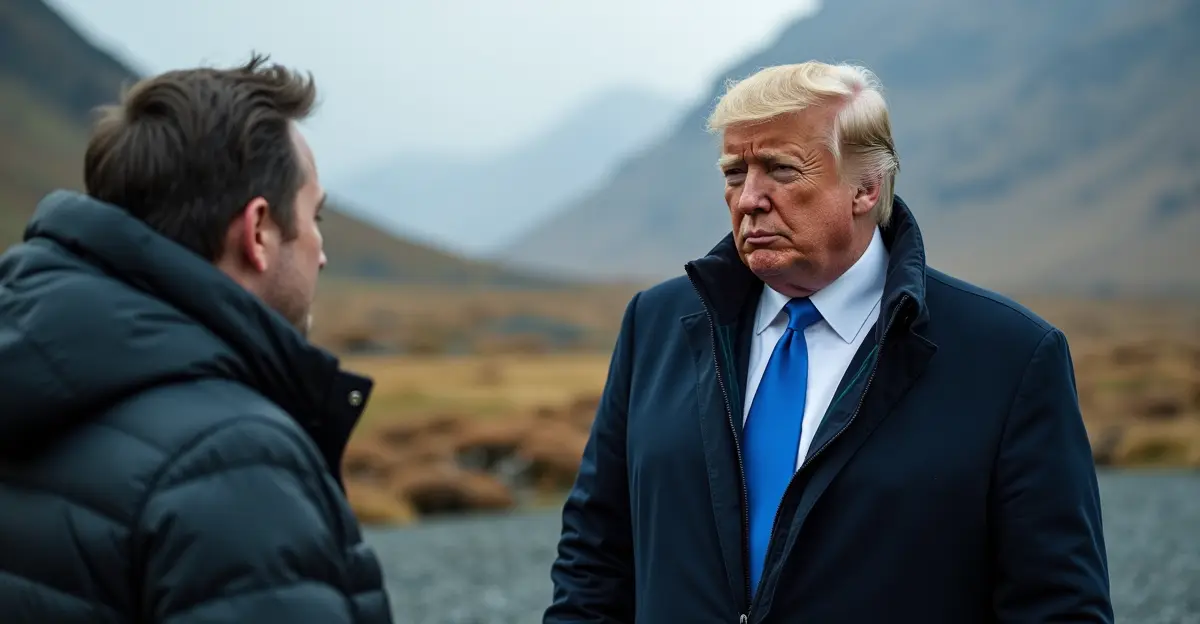
According to reports from Davos, Trump announced he would not use military force to acquire Greenland but continued pushing for U.S. ownership of the semi-autonomous Danish territory. He revealed a 'framework of a future deal' with Rutte regarding Greenland and the Arctic region, leading him to drop planned 10% tariffs on eight European countries.
Trump's 'Peace Council' Challenge to UN
Perhaps the most significant development was Trump's launch of a 'Board of Peace' initiative that critics view as an attempt to create an alternative to the United Nations. As reported by CBC, about 30 countries signed on, including Middle Eastern powers like Qatar, Egypt, UAE, Jordan, and Saudi Arabia, but only two EU members (Bulgaria and Hungary).
'This is a hard break from the United Nations,' says Crump. 'Trump has essentially gone through the world with a wrecking ball. These are mafia practices on a global scale. With this peace council, his power thinking is being institutionalized.'
EU's Response: The 'Trade Bazooka'
The European Union's primary response has been economic. The bloc has threatened to deploy what French President Emmanuel Macron calls the 'trade bazooka'—the EU's Anti-Coercion Instrument (ACI). According to analysis, this comprehensive set of trade countermeasures could inflict billions in losses on U.S. companies and would take at least six months to activate.
Markha Valenta, a political science lecturer at Utrecht University, notes the EU faces a difficult choice: 'We in the EU haven't decided whether we want to restore NATO, or whether the goal is to develop a parallel security apparatus.'
A Structural Shift, Not Just Personal Politics
Experts emphasize this isn't just about Trump's personality. 'Trump replaces structures with personal politics,' warns Valenta. 'When he's gone, chaos will ensue.' She points to the network of people developing his ideas and forging new alliances.
Scott-Smith agrees: 'A return to the liberal world order has become more difficult. Many countries no longer follow that line, and Trump strengthens authoritarian states.'
The lesson from this week, according to Crump, is clear: 'This breach cannot be glued back together, but it can be survived by speaking the language of power.' She sees a glimmer of hope in recent EU statements: 'They said we can only meet power with counterpower. I think that's a very important step.'