Nederlands
 English
 Deutsch
 Français
 Español
 Português





European Leaders to Coordinate Response to Trump's Arctic Ambitions
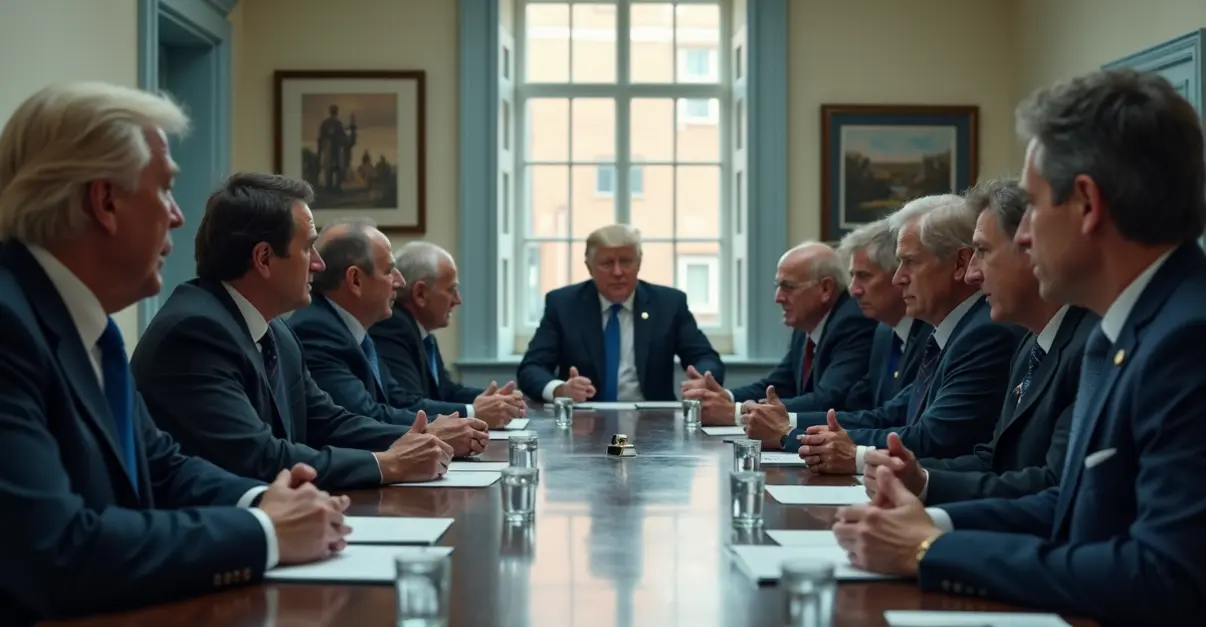
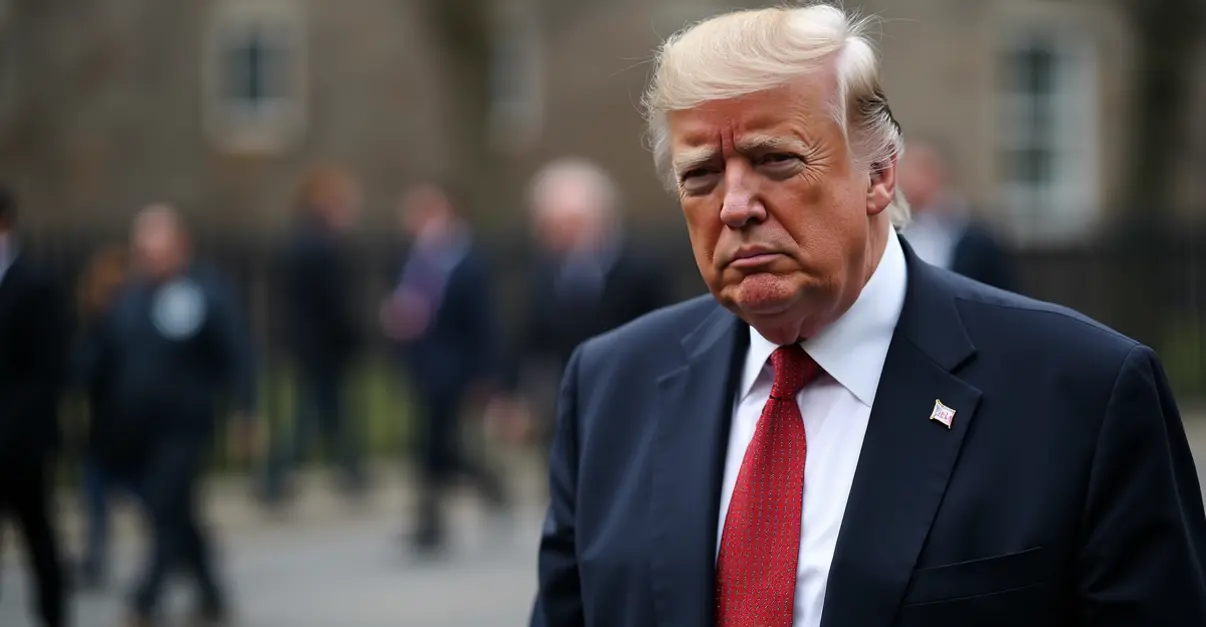
European Council President António Costa has called an emergency summit of EU leaders following US President Donald Trump's announcement of punitive tariffs targeting eight European nations over the Greenland dispute. The extraordinary meeting, tentatively scheduled for Thursday, comes as transatlantic tensions reach unprecedented levels over Trump's renewed push to acquire the autonomous Arctic territory.
Tariff Threats and European Solidarity
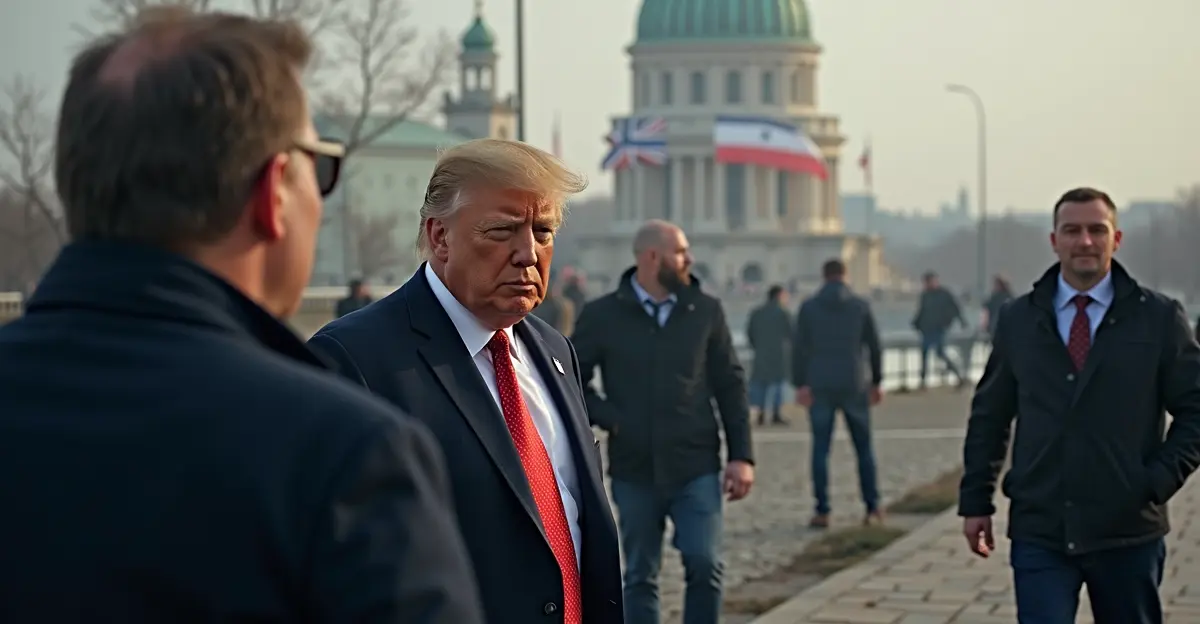
Trump announced on Saturday that he would impose a 10% tariff on goods from eight European countries starting February 1, escalating to 25% from June 1 if his demand for the "complete and total purchase" of Greenland isn't met. Six of the targeted nations—Germany, France, the Netherlands, Denmark, Sweden, and Finland—are EU members, while the United Kingdom and Norway also face the threatened tariffs.
'The EU is prepared to defend itself against any form of coercion,' Costa stated following consultations with member states. 'These tariffs would undermine transatlantic relations and are incompatible with our trade agreements.'
Military Presence and NATO Implications
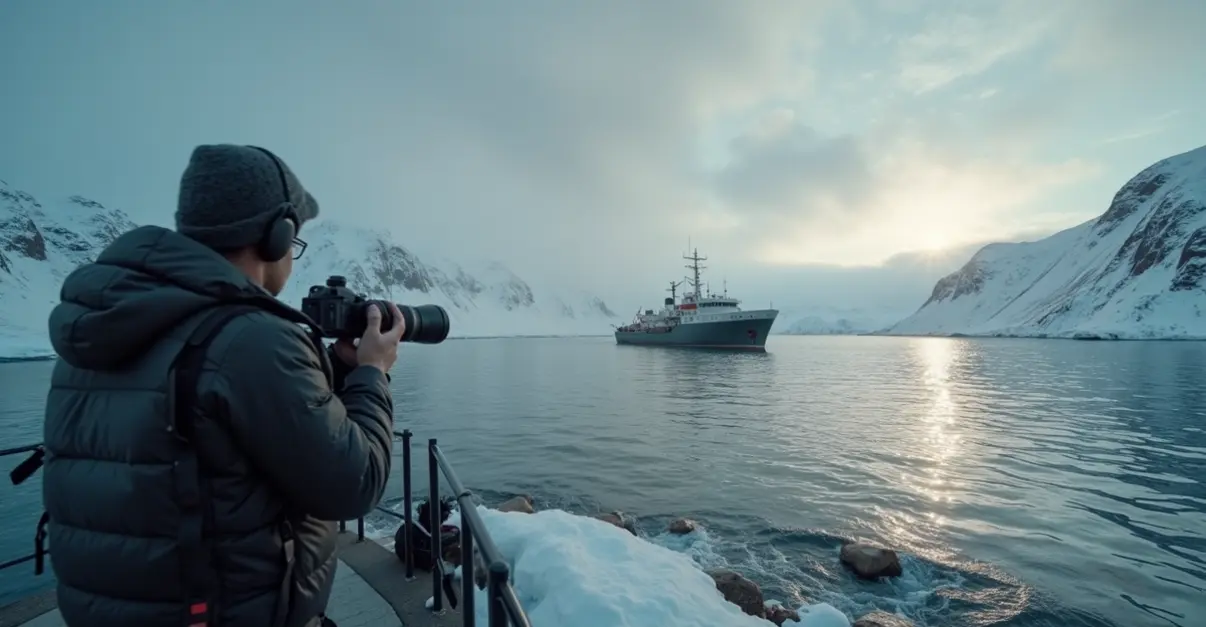
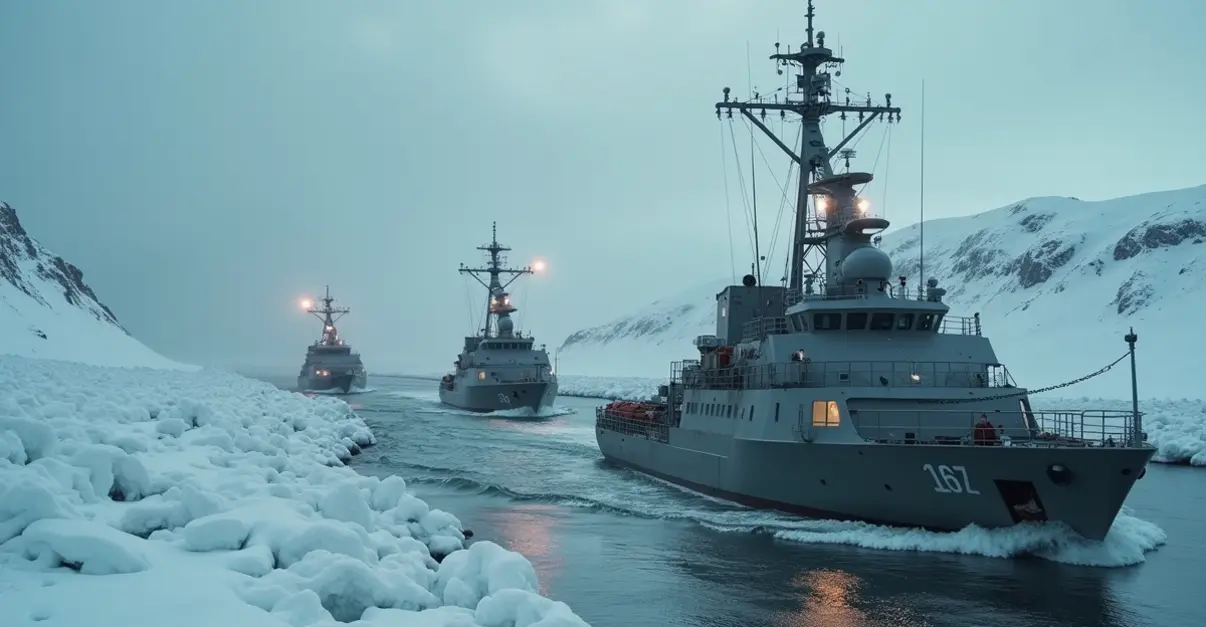
The tariff announcement follows increased European military presence in Greenland, which Trump has strongly criticized. In a post on his Truth Social platform, he described the deployment of troops from eight NATO allies to the Arctic island as 'a very dangerous situation for the Safety, Security, and Survival of our Planet.'
The affected nations issued a joint statement on Sunday warning of a 'dangerous downward spiral' resulting from Trump's actions. All eight countries are NATO members, creating an extraordinary situation where the alliance's leading power is threatening economic measures against its own partners.
Greenland's Strategic Importance
Greenland, an autonomous territory within the Kingdom of Denmark, has become a flashpoint in Arctic geopolitics. The island's strategic location and potential mineral resources have made it a target of US expansionist ambitions. According to Wikipedia, the US has discussed obtaining Greenland since the 19th century, with Trump reviving these ambitions during both his presidencies.
Greenlandic authorities have repeatedly stated that the territory is 'not for sale,' with polls showing approximately 85% of Greenlanders oppose American takeover. The territory's self-government act of 2009 provides a pathway to independence from Denmark, but current leadership has chosen to remain within the Danish realm rather than face potential US annexation.
EU's Potential Countermeasures
According to The Irish Times, the emergency summit will consider retaliatory measures including €93 billion worth of counter-tariffs on US trade and potentially invoking the EU's Anti-Coercion Instrument to restrict US multinationals' operations in Europe. This would represent one of the most significant trade confrontations in EU-US history.
NATO Secretary General Mark Rutte is scheduled to meet with ministers from Greenland and Denmark on Monday to address the growing crisis. The situation has drawn criticism even from within Trump's own Republican party, with some lawmakers expressing concern about threatening military action against NATO allies.
As European leaders prepare for Thursday's emergency summit, the Greenland dispute represents not just a territorial conflict but a fundamental test of transatlantic relations and international law in an increasingly contested Arctic region.