Nederlands
 English
 Deutsch
 Français
 Español
 Português





Recovery Efforts Continue After Spain's Deadliest Rail Disaster in Over a Decade
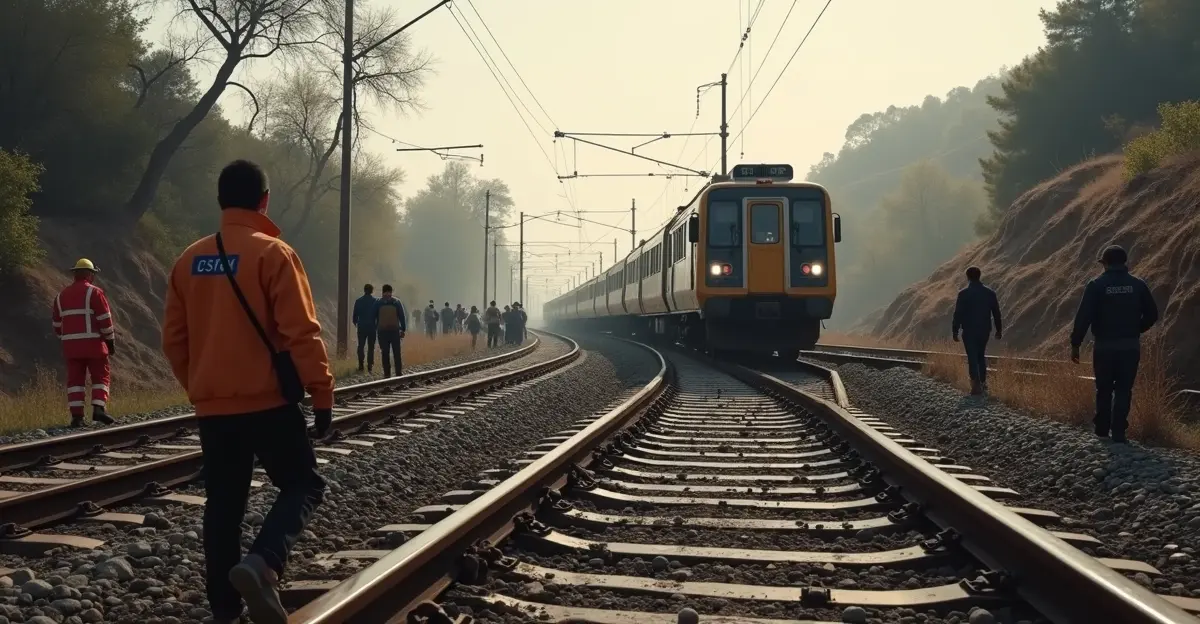
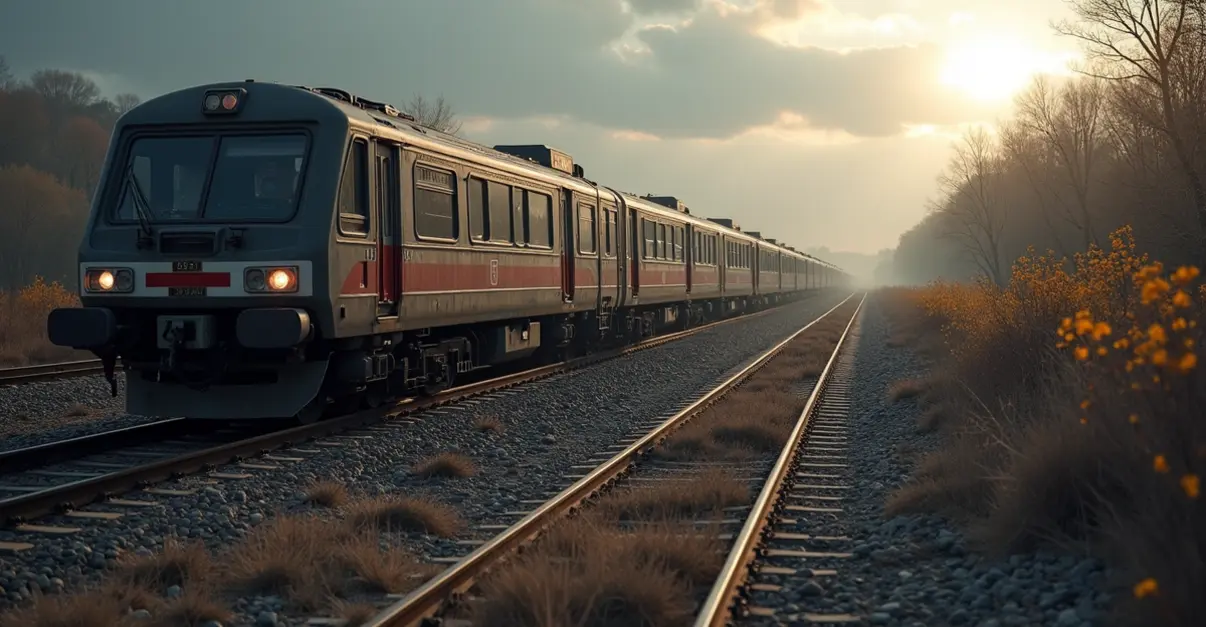
Spanish emergency services have recovered three more bodies from the wreckage of two high-speed trains that collided near Adamuz, Córdoba, on Sunday evening. The bodies were extracted from the mangled carriages and transported to the Forensic Institute in Córdoba for identification, as the search for additional victims continues in what has become Spain's worst railway disaster since 2013.
Mounting Casualties and Ongoing Search
The death toll from the catastrophic collision now stands at 41, with 122 injured, 37 of whom remain hospitalized. Ten victims are in intensive care, including a pregnant woman. So far, only ten of the deceased have been formally identified, leaving families in agonizing uncertainty.
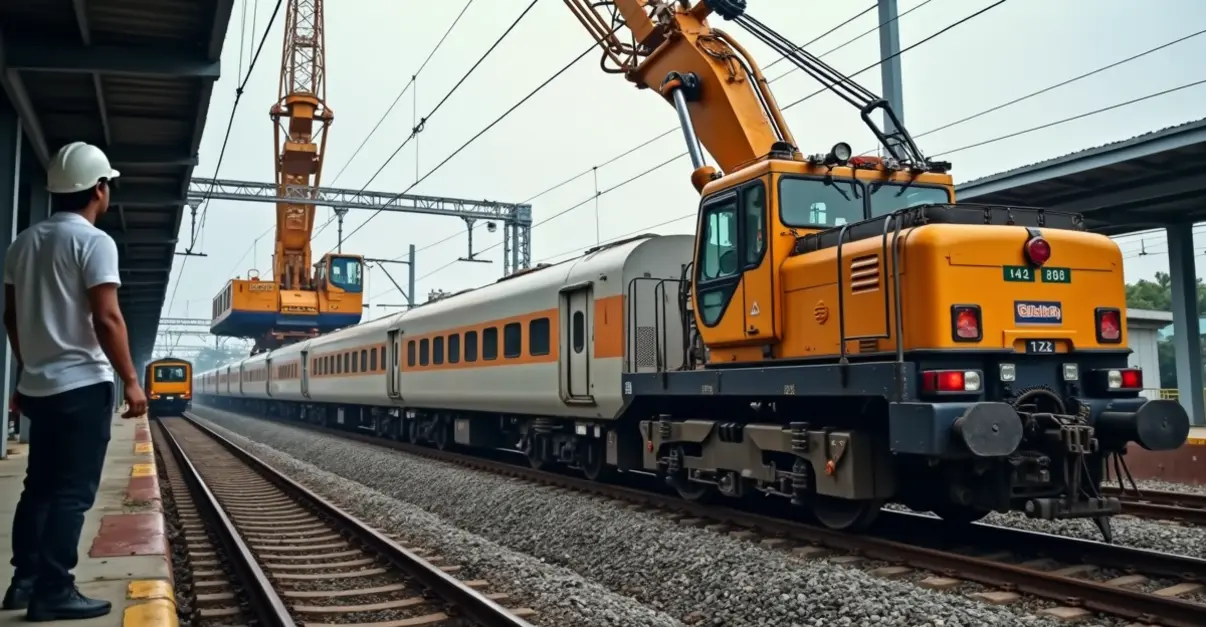
Rescue teams are using heavy machinery to lift and move the severely damaged train carriages, as not all compartments have been thoroughly searched. 'We are working around the clock to ensure no victim is left behind,' said a spokesperson for the emergency services. 'The priority is recovering the bodies with dignity and providing answers to the families.'
National Mourning and Royal Visit
Spain has declared three days of national mourning following the tragedy. King Felipe VI and Queen Letizia visited the crash site on Monday, observing recovery operations and speaking with rescue workers. They also thanked a 16-year-old boy from Adamuz who was among the first responders, helping pull survivors from the wreckage.
Railway workers from Renfe and infrastructure manager Adif observed five minutes of silence in workshops and stations across the country to honor their deceased colleagues and other victims. 'The atmosphere was heavy with grief,' reported a witness at one memorial.
Heartbreaking Personal Stories Emerge
As details emerge, personal tragedies are coming to light. A six-year-old girl was found wandering alone along the tracks after the crash. Her parents, brother, and cousin all perished in the accident. The family had been returning from watching The Lion King musical in Madrid. The girl has been taken to her grandmother in Córdoba.
In another devastating case, a 79-year-old woman traveling with her son, nephew, and two grandchildren—all returning from the same musical—was the only family member to die. Her body remained trapped in the wreckage until Monday afternoon. Her son posted an emotional video online, saying, 'Family is everything. Cherish every moment.'
Forty-seven people remain officially missing, including a cardiologist whose phone was found at the scene but whose body has not been located.
Safety Measures and Investigation
In response to the disaster, Adif has imposed temporary speed restrictions on a 150-kilometer section of the high-speed line between Madrid and Barcelona, limiting trains to 160 km/h after drivers reported bumps on the track. 'This is a precautionary measure for safety,' stated an Adif official. 'We will not take any risks following Sunday's tragedy.'
Investigators are examining a faulty rail weld as a possible cause, despite the track having been renovated in May 2025 with a €700 million investment. The crash involved an Iryo train derailing and being struck by an oncoming Renfe train. Both were traveling below the 250 km/h speed limit. Spain's high-speed network is the largest in Europe and second globally, making this accident particularly shocking.
For more information on the accident, visit Wikipedia's coverage.