Deutsch
 English
 Español
 Français
 Nederlands
 Português






Horror on the Rails: Eyewitness Accounts from Spain's Deadly Train Crash
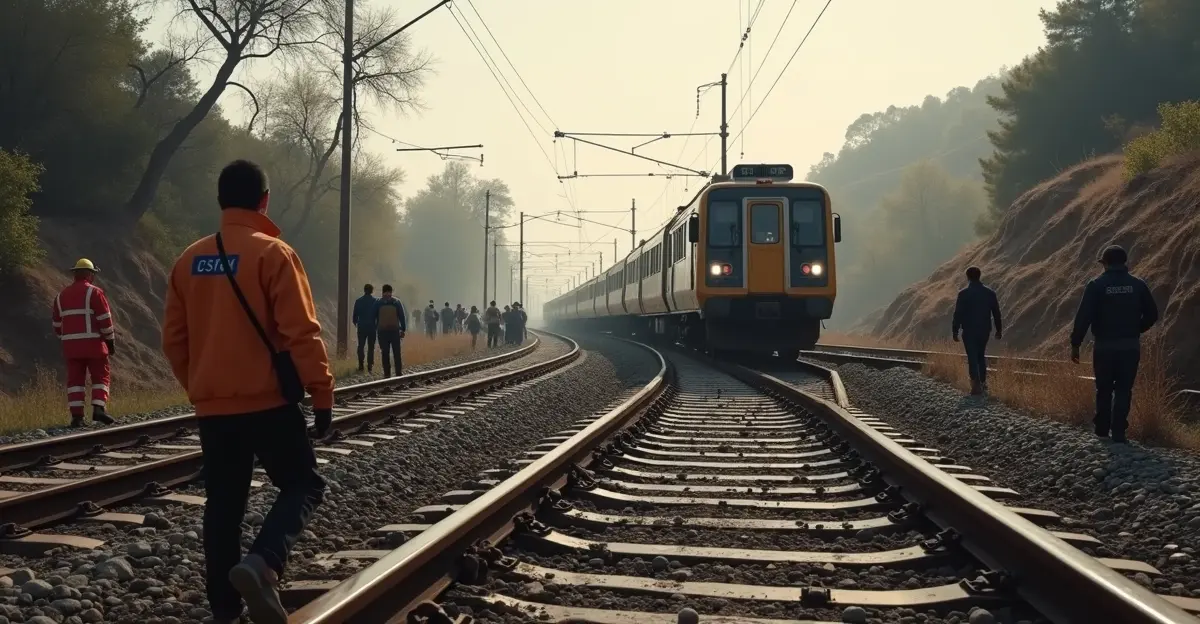
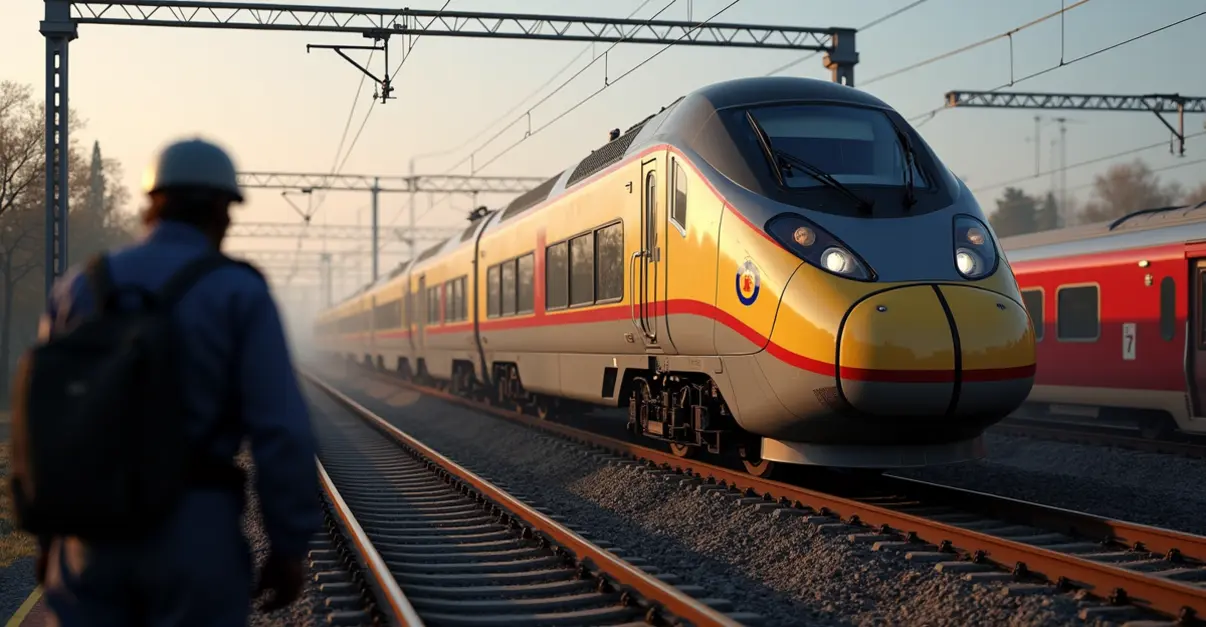
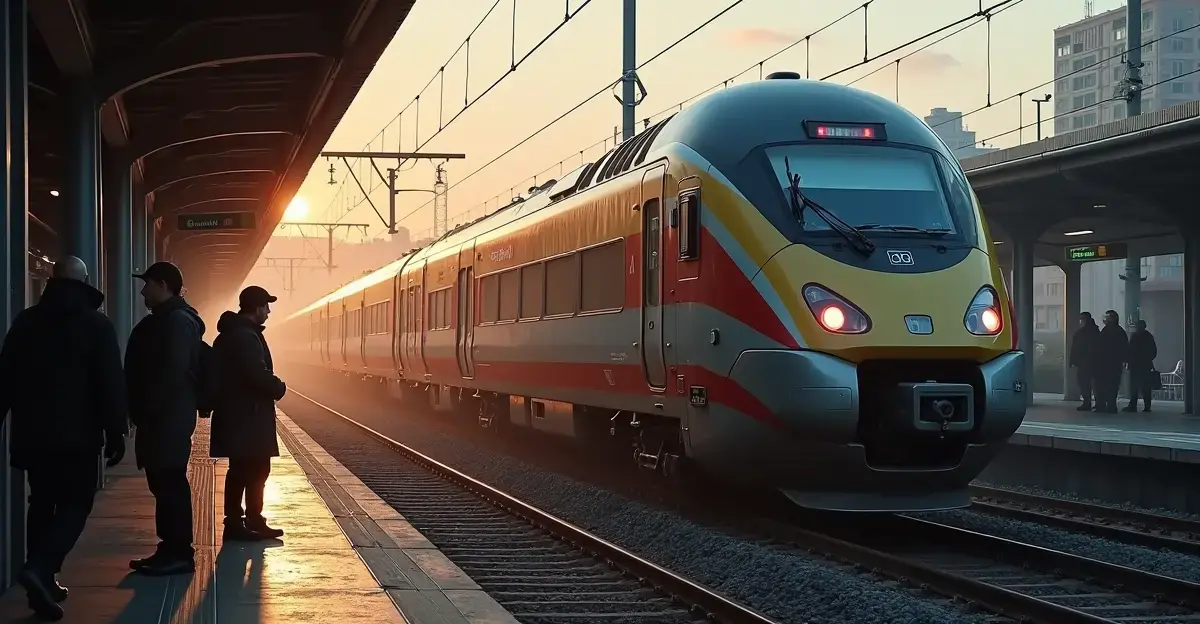
Survivors of Spain's deadliest train accident in over a decade have described scenes of sheer terror as two high-speed trains collided near Adamuz, Córdoba province, leaving at least 39 dead and 152 injured. The crash occurred on Sunday evening when an Iryo train traveling from Málaga to Madrid derailed and crossed onto the opposite track, where it was struck by an oncoming Renfe train heading from Madrid to Huelva.
'It Was Like a Horror Movie'
María Jiménez, a passenger on the Málaga-Madrid train, described the moment of impact as 'It was like a horror movie'. Speaking to Spanish public broadcaster RTVE, she recalled sudden braking followed by screaming passengers. 'I had a panic attack and thought I might wake up from a bad dream at any moment,' Jiménez said. 'This is something you never expect to experience.'
Rocío Flores, who was traveling on the Madrid-Huelva train with approximately 300 other passengers, suffered head and rib injuries and was hospitalized in Córdoba. 'I'm in pain everywhere and covered in bruises. It was terrible. We were thrown through the air,' she told El País.
Chaotic Rescue Efforts
Another passenger, Santiago from Huelva, described the immediate aftermath: 'When I got off the train, I saw a dead person. We tried to reach the front carriage, but it was a wreck.' He told El País that it took about an hour for emergency services to arrive, with Guardia Civil officers appearing 'overwhelmed' by the scene.
The impact was so severe that the first two carriages of the southbound train plunged down a 4-meter embankment. Rescue operations were complicated by the remote location, accessible only by a single-track road.
Spain's High-Speed Network Under Scrutiny
The accident has raised serious questions about safety on Spain's extensive high-speed rail network, which at 3,973 kilometers is the longest in Europe and second only to China's globally, according to Wikipedia. The track where the accident occurred had been renovated in May 2025, and both trains were reportedly traveling within the 250 km/h speed limit.
Spanish Prime Minister Pedro Sánchez has promised a 'thorough and completely transparent' investigation. Transport Minister Óscar Puente has urged people not to speculate on social media about the cause, which remains unknown.
Families in Anguish
At Adamuz town hall, where survivors were being cared for, desperate family members searched for missing loved ones. Ramón Montón from Huelva was looking for his Cuban wife, Tamara Margarita Valdés, who was traveling on the Madrid-Huelva train. 'I'm very nervous, it took me three hours to get here from Huelva,' he told El País. 'I spoke to her twenty minutes before the accident, she almost missed the train.'
Transport companies have opened two helplines for relatives, while emergency services have asked unharmed passengers to use the hashtag #Estoybien (I'm okay) on social media to notify their families.
National Mourning
Spain has declared three days of official mourning, with a minute's silence observed nationwide at noon on Monday. The country is in shock, with many realizing they could easily have been on those trains themselves. 'Because the rail network is so good, it's heavily used,' noted Spain correspondent Miral de Bruijne. 'Everyone sympathizes with the victims, but people also realize they could have been on that train.'
Airlines have added extra flights between Madrid and Málaga to help stranded passengers, while the search for bodies continues in the surrounding area. Andalusia's president reported that bodies had been found hundreds of meters from the crash site due to the incredible force of the impact.