Nederlands
 English
 Deutsch
 Français
 Español
 Português





NATO Allies Seek Arctic Security Solution as Greenland Crisis Deepens
Greenland and Denmark have intensified diplomatic efforts to establish a NATO mission in the Arctic region, meeting with NATO Secretary-General Mark Rutte in Brussels to discuss the escalating security crisis. The move comes as former US President Donald Trump continues to threaten annexation of the autonomous Danish territory, creating unprecedented tensions within the Western alliance.
High-Level Meetings in Brussels
Danish Defense Minister Troels Lund Poulsen and Greenland's Foreign Minister Vivian Motzfeldt held critical talks with Rutte, emphasizing the Arctic's strategic importance to collective security. 'We discussed how important the Arctic - including Greenland - is to our collective security and how Denmark is stepping up investments in key capabilities,' Rutte posted on X following the meeting. The NATO chief stressed continued cooperation but remained non-committal about specific military deployments.
The Greenlandic and Danish officials also met with EU foreign policy chief Kaja Kallas, who affirmed European solidarity. 'Denmark and Greenland are not alone,' Kallas wrote, describing Arctic security as a shared interest requiring consultation with the United States.
Trump's Escalating Threats
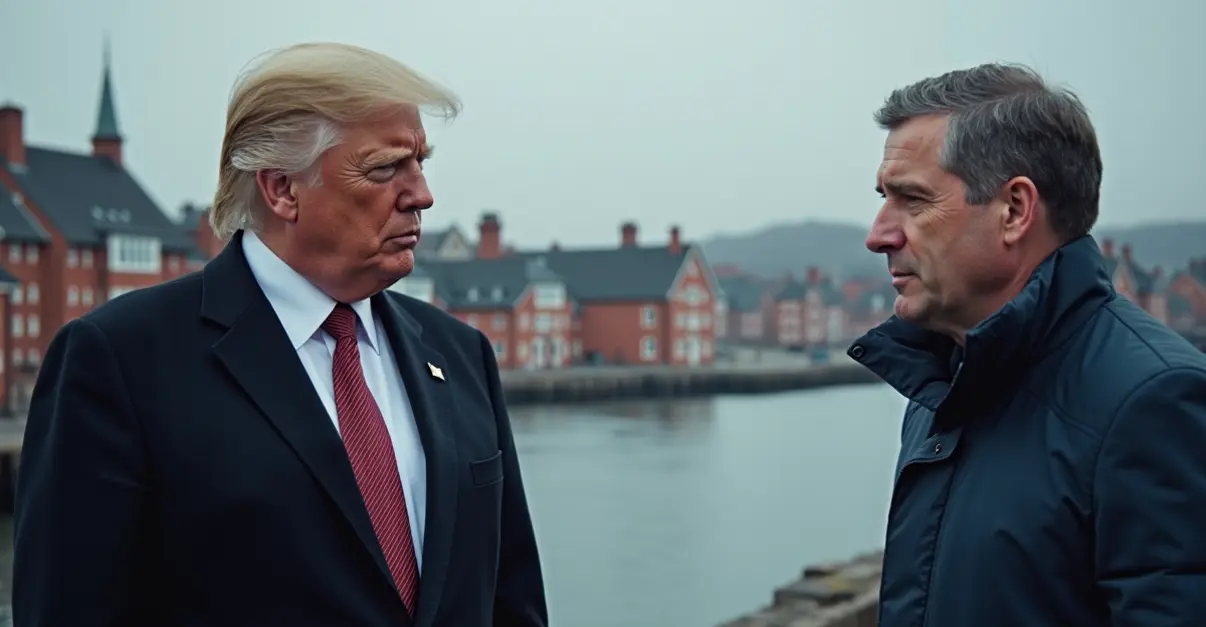
The diplomatic push follows Trump's renewed threats to acquire Greenland 'by any means necessary,' including potential military intervention. The former president has linked his aggressive stance to not receiving the Nobel Peace Prize, stating he no longer feels 'obligated to pursue peace alone' and can now focus on 'what's good for the US.'
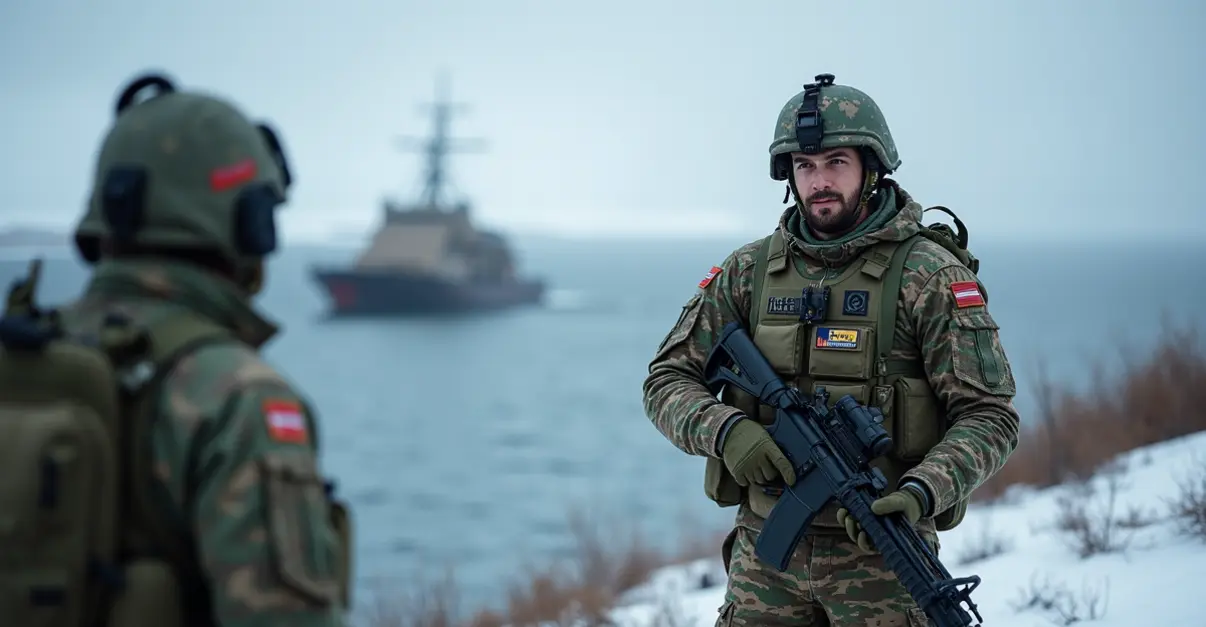
Trump's administration has already imposed 10% tariffs on goods from eight European countries that sent military personnel to Greenland for reconnaissance missions, including Germany, France, Sweden, Norway, and the Netherlands. The proposed NATO mission, dubbed 'Arctic Sentry,' would formalize this military presence with enhanced surveillance and defense capabilities.
European Response and NATO Dilemma
European leaders have rallied behind Denmark and Greenland, with an emergency EU summit scheduled to discuss countermeasures against US tariffs. 'We are not seeking conflict, but we will stand our ground,' Kallas stated, emphasizing Europe's range of instruments to protect its interests.
The crisis places Rutte in a delicate position, as the United States remains NATO's most powerful member. Analysts warn that US military action against Greenland would effectively end the alliance, while diplomatic solutions remain elusive.
Greenland's Political Status
Greenland, the world's largest island, enjoys extensive autonomy within the Kingdom of Denmark but relies on Copenhagen for defense and foreign policy. According to historical records, 85% of Greenlanders oppose American control, viewing their relationship with Denmark as integral to national identity.
Greenlandic Prime Minister Múte Bourup Egede emphasized the importance of inclusive dialogue, stating discussions must occur 'in a way that involves us and respects our own responsibility for the country's development.'
Strategic Arctic Importance
The Arctic's growing geopolitical significance, driven by melting ice opening new shipping routes and access to natural resources, has transformed Greenland into a strategic flashpoint. The US maintains its northernmost military base at Pituffik (formerly Thule Air Base) under a 1951 defense agreement, but Trump seeks greater control over the entire territory.
As reports indicate, the proposed Arctic Sentry mission would enhance NATO's presence while attempting to address US security concerns without compromising Greenlandic sovereignty.
Path Forward
With fundamental disagreements persisting between Washington and European capitals, Danish Foreign Minister Lars Løkke Rasmussen called for moving 'the dialogue from social media platforms like Truth Social to meeting rooms.' However, recent talks in Washington failed to bridge differences, leaving NATO to navigate its most severe internal crisis since its founding.
The coming weeks will determine whether the alliance can maintain unity while addressing both Arctic security challenges and unprecedented threats from within its own ranks.