

 Deutsch
 English
 Español
 Français
 Nederlands
 Português

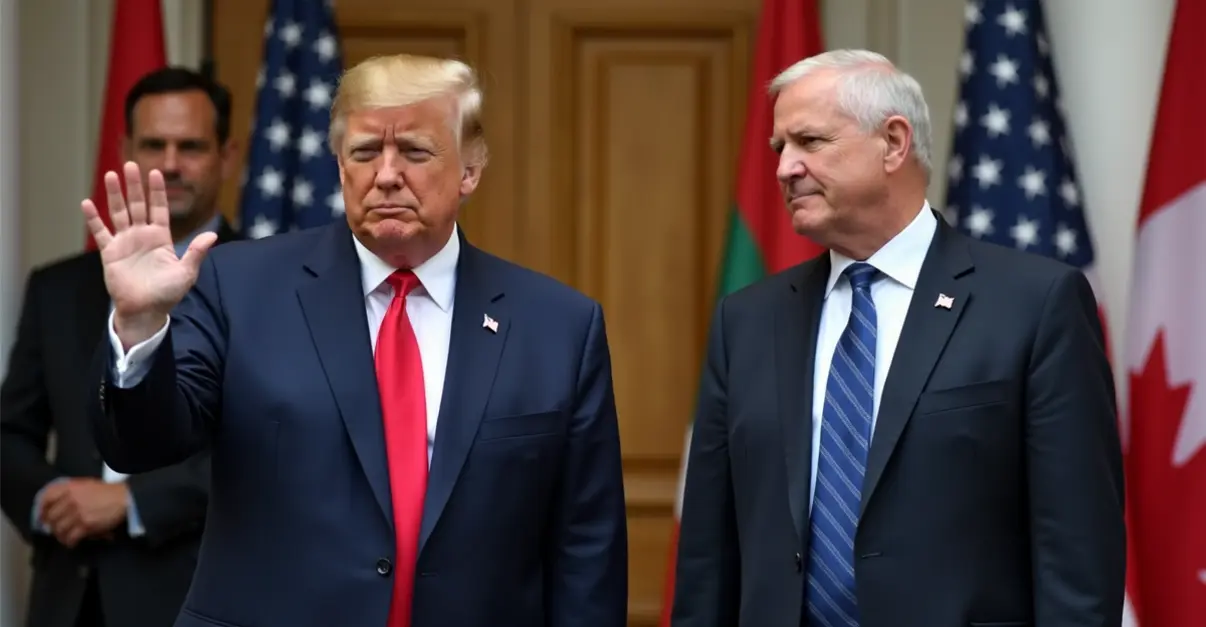





Trump Escalates Tensions with Canada Over Critical Davos Speech
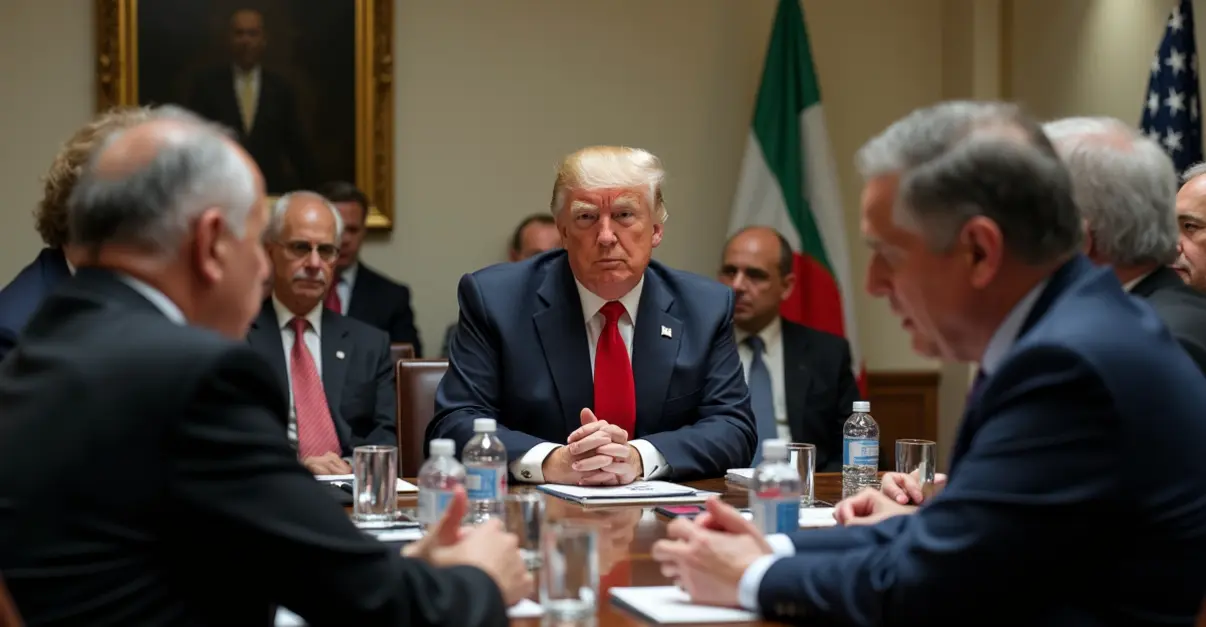
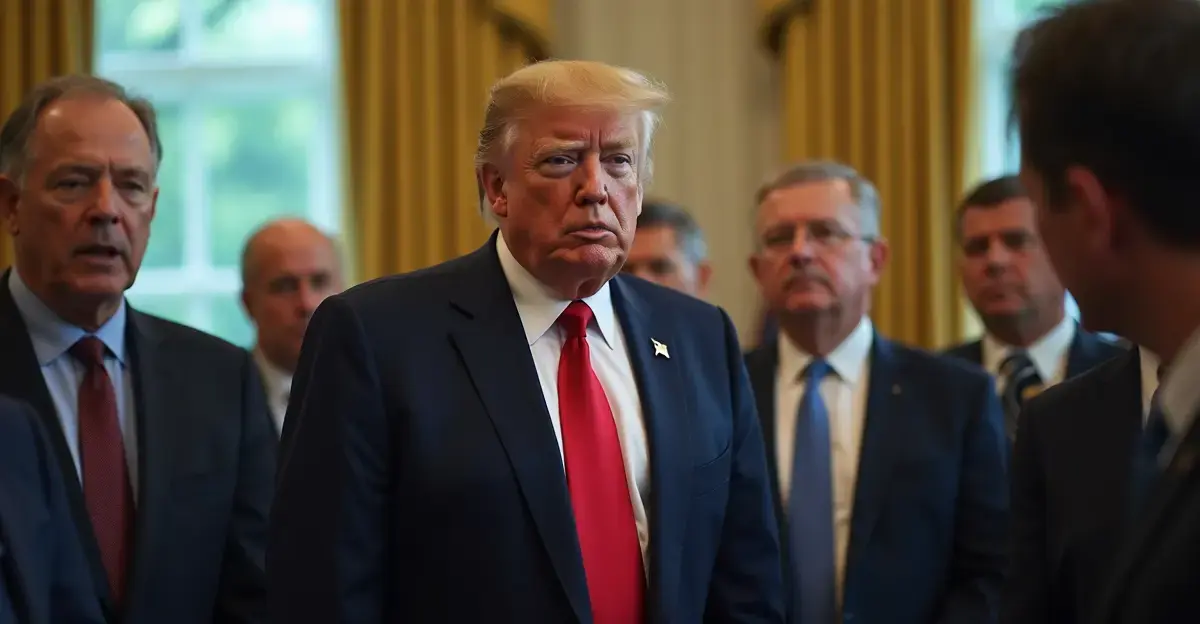
In a dramatic escalation of diplomatic tensions, former U.S. President Donald Trump has withdrawn Canada's invitation to join his newly established 'Board of Peace' (also called the Peace Council) following Canadian Prime Minister Mark Carney's critical speech at the World Economic Forum in Davos. The move, announced via Trump's Truth Social platform, represents a significant deterioration in U.S.-Canada relations during Trump's second term.
The Speech That Sparked the Conflict
Prime Minister Carney's Tuesday address at Davos warned of a 'rupture in the world order' and criticized what he described as authoritarian leaders undermining international law. 'The strong do what they can and the weak suffer what they must,' Carney stated, echoing Thucydides' famous observation about power dynamics in international relations. Although he didn't mention Trump by name, the speech was widely interpreted as direct criticism of Trump's foreign policy, particularly in the context of ongoing tensions over Greenland.
Carney, a former Governor of the Bank of Canada and Bank of England who became Canada's 24th prime minister in 2025, called on middle powers to unite against what he sees as a breakdown of the rules-based international order. 'That old agreement no longer holds,' he warned, referring to traditional power structures.
Trump's Retaliation and Peace Council Ambitions
Trump responded swiftly, first with verbal attacks claiming Canada 'owes its existence' to the United States and should show more gratitude for American military and economic support. The withdrawal of the Peace Council invitation represents a more concrete punishment. The Peace Council, Trump's signature international initiative, was formally established on January 22, 2026, with Trump serving as its chairman.
Originally conceived to oversee Gaza reconstruction, the council has expanded its ambitions. According to White House statements, it aims to 'transform Gaza from a conflict-ridden region into one defined by opportunity, hope, and vitality.' Trump has even suggested the council could eventually make the United Nations 'obsolete.'
International Reactions and Council Membership
The council's composition reveals much about Trump's diplomatic priorities. Founding members include Trump-aligned leaders like Hungary's Viktor Orbán and Argentina's Javier Milei, alongside representatives from Pakistan, Paraguay, and Armenia. Notably, Russia has received an invitation but wants to 'consult with strategic partners' before committing.
Several key U.S. allies have declined participation. Britain and France have already indicated they don't want to be part of it, while Poland and Italy want parliamentary approval first. Spain's Prime Minister Pedro Sánchez recently declined with a polite 'Thanks, but no thanks.' As NBC News reported, Britain specifically cited Trump's invitation to Russian President Vladimir Putin as a concern.
Broader Implications for U.S.-Canada Relations
This incident represents just the latest deterioration in U.S.-Canada relations during Trump's second term. Trump has previously referred to Canada as the '51st state' and imposed tariffs on Canadian goods. Meanwhile, Carney's government has strengthened ties with China, recently signing a trade agreement reducing tariffs on Canadian agricultural products while increasing Chinese electric vehicle imports to Canada.
The Peace Council itself remains controversial, with a permanent seat reportedly costing $1 billion - a fee Canada had already refused to pay. Trump has appointed himself as the council's leader for life, telling reporters in Davos that 'in theory it's for life, but I don't know if I want that.'
As of now, Carney's office hasn't issued a formal response to the withdrawn invitation, but the diplomatic rift between these North American neighbors appears to be widening at a critical moment in international relations.
Follow Discussion