

 Deutsch
 English
 Español
 Français
 Nederlands
 Português

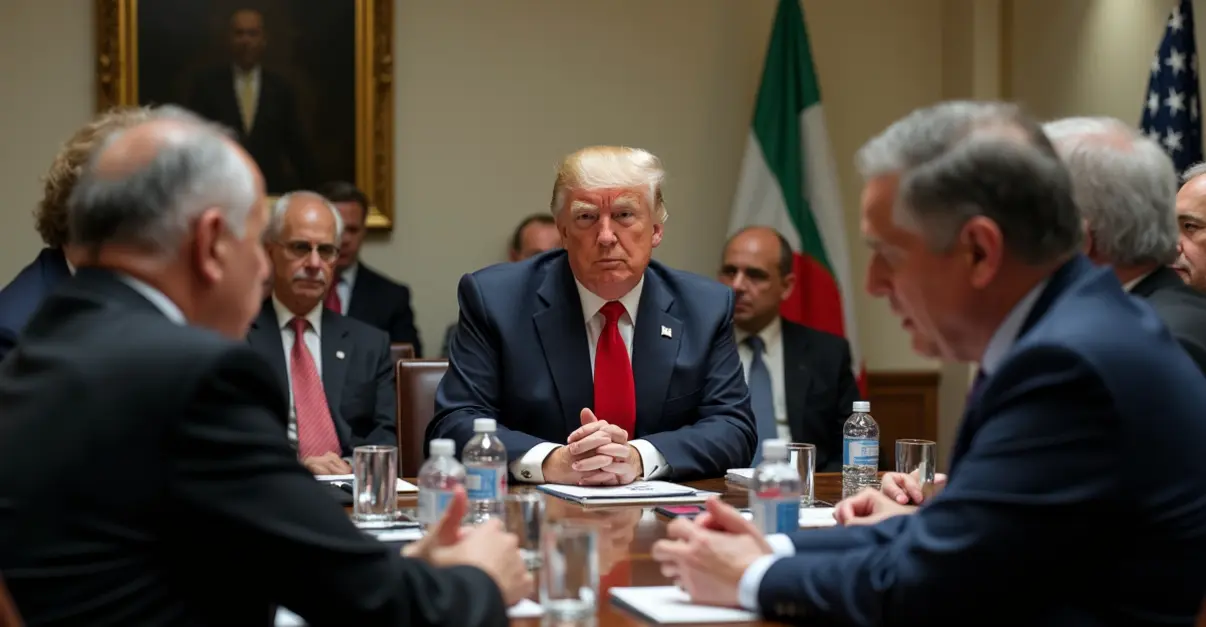





Global Reactions to Trump's Ambitious Peace Initiative
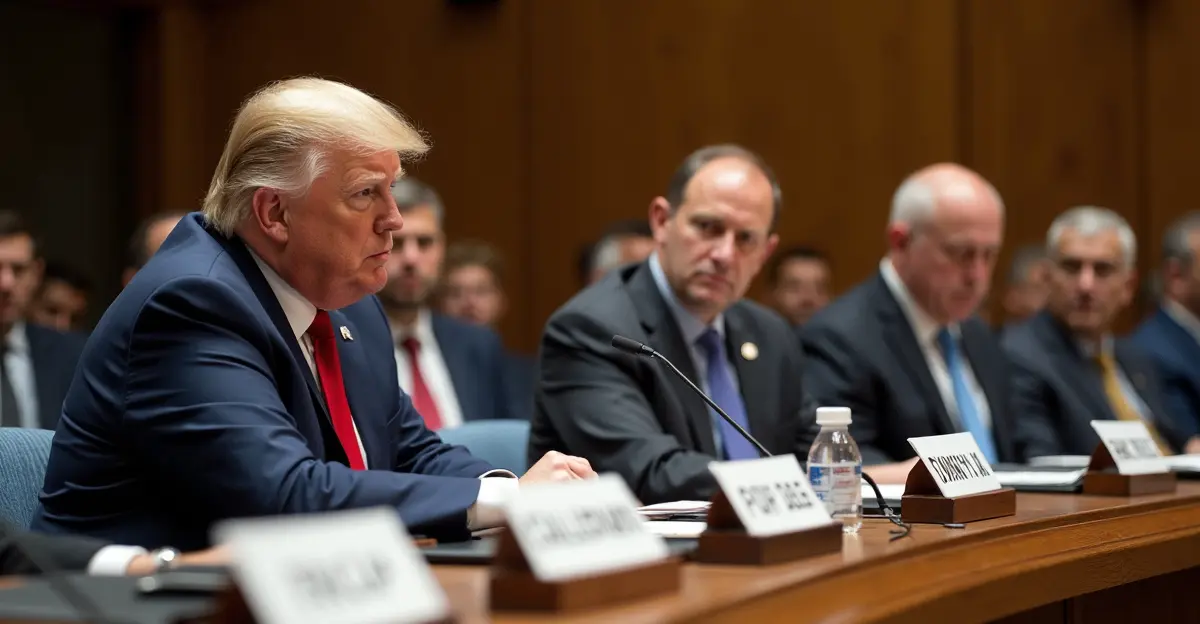
World leaders are responding with a mix of enthusiasm and skepticism to invitations from U.S. President Donald Trump to join his newly announced 'Board of Peace.' The initiative, part of Phase Two of Trump's 20-point Comprehensive Plan to End the Gaza Conflict, has seen invitations extended to approximately 60 nations including Australia, Canada, France, the United Kingdom, Russia, Belarus, Paraguay, Cyprus, and Albania.
Controversial Membership and Financial Requirements
The board, which Trump will chair personally, comes with unprecedented financial requirements. Countries seeking permanent membership must contribute $1 billion, while standard membership lasts three years with renewal at Trump's discretion. 'This represents the largest and most prestigious board ever assembled, at any time and any place,' Trump declared on social media.
Mixed International Responses
Reactions have been sharply divided. Russia and Belarus, typically shunned by Western nations due to the Ukraine war, have acknowledged receiving invitations. Kremlin spokesperson Dmitry Peskov stated 'the invitation is being studied,' while Belarusian leader Alexander Lukashenko has 'welcomed' the offer.
However, France has reportedly rejected the invitation, with sources telling Reuters the initiative 'raises many questions about the role of the United Nations, a role that cannot be called into question.' Anonymous Western diplomats expressed concern that Trump's board could undermine the UN's authority.
Prominent Figures and Supporting Boards
The Board of Peace will be supported by two subsidiary councils. The Founding Executive Board includes high-profile figures like former British Prime Minister Tony Blair, Trump's son-in-law Jared Kushner, U.S. Secretary of State Marco Rubio, and Special Envoy for the Middle East Steve Witkoff.
The Gaza Executive Board features former Dutch Deputy Prime Minister and UN envoy Sigrid Kaag, who will oversee transitional governance in Gaza. Other invited leaders include Hungarian Prime Minister Viktor Orbán, Jordan's King Abdullah, Argentine President Javier Milei, and Turkish President Recep Tayyip Erdoğan.
Gaza Focus and Broader Ambitions
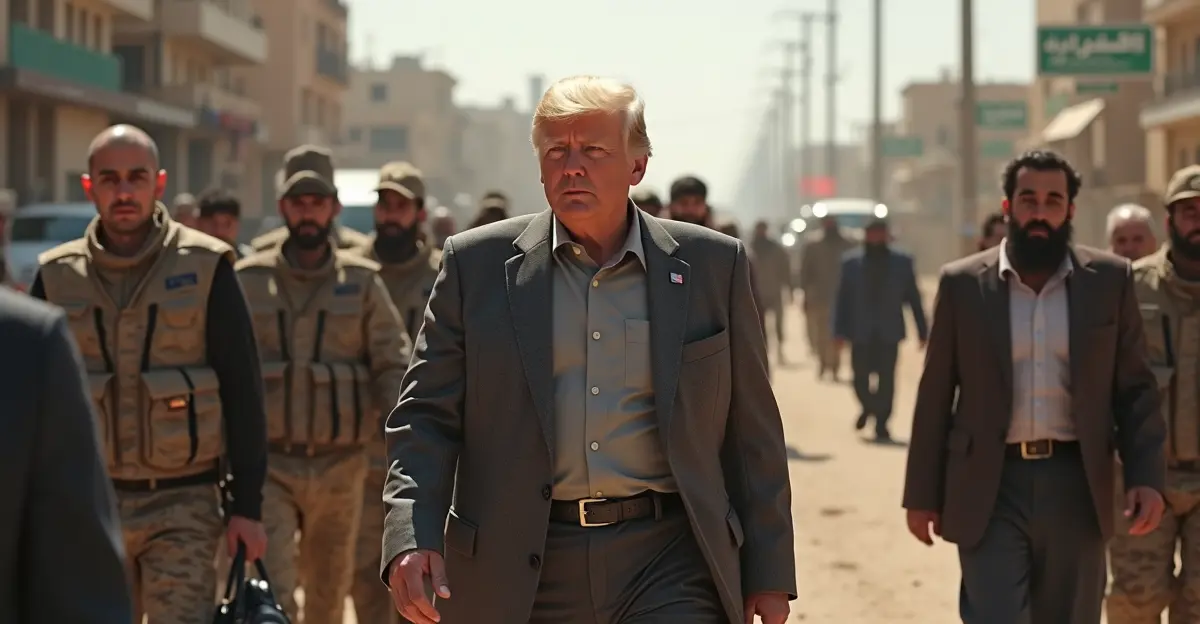
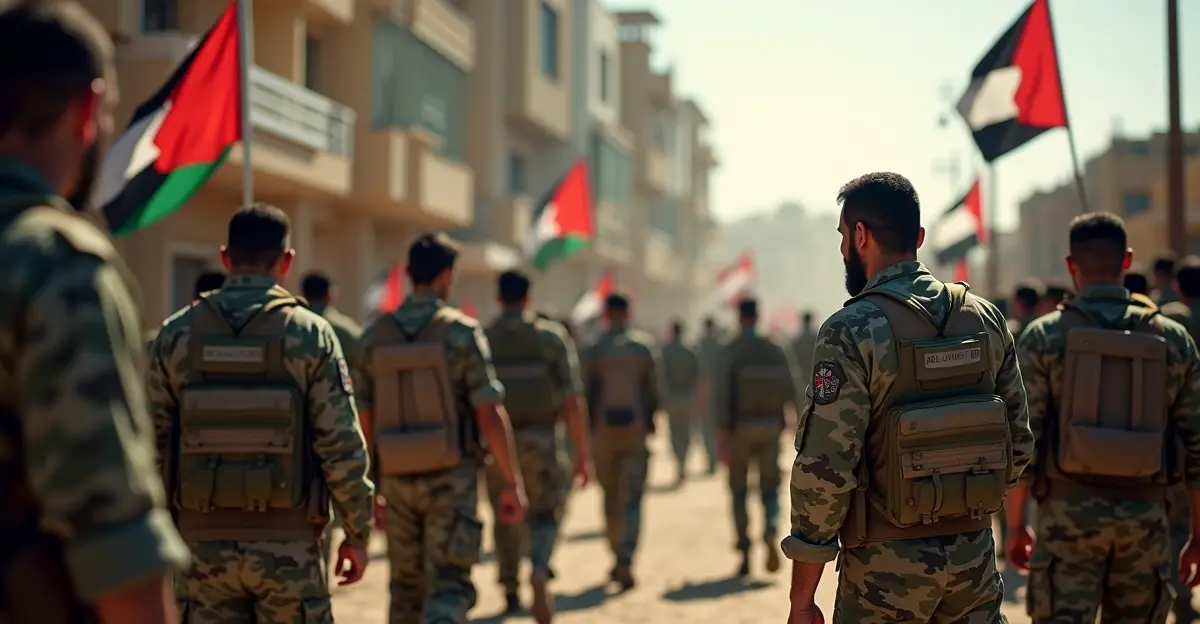
While the board's initial focus is Gaza reconstruction and governance, a draft charter reviewed by The New York Times notably omits any mention of Gaza, suggesting broader ambitions. The plan establishes a Palestinian technocratic government called the National Committee for the Administration of Gaza (NCAG), led by Dr. Ali Sha'ath, to govern during transition.
Israeli Prime Minister Benjamin Netanyahu has expressed displeasure at the absence of Israeli officials from the board's leadership, though Qatar and Turkey have representation. Canadian Prime Minister Mark Carney accepted 'in principle' but emphasized that unimpeded humanitarian aid to Gaza remains a precondition.
UN Response and International Concerns
UN Secretary-General António Guterres responded cautiously, stating 'member states are free to unite in different groups' while affirming that 'the United Nations will always continue to carry out their mandate.' The initiative comes amid ongoing conflict in Gaza, with over 450 killed since a shaky ceasefire began three months ago.
As world leaders weigh their responses, Trump's ambitious peace initiative faces significant diplomatic challenges, balancing between ambitious reconstruction goals and concerns about undermining established international institutions.
Follow Discussion