

 Deutsch
 English
 Español
 Français
 Nederlands
 Português

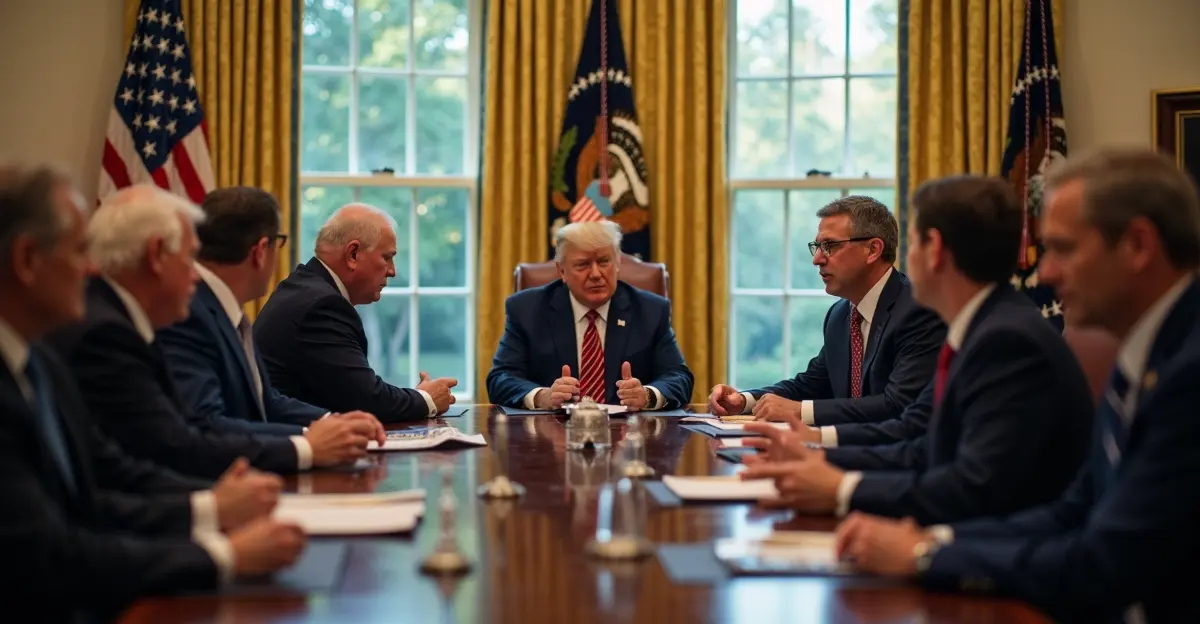





Trump's Billion-Dollar Peace Board: A New Global Order?
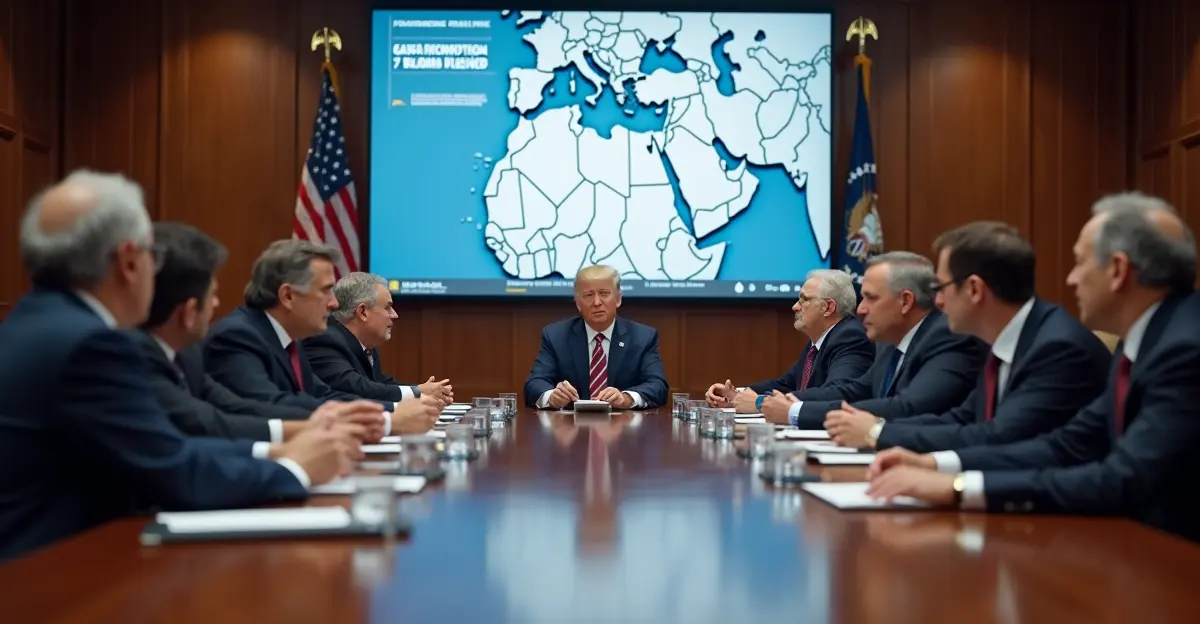
President Donald Trump has unveiled a controversial new international framework that's raising eyebrows across diplomatic circles worldwide. His newly established 'Board of Peace' for Gaza comes with an unprecedented price tag: countries must pay $1 billion for permanent membership, or accept three-year terms that can be extended at Trump's discretion as chairman.
The Billion-Dollar Membership Fee
The concept, detailed in a White House statement on January 16, 2026, represents a radical departure from traditional multilateral diplomacy. According to documents reviewed by Bloomberg, the board aims to 'promote stability, restore reliable and lawful governance, and ensure sustainable peace in areas affected or threatened by conflicts.' However, the financial requirement has drawn sharp criticism.
'It's the Trump United Nations, ignoring the fundamental principles of the UN Charter,' one European diplomat told Reuters anonymously. Three other Western diplomats expressed concerns that the board could undermine the existing United Nations system if implemented.
High-Profile Appointments and Structure
The board's executive leadership reads like a who's who of international diplomacy and business. Former British Prime Minister Tony Blair, Trump's son-in-law Jared Kushner, U.S. Secretary of State Marco Rubio, and special Middle East envoy Steve Witkoff have all been appointed to key positions. The Gaza Executive Board includes Turkish Foreign Minister Hakan Fidan, Qatari diplomat Ali Al Thawadi, UAE Minister Reem Al-Hashimy, and Israeli-Cypriot billionaire Yakir Gabay.
Notably, former UN Middle East peace coordinator Sigrid Kaag has also accepted a role in the special Gaza council. Canadian Prime Minister Mark Carney has confirmed receiving an invitation and says he will accept 'in principle,' though financial details need to be worked out. 'Canada will do everything possible to alleviate suffering in Gaza,' Carney stated, according to CBC News.
European Skepticism and Global Implications
The initiative has met with particular skepticism in European capitals. As reported by Firstpost, most European governments have responded cautiously or remained silent, with Hungary being the notable exception that accepted immediately. Critics warn the board creates a parallel power center that challenges UN legitimacy and could draw funding and authority away from established multilateral institutions.
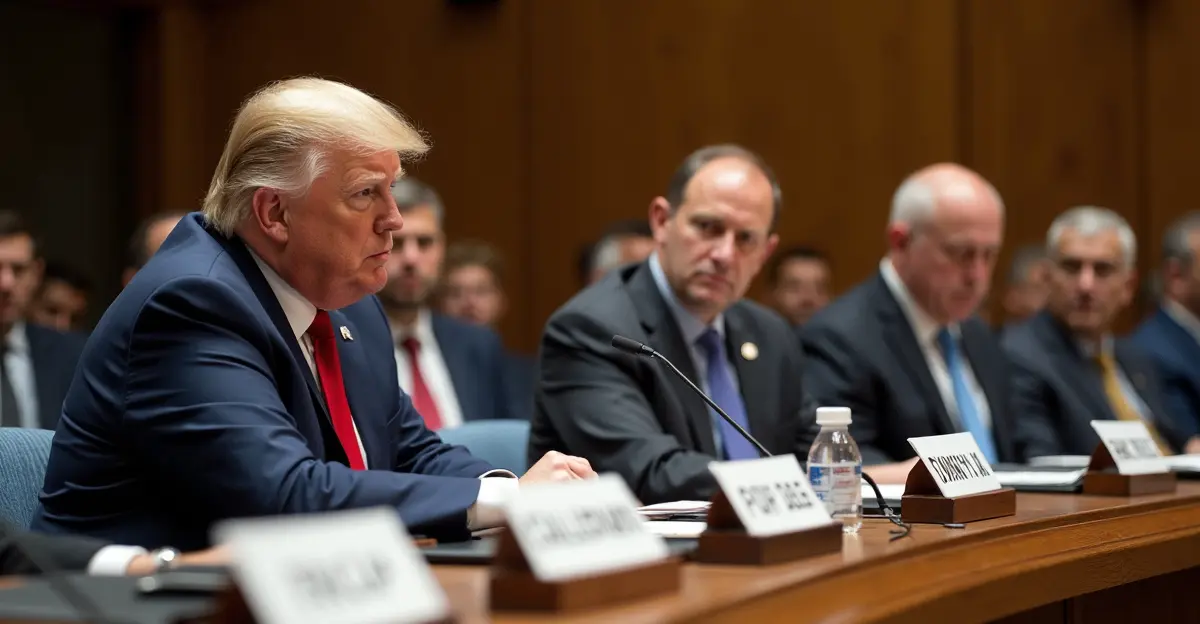
The structure gives Trump significant control: he decides who gets invited for membership, and while the board makes decisions by majority vote, all decisions must also be approved by Trump as chairman. This concentration of power has raised questions about the board's independence and effectiveness.
Gaza Focus and Broader Ambitions
Initially focused on Gaza as part of Trump's 20-point comprehensive plan to end the Gaza conflict, the board has broader ambitions. According to the White House statement, it's designed to address 'areas affected or threatened by conflicts' globally, suggesting it could become a vehicle for Trump's foreign policy initiatives beyond the Middle East.
The board becomes operational once three member states sign its charter. With invitations extended to approximately 60 world leaders, including Jordan's King Abdullah and Pakistan's Prime Minister Sharif, the response from the international community will determine whether this becomes a significant new diplomatic platform or remains a controversial proposal.
As one Western diplomat summarized: 'This represents a fundamental shift in how international peace efforts are structured and funded. Whether it succeeds or fails, it's already changing the conversation about multilateral diplomacy.'
Follow Discussion