

 Deutsch
 English
 Español
 Français
 Nederlands
 Português






Trump's Parallel Peace Council Takes Shape in Davos
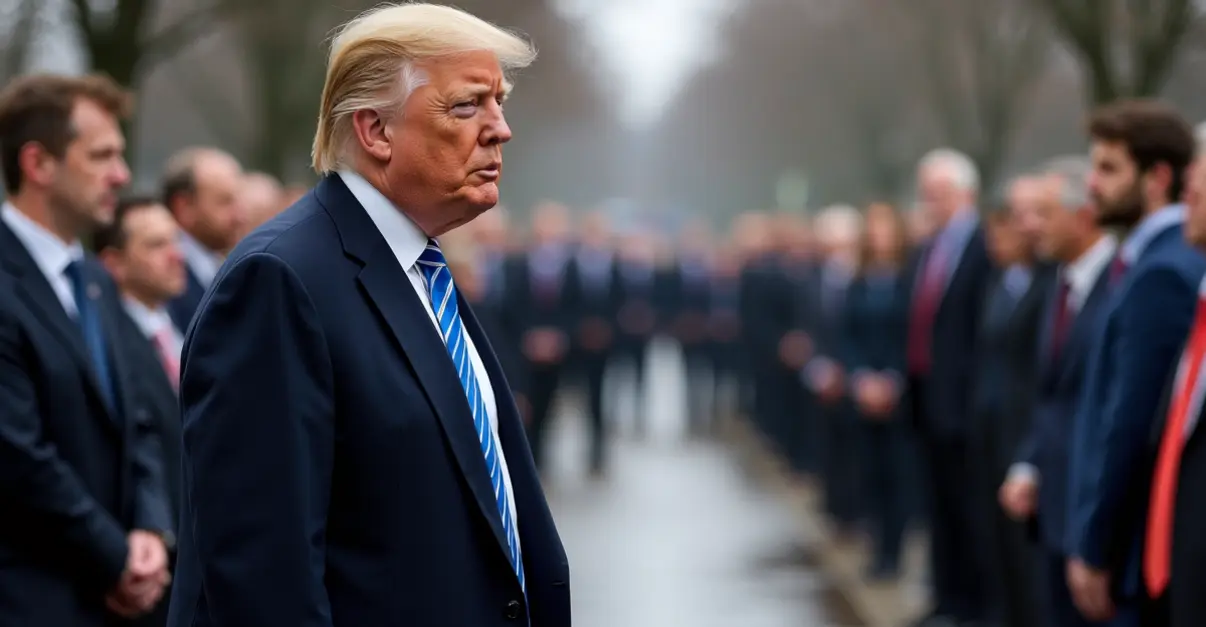
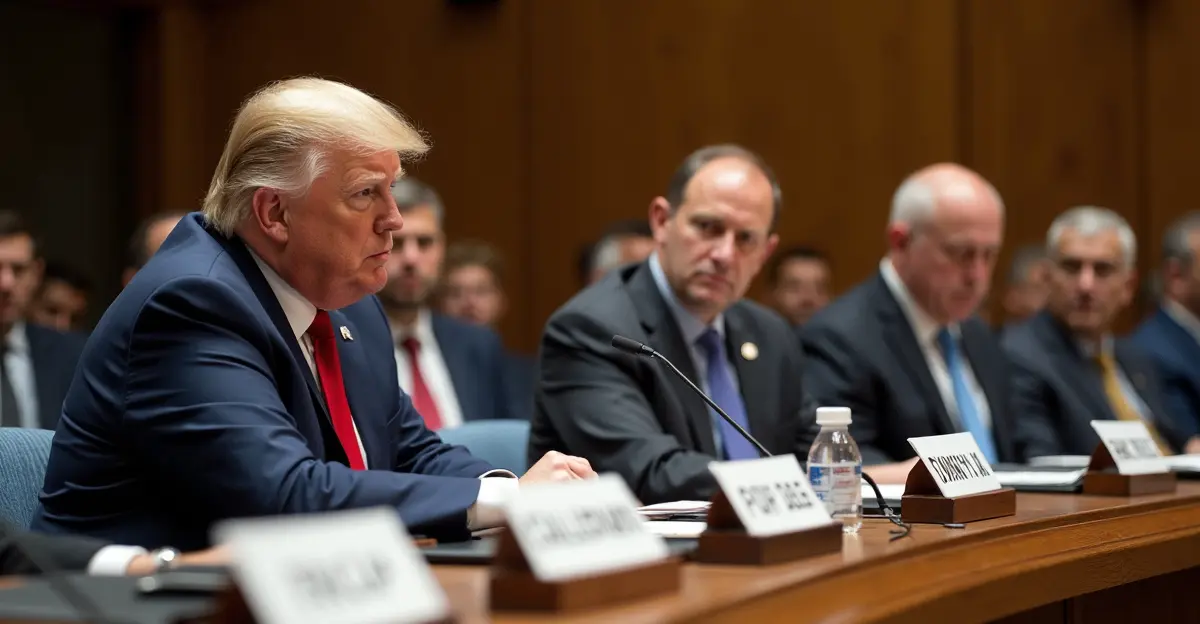
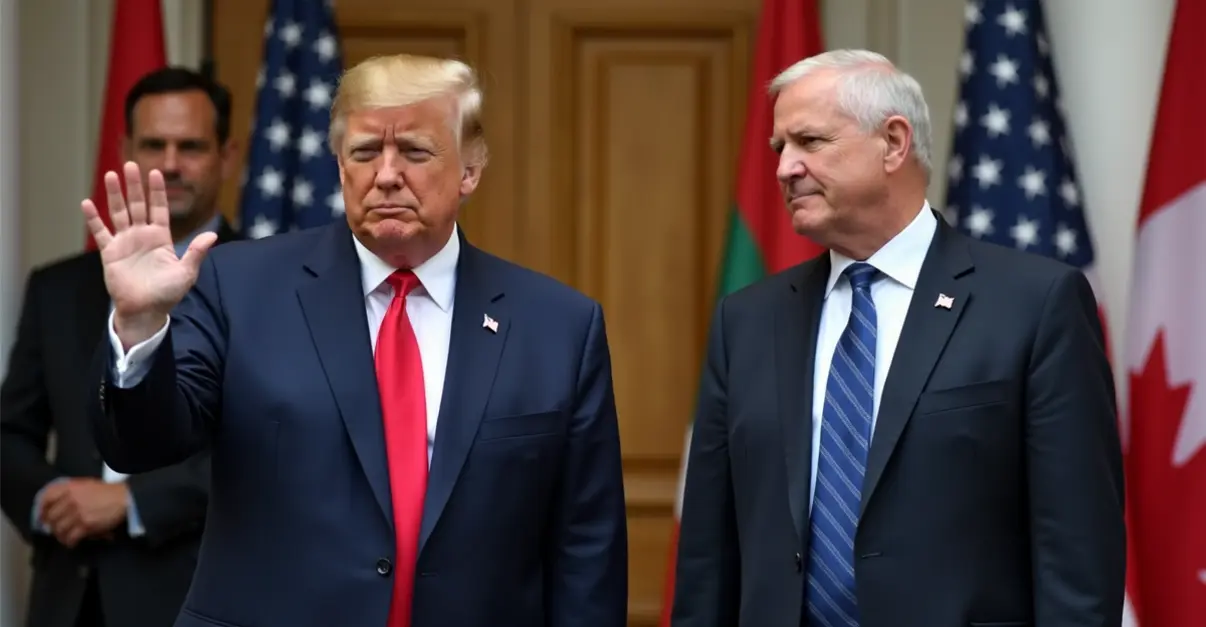
In a ceremony at the World Economic Forum in Davos, Switzerland, former President Donald Trump presided over the signing of the founding charter for his controversial 'Board of Peace' initiative. Representatives from 19 countries, including Middle Eastern nations like Saudi Arabia, UAE, Qatar, and Jordan, along with Hungary as the only European participant, put their signatures on what critics are calling a 'parallel United Nations' with Trump at its helm.
'Everyone wants to be a member,' Trump declared during the ceremony. 'Once this council is formed, we can pretty much do anything we want.' The former president expressed particular satisfaction with the attendees, quipping: 'Usually there are two or three people I can't stand, but I love all these people.'
From Gaza Plan to Global Ambitions
The Board of Peace originated from Trump's 20-point peace plan for Gaza, which received endorsement from the UN Security Council in November 2025 through Resolution 2803. That resolution welcomed the formation of a board to oversee Gaza's reconstruction and demilitarization until 2027. However, recent developments reveal much broader ambitions.
According to documents obtained by news organizations, the board's charter makes no specific mention of Gaza, instead focusing on 'promoting peace, stability, and good governance in (potential) conflict areas' worldwide. The initiative now appears positioned as an alternative mechanism to the UN Security Council for addressing international conflicts.
Expert Criticism and Concerns
International law experts have expressed alarm at the development. Nico Schrijver, emeritus professor of international law at Leiden University, told reporters: 'I've watched this with amazement. What they're presenting now looks like a reckless flight away from the UN.'
Schrijver described the setup as 'almost a parallel Security Council, but with one chairman: Trump, with one working language: English, and with its headquarters at Trump's Mar-a-Lago resort.' He warned that the initiative could undermine not only the UN but also treaties of the International Red Cross and the role of the International Court of Justice in The Hague.
Rob de Wijk, founder of The Hague Centre for Strategic Studies, characterized the initiative as 'a Trump show.' 'He determines who the members are and what the agenda is,' de Wijk noted. 'It's jokingly called Trump's new imperial court, and that's what it is a bit.'
Financial Requirements and Membership
The board comes with significant financial demands. Countries are reportedly being asked to pay $1 billion for permanent board seats, with Trump serving as chair indefinitely with veto power over all decisions. An executive board beneath the main council includes prominent figures like US Secretary of State Marco Rubio, Trump's son-in-law Jared Kushner, former UK Prime Minister Tony Blair, and Dutch politician Sigrid Kaag.
While approximately 60 countries received invitations, notable absences at the signing included China, Russia, Canada, and major European powers like France, Germany, and the United Kingdom. Many European allies have declined participation, citing concerns about undermining established international institutions.
Broader Implications for Global Governance
Joachim Koops, professor of security studies at Leiden University, dismissed the initiative as 'amateurism.' 'The charter could be from a gardening association,' he remarked. 'Where are the staff members, the infrastructure? It's Trump's personal project to make business deals.'
Despite the criticism, some analysts warn that completely ignoring Trump's initiative carries risks. Schrijver suggested that Europe should develop a coordinated response: 'Europe must not let itself be divided. They would do well to discuss a joint reaction at tonight's EU summit.'
The Board of Peace represents the latest challenge to post-World War II international institutions from the Trump administration, continuing a pattern of pursuing alternative diplomatic frameworks outside conventional UN structures. As the initiative moves forward, questions remain about its legitimacy, funding, and relationship to existing multilateral mechanisms that have governed international peace and security for decades.
Follow Discussion