


 Deutsch
 English
 Español
 Français
 Nederlands
 Português


 Share





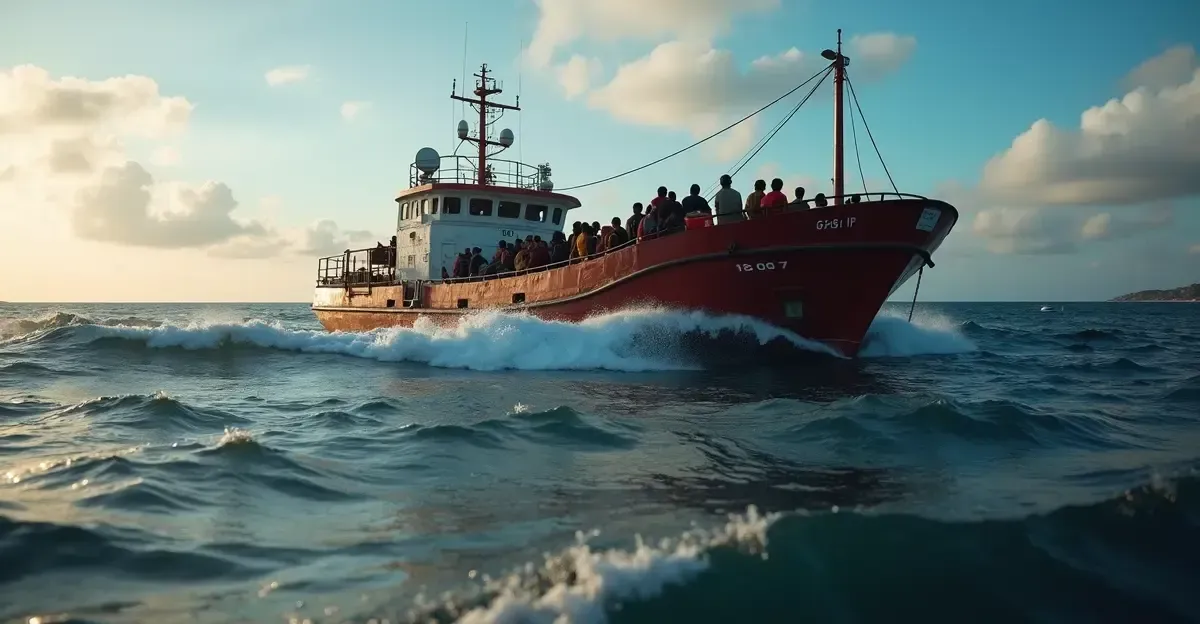
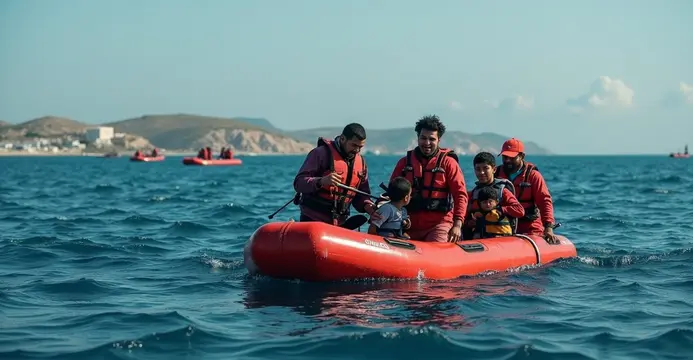
More than 2,100 migrants reached the Canary Islands on 25 November 2026, smashing the previous daily record and prompting a blunt warning from regional president Fernando Clavijo. "Unfortunately, this is a historic day," Clavijo said, as rescue services confirmed that at least 15 overcrowded boats had made landfall, mostly on the small island of El Hierro. One person on board had already died, and a four-day-old baby was among those who had been born at sea.
What Happened on 25 November?
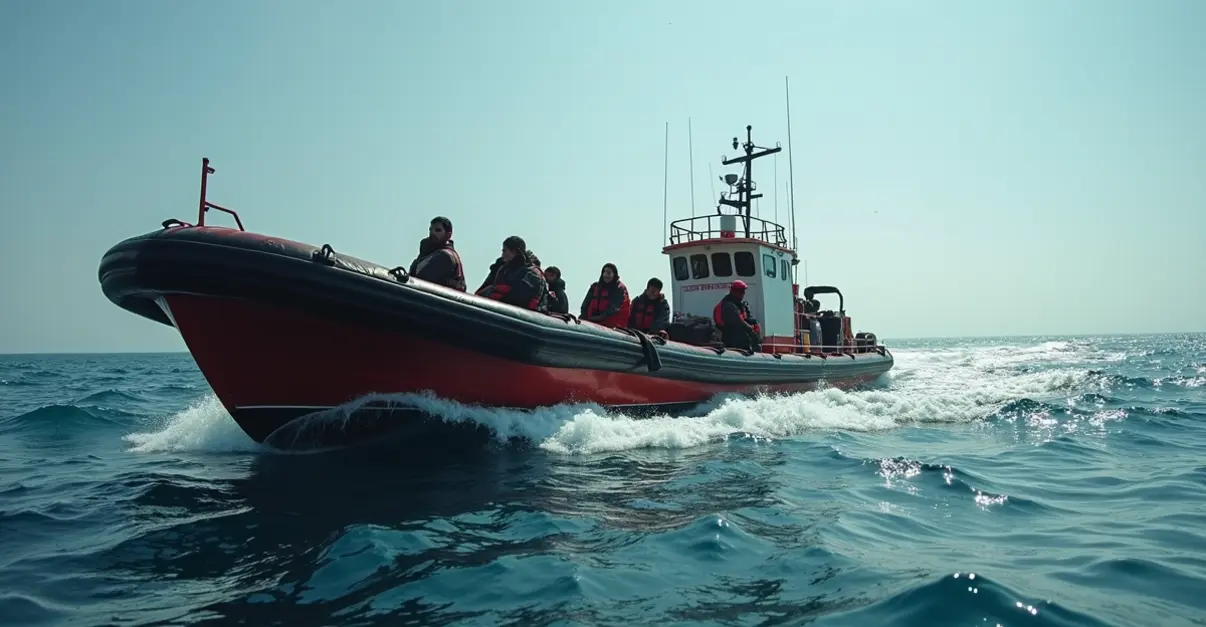
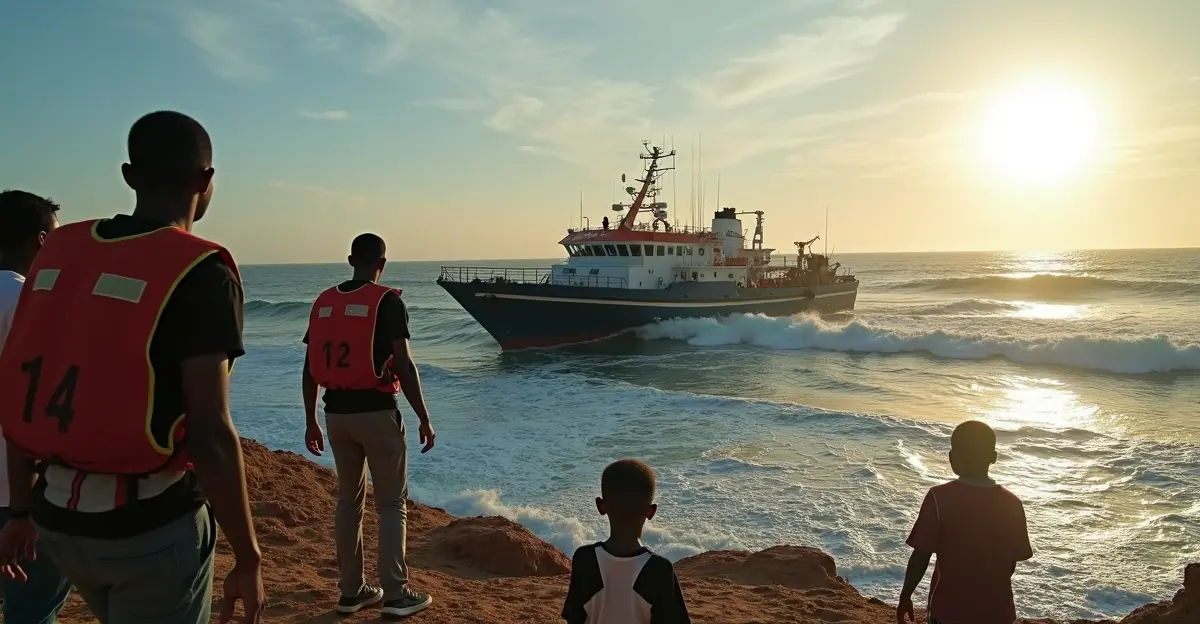
Maritime rescue teams said the migrants travelled on approximately 15 dangerously overcrowded boats, many guided by local authority vessels to El Hierro, the most south-western island in the Spanish archipelago. The previous single-day record, set on 14 November, stood at nearly 1,500 arrivals; the new figure of more than 2,100 represents a jump of roughly 40% in less than two weeks. The Atlantic migration route to Spain has become the busiest and deadliest path for West Africans trying to reach Europe.
- More than 2,100 migrants arrived on 25 November 2026
- Previous record: nearly 1,500 on 14 November 2026
- At least 15 overcrowded boats reached El Hierro
- One person died and a baby was born at sea
- Most boats departed from Senegal and Gambia
Why Are Arrivals Surging in November?
Each year, November is the peak month for West African migrants attempting the Atlantic crossing, because ocean conditions are usually calmer and more favourable. According to Clavijo, most of the boats in the latest wave came from Senegal and Gambia. In recent weeks the number of arrivals on El Hierro has risen sharply, mirroring seasonal patterns seen in previous years but at an unprecedented scale. Experts tracking West African migration patterns note that smugglers often launch multiple boats when weather windows open, creating dangerous spikes in a single day.
Impact on El Hierro and Spain's Response
El Hierro has a population of fewer than 12,000 people and is struggling to cope with the influx. Local authorities have declared a state of emergency, warning that reception centres are overwhelmed and medical and shelter resources are stretched. Spanish Prime Minister Pedro Sánchez seized on the crisis to renew his call for a coordinated European response to migration. He also pledged closer cooperation with Senegal and Gambia to prevent migrant boats from departing in the first place.
The situation has reignited debate over the EU border and migration policy. Spain's maritime rescue services, known as Salvamento Marítimo, worked through the night to escort vessels to port, while NGOs and volunteers provided blankets, food and medical care. The Atlantic route has killed hundreds of people every year, according to the International Organization for Migration (IOM), and campaigners fear the record arrivals will be followed by more tragedies.
FAQ
How many migrants reached the Canary Islands on 25 November 2026?
More than 2,100 migrants arrived, according to Spanish maritime rescue services, breaking the previous daily record of nearly 1,500 set on 14 November.
Where did the migrant boats come from?
Most boats departed from Senegal and Gambia, according to Canary Islands regional president Fernando Clavijo.
Which island received most of the arrivals?
El Hierro, the smallest and most south-western island in the archipelago, received the majority of the boats. The island has declared a state of emergency.
Why do migrant arrivals peak in November?
Ocean conditions on the Atlantic are typically calmer in November, making it the preferred time for smugglers and migrants to attempt the crossing from West Africa to the Canary Islands.
What is Spain doing about the migration surge?
Prime Minister Pedro Sánchez is calling for a European migration strategy and wants to increase cooperation with Senegal and Gambia to stop boats before they depart.

Follow Discussion