


 Deutsch
 English
 Español
 Français
 Nederlands
 Português


 Share
Share




UNHCR Reports 143 Dead, 38 Survivors After 25 Days at Sea
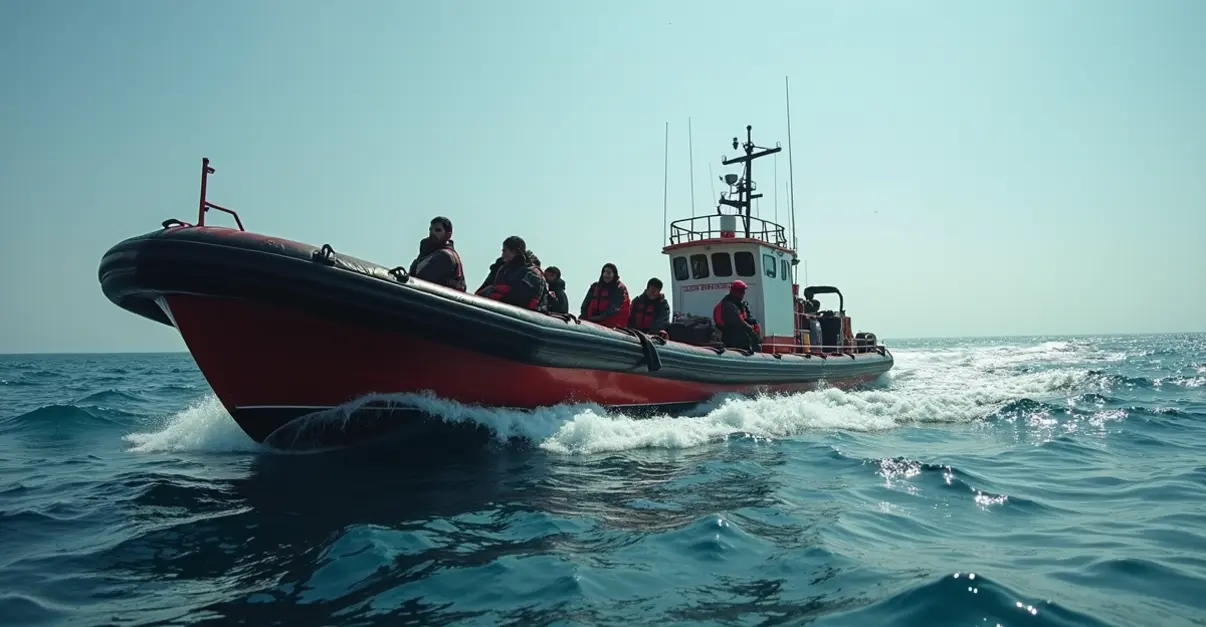
At least 143 people have been found dead aboard a migrant boat that drifted for 25 days off the coast of Mauritania, the United Nations refugee agency (UNHCR) reported on Tuesday. The vessel, which departed from Bufaloto in Gambia, was carrying 38 survivors when it was rescued on July 18 near the port city of Nouadhibou. Among the survivors were two children who lost all their family members during the harrowing journey. The tragedy underscores the extreme dangers of the Atlantic migration route, one of the deadliest sea corridors in the world.
What Happened on the Atlantic Route?
The boat was one of several vessels that encountered severe difficulties between July 14 and July 18, 2026, prompting three major rescue operations by the Mauritanian coast guard. In total, 387 migrants were rescued alive, but 144 people were reported dead or missing across the incidents. The deadliest single incident involved the Gambian boat, which suffered a technical failure and drifted for nearly a month before being discovered. UNHCR spokesperson said: 'Under the survivors were two children who during the journey had lost all their family members and who are now recovering in hospital.'
Why Is the Atlantic Route So Dangerous?
The Atlantic route from West Africa to Spain's Canary Islands has become increasingly deadly. Migrants often travel in fragile wooden fishing canoes (pirogues) that are not designed for the strong ocean currents and unpredictable weather of the open Atlantic. The distance from the West African coast to the Canary Islands can exceed 1,500 kilometers, and a journey can take weeks. Overcrowding, lack of food and fresh water, and engine failures are common. According to UNHCR, the route is 'one of the world's deadliest sea corridors due to long distances, unpredictable ocean conditions, unseaworthy overcrowded boats and limited access to timely rescue.'
Rising Death Toll Despite Fewer Arrivals
Paradoxically, while the number of migrants arriving in the Canary Islands has dropped significantly — just over 40,000 in the first half of 2026 compared to 65,407 in the same period of 2025 — the death rate remains alarmingly high. The EU migration deal with Mauritania has contributed to fewer departures, but those who do attempt the crossing face even greater risks as smugglers use more dangerous tactics and routes.
EU-Mauritania Migration Deal Under Scrutiny
The European Union and Mauritania signed a €210 million partnership in 2024 under the EU's Global Gateway Strategy to curb irregular migration. The deal provides funding for migration management, border control, and development projects aimed at creating opportunities for young people. However, human rights organizations have accused Mauritanian authorities of mistreating migrants and asylum seekers during coastal patrols. The EU migration partnership with Mauritania has been described by experts as 'a clear move by the EU to make Mauritania a buffer against migration to the Canary Islands.' While the measures have reduced the number of boats departing, the recent tragedies highlight that the root causes of migration — poverty, lack of opportunity, and instability — remain unaddressed.
What Is Being Done to Prevent Such Tragedies?
UNHCR has called for expanded legal pathways for migration, including higher resettlement quotas, increased labor mobility, and more educational opportunities. The agency also urges greater investment in search and rescue capacity along the Atlantic route. In a statement, UNHCR said: 'We are deeply saddened and concerned by these latest deaths. The international community must step up to address the root causes driving people to take such dangerous journeys.' The Atlantic migration route dangers continue to claim lives, and without comprehensive action, more tragedies are inevitable.
Frequently Asked Questions
How many migrants died on the Atlantic route in 2026?
As of July 2026, UNHCR reports at least 144 dead or missing off Mauritania in a single week, with total deaths for the year likely much higher.
What countries do the migrants come from?
Most migrants are from Sub-Saharan African countries such as Gambia, Senegal, Guinea, Mali, and Ivory Coast, fleeing poverty, conflict, or lack of opportunity.
Is the EU migration deal with Mauritania working?
The deal has reduced the number of departures, but critics argue it pushes migrants into more dangerous routes and does not address root causes.
What is the Canary Islands migration route?
It is a sea route from West Africa to Spain's Canary Islands, often used by migrants trying to reach Europe. It is considered one of the deadliest migration routes in the world.
How can such tragedies be prevented?
UNHCR recommends expanding legal migration pathways, investing in rescue capabilities, and addressing the economic and security factors that drive migration.

Follow Discussion