


 Deutsch
 English
 Español
 Français
 Nederlands
 Português


 Share





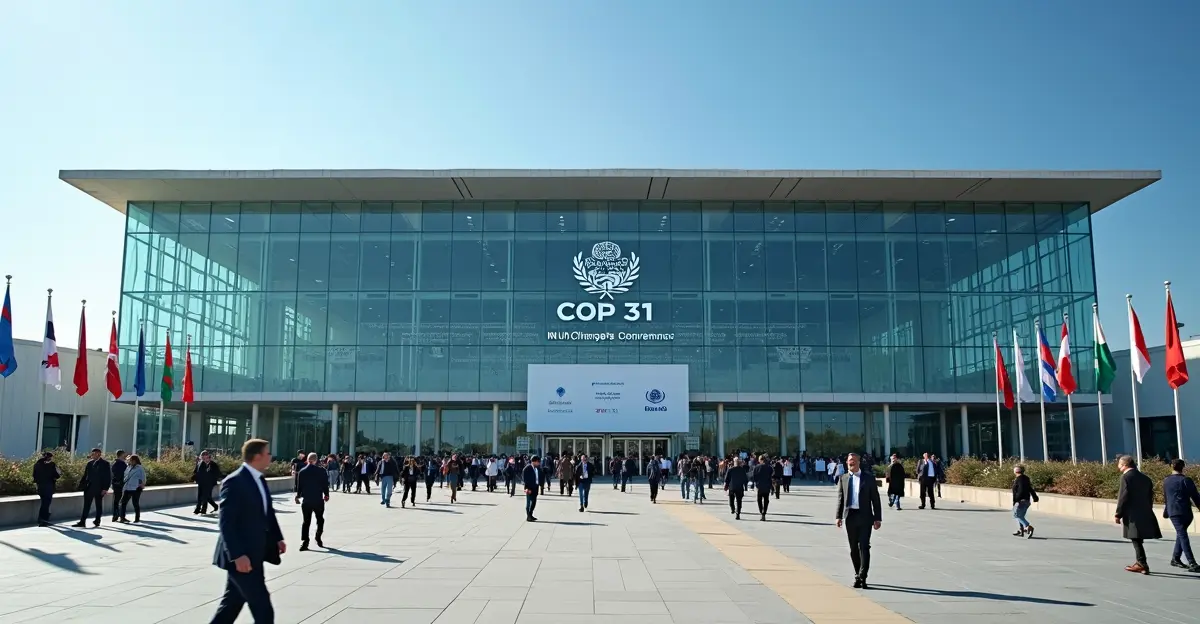
The 2026 climate summit in Antalya, Turkey has collapsed in failure, with more than 190 countries unable to agree on a final text. It is the first time in years that the annual United Nations climate conference has ended without a formal agreement, dealing a severe blow to global efforts to curb climate change.
What Happened at the Turkey Climate Summit?
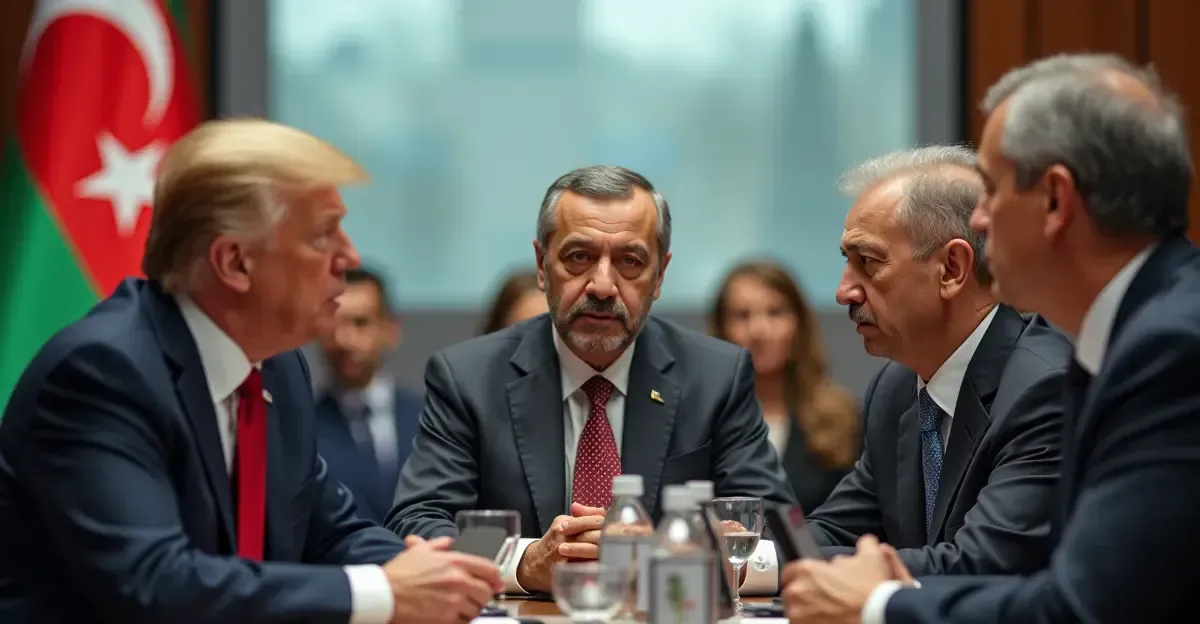
The two-week meeting, held in the Turkish coastal city of Antalya, broke down over deep divisions on phasing out oil, coal and natural gas. EU climate commissioner Wopke Hoekstra called the summit evidently failed and said the proposed draft text was clearly insufficient.
We are not going to muddle through and then sugarcoat it, Hoekstra said of the final text that countries were supposed to approve. Dutch climate minister Van Veldhoven described the absence of a closing statement as disappointing, adding: Europe cooperated constructively until the last moment, but there was too little balance and ambition.
This is the first time in years that the annual UN climate talks have failed to produce a consensus text. Previous failed summits include Copenhagen in 2009 and The Hague in 2000. The Hague meeting was later resumed as COP 6 bis, a continuation after negotiations had completely stalled. It remains unclear how the current summit will be formally closed.
The failure illustrates how difficult international cooperation on climate change has become. The UN climate negotiations process relies on consensus among nearly 200 countries, making any single objection potentially fatal.
Why Did the Antalya Climate Summit Collapse?
Fossil Fuel Phaseout Dispute
The central sticking point was whether the final text should explicitly call for a phaseout of fossil fuels. The European Union insisted that a text that does not mention fossil fuels cannot be supported. Irish climate minister Darragh O'Brien, who assisted the EU during negotiations, said: We are deeply disappointed about this final text, precisely now when the world urgently needs action.
However, countries including Saudi Arabia and Russia openly criticized the EU's position, saying they could not support a text that included a fossil fuel phaseout. Saudi Arabia, India and several African nations also pointed out that EU member states had for years caused large emissions that warmed the planet, arguing for historical responsibility.
Climate Finance and Data Disputes
Poorer countries expressed anger that too little money was being made available to protect themselves against floods and extreme weather. Meanwhile, Russia presented emission reduction figures using outdated data, according to professor Detlef van Vuuren of Utrecht University and the Netherlands Environmental Assessment Agency (PBL).
Countries like Russia and Saudi Arabia do not want a text on fossil fuels, but at the same time they use outdated information and use it incorrectly, Van Vuuren said. That once again shows how important it is that science continues to research this.
The EU climate policy and the demand for a fossil fuel phaseout collided with the interests of major oil and gas producers.
What Was Agreed at the Climate Summit?
Despite the overall failure, countries did agree on some issues. More than seventy countries pledged to source a larger share of their energy from electricity, a point that was particularly important for the Turkish presidency of the talks. However, these partial commitments were overshadowed by the lack of a comprehensive final agreement.
According to Van Veldhoven, preparations for the next climate summit must start quickly: Climate change has no pause button.
Impact and What Comes Next
The collapse of the Antalya summit could damage the only platform where nearly the entire world collectively tries to act against climate change. The climate finance for developing nations remains unresolved, as does the fundamental question of how to transition away from fossil fuels.
Every November, all countries come together to discuss limiting global warming. The thought is that everyone is affected and only together can countries tackle this problem. Negotiations are always difficult, but a complete absence of consensus risks eroding trust in the multilateral process.
FAQ: Turkey Climate Summit Failure
Why did the Turkey climate summit fail?
The summit failed because countries could not agree on whether the final text should explicitly call for a phaseout of fossil fuels. The EU demanded such language, while Saudi Arabia, Russia and others opposed it.
Was this the first failed climate summit?
No. Previous failed climate summits include Copenhagen in 2009 and The Hague in 2000. However, it is the first time in years that no final agreement was reached.
What does this mean for global climate action?
The failure could damage the multilateral process and delay urgent action. It highlights the growing difficulty of reaching consensus among nearly 200 countries with conflicting interests.
Did any countries agree on anything?
Yes, more than seventy countries pledged to increase the share of electricity in their energy mix, but this was overshadowed by the lack of a comprehensive final text.
When is the next climate summit?
The next annual climate summit is expected to take place in November of the following year, though the location and exact date are yet to be confirmed.



Follow Discussion