


 Deutsch
 English
 Español
 Français
 Nederlands
 Português


 Share
Share




Swiss glaciers lost 5.5% of their total ice volume in 2026 after a scorching summer and a winter with unusually little snow, according to new data from the Swiss glacier monitoring network GLAMOS and the Swiss Commission for Cryosphere Observation. The near-record melt—second only to the 6% loss in 2022—reduced average glacier thickness by 2.5 to 4 metres, while some glacier tongues thinned by up to 10 metres.
What the 2026 Glacier Measurements Reveal
The monitoring report shows that between July and September alone, Switzerland's glaciers released about 2,200 billion litres of meltwater. For comparison, that is roughly four times the country's annual drinking-water consumption. "Even on a September morning you can still hear the ice melting," said glaciologist Matthias Huss of ETH Zürich, standing on the Griesgletscher in southern Switzerland. "Normally, by late September the melting stops for a few months."
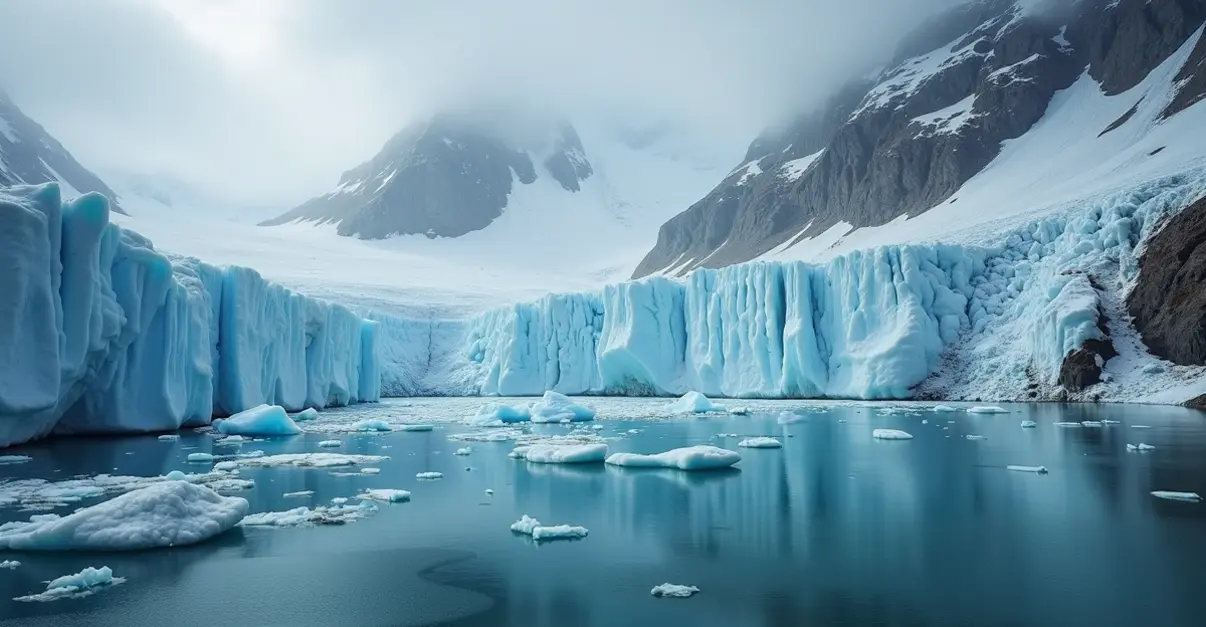
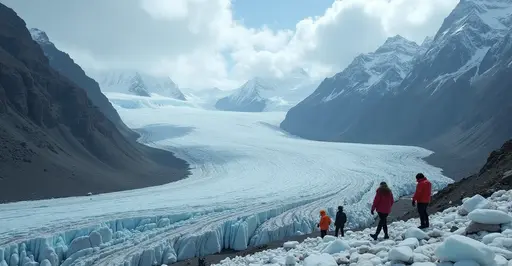
Huss described the grey, pockmarked ice as "Swiss hole cheese," pointing to bare patches along the glacier's edge. "This is the future. This is what a dying glacier looks like. It is truly a sad sight."
While 2026 was not a record, it confirms an alarming acceleration. In the 1990s, about 10% of Swiss glacier ice disappeared; in the 2000s, 14%; and in the past decade, more than a quarter. The 2024 melt of 4.4% ranked third, after 2022 and 2026.
Why Swiss Glaciers Are Melting Faster
The extreme losses stem from a combination of factors. The winter brought little snowfall, and much of what did fall melted unusually early in June. That left the ice unprotected for months under repeated heatwaves. As snow cover vanished, darker, older ice absorbed more sunlight, accelerating the thaw.
The findings echo the broader European heatwave impacts that have intensified in recent years, with April–September 2026 recorded as the hottest and driest such period in Switzerland since 1864.
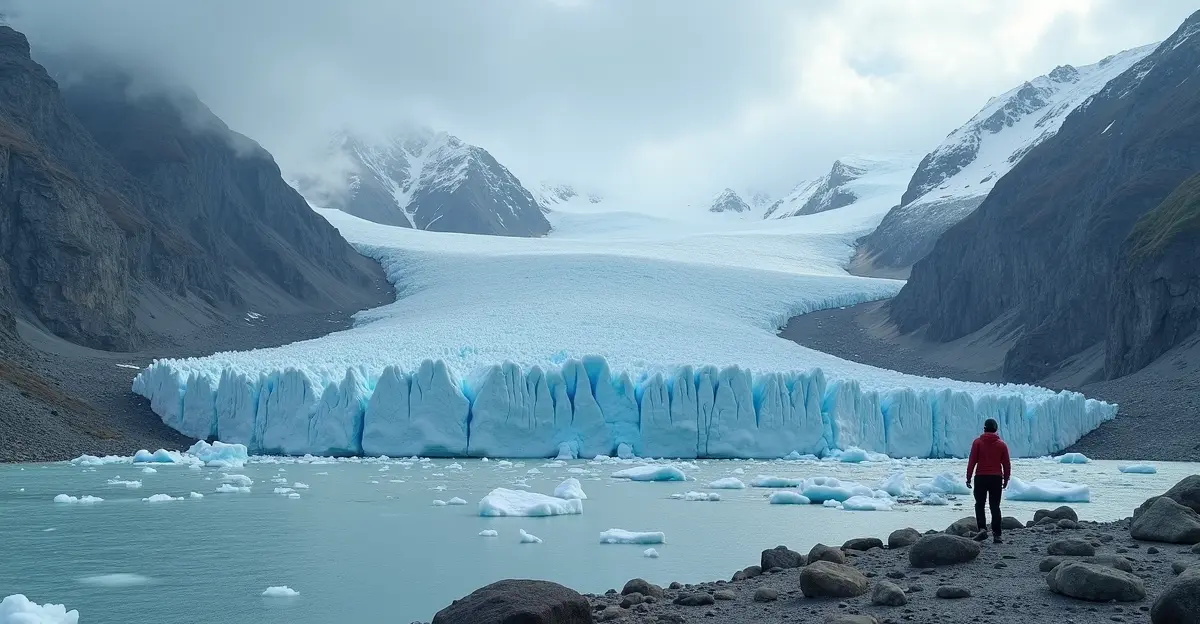
This rapid retreat is part of a wider alpine glacier retreat documented across the region. Several small glaciers, including Bella Tola, disappeared entirely this summer, and larger glaciers such as the Rhône and Aletsch are retreating quickly.
Communities on the Frontline of Glacier Loss
In the village of Gletsch, near the Rhône Glacier, the ice is no longer visible from the road. Tobias Winkelmann-Klein, director of the Grand Hotel Glacier du Rhône, remembers how the glacier once reached the hotel. "In 1868, Queen Victoria stayed three days at the Furka Pass," he said. "She wrote in her diary: 'we drove to Gletsch, along the glacier.' That means the glacier lay at the road. They drank tea at the glacier."
Today, Winkelmann-Klein must walk much farther than he did thirty years ago to see the remaining ice. "I saw the glacier this year from spring to autumn. You see the ice just melt and melt and melt. It is so sad."
Impact on Water, Rivers and the Future
The extra meltwater temporarily eased dry summer conditions in Switzerland, but that benefit will fade as ice disappears. Researchers warn that losing glaciers threatens farming, hydropower and river transport across Europe. This year, low Rhine levels already disrupted shipping and forced some nuclear plants to reduce output.
Scientists also warn about links to global sea level rise and long-term water security. Huss is blunt about the Griesgletscher's fate: "For this glacier it is too late. We must be honest. We should have acted fifty years ago if we wanted to protect it."
Frequently Asked Questions
How much ice did Swiss glaciers lose in 2026?
Swiss glaciers lost 5.5% of their ice volume in 2026, the second-largest annual loss on record after 2022 (6%).
Why did glaciers melt so fast in 2026?
A low-snow winter and repeated summer heatwaves removed protective snow cover early, exposing darker ice that absorbed more solar radiation.
What is the impact of Swiss glacier loss?
Glacier retreat threatens water supplies for farming, hydropower and river shipping, and increases landslide and flood risks.
Can Swiss glaciers still be saved?
Scientists say many Alpine glaciers are already beyond saving, but sharp emission cuts can still preserve significant ice in the Himalayas and polar regions.
Follow Discussion