

 Deutsch
 English
 Español
 Français
 Nederlands
 Português

 Share
Share Facebook
 X
X LinkedIn
 Bluesky
 WhatsApp
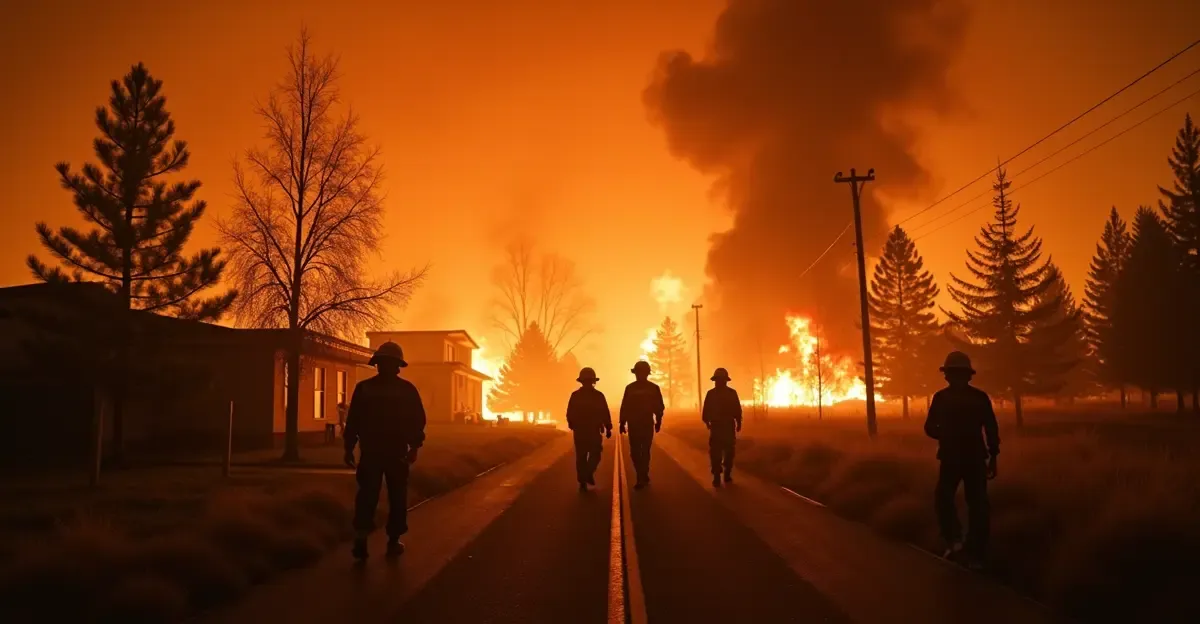
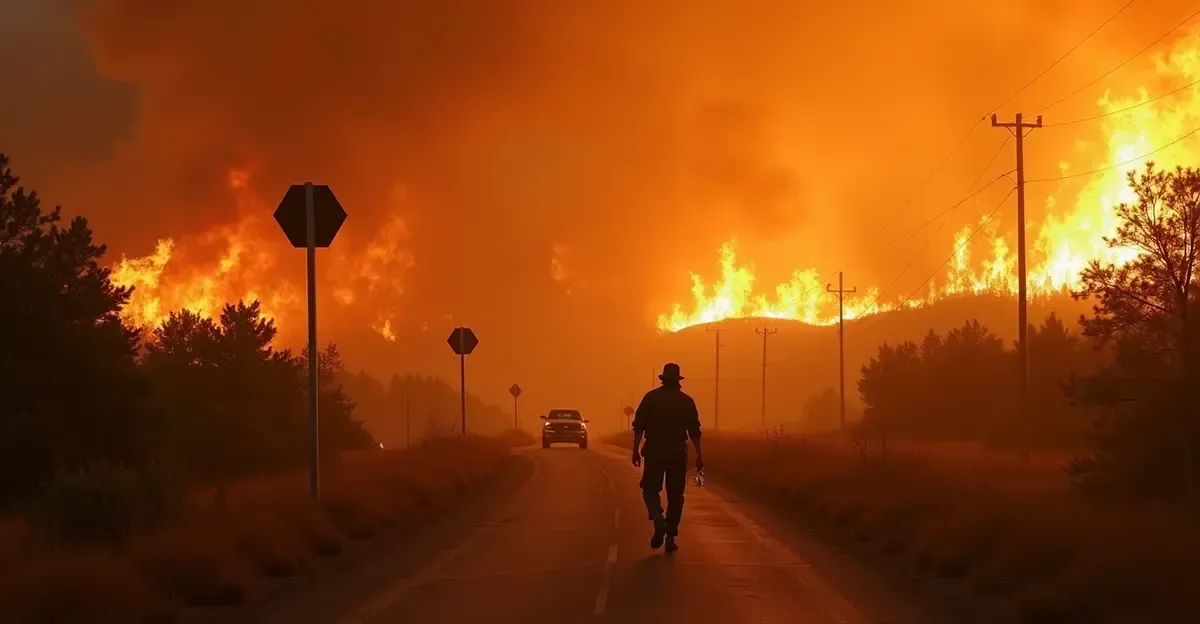
More than 600 structures have been reduced to rubble in Spokane County, Washington, as three fast-moving wildfires ripped through the region over the weekend, forcing nearly 65,000 people to flee their homes. The blazes — named Old Trails, Fairview, and Autumn Lane — ignited on August 1, 2026, and remain zero percent contained, according to local fire officials. No fatalities have been confirmed, but authorities warn the toll could rise as search teams reach still-inaccessible areas.
What Happened in Spokane County?
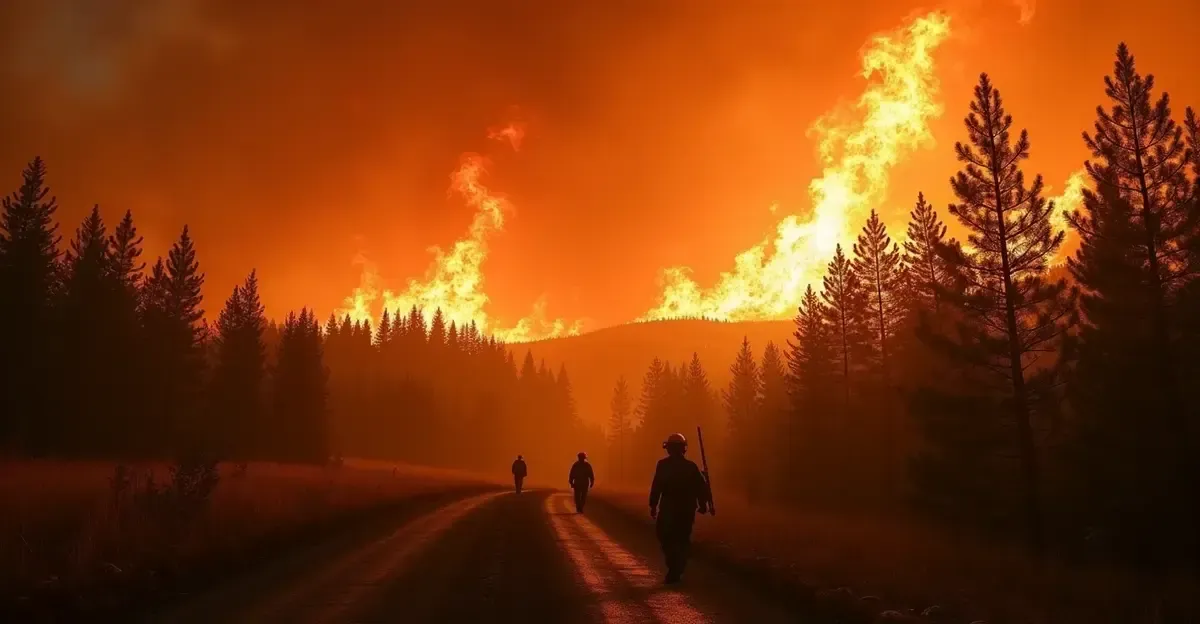
The firestorm began Saturday when strong winds, gusting up to 40 mph, carried embers across tinder-dry landscapes, igniting multiple fires almost simultaneously. The largest, the Old Trails Fire near W. Euclid Road, has scorched over 2,500 acres. The Fairview Fire, northeast of Spokane, has burned 500 acres, while the Autumn Lane Fire — now designated the nation's highest-priority blaze — surged toward the Rutter Parkway area. Together, the fires have consumed more than 7,000 acres.
"We're not out of danger yet," Senator Maria Cantwell said during a press conference in Spokane. "The coming days will be extremely challenging." The terrain is making firefighting efforts exceptionally difficult. "It's very hilly, with extremely steep slopes," said a spokesperson for the California interagency team assisting local crews.
Evacuations and Emergency Response
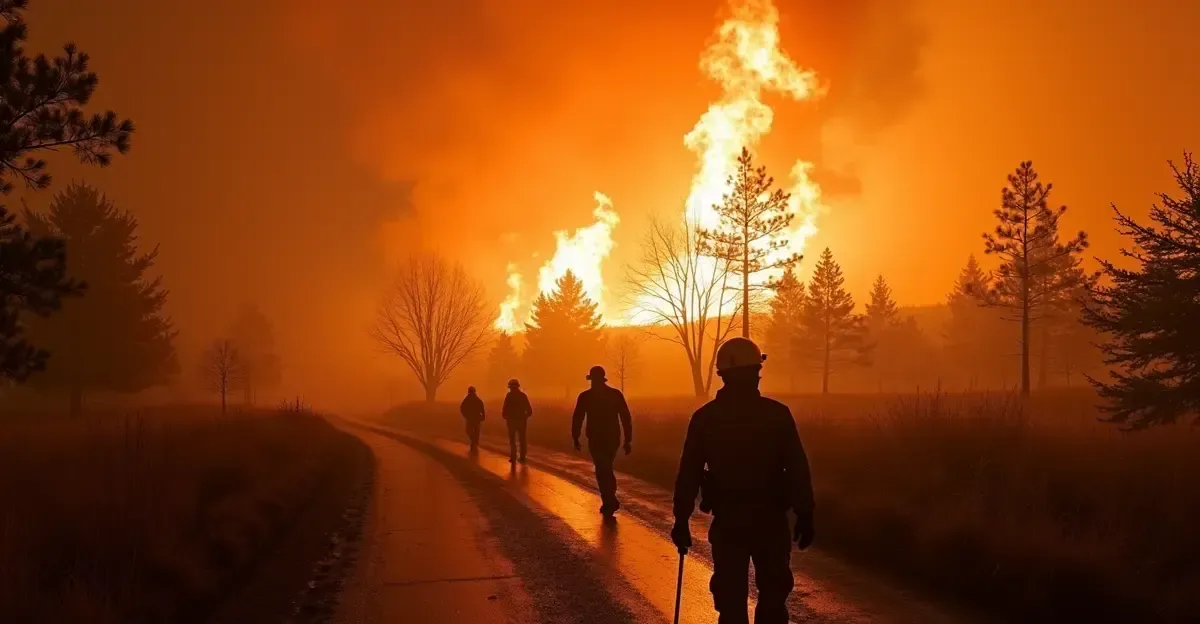
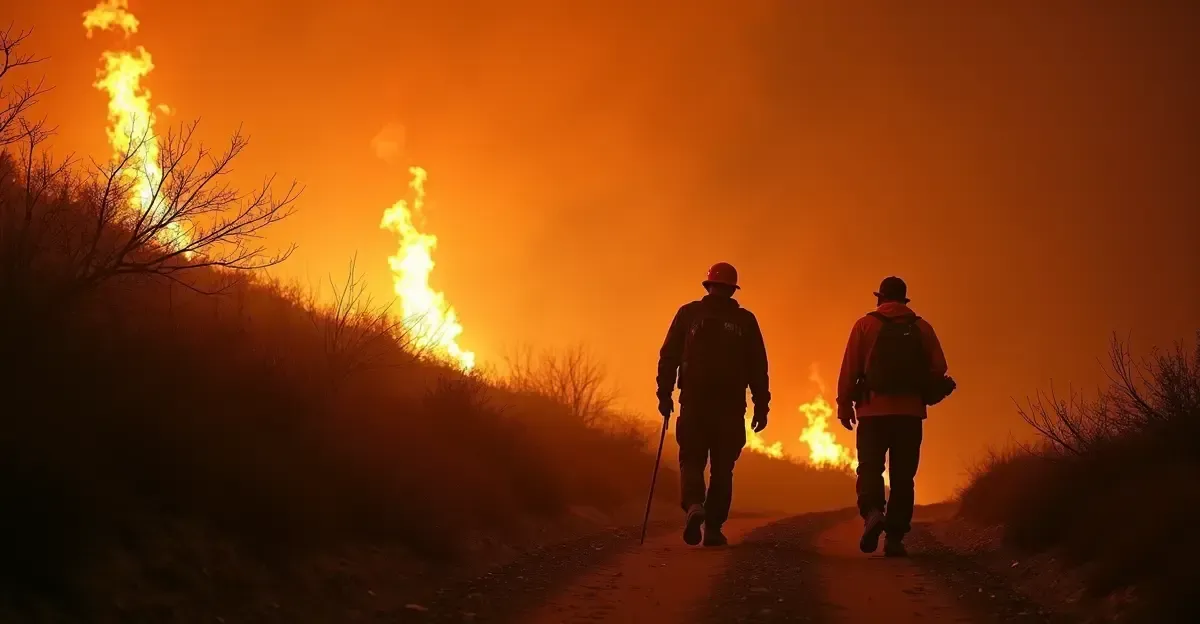
Approximately 60,000 residents were ordered to evacuate, many with only minutes to gather belongings. Shelters have been set up at the Spokane Convention Center, which is also accepting small animals. More than 100 National Guard members have been deployed, and the Federal Emergency Management Agency (FEMA) is expected to provide short-term assistance. However, firefighting efforts have been hampered by at least 26 drone incursions over the fire zones, forcing the grounding of aerial tankers.
The 2026 Pacific Northwest drought has left vegetation critically dry, creating conditions that Governor Jay Inslee called "a recipe for catastrophic fire behavior." Red Flag Warnings remained in effect across much of Eastern Washington as temperatures are forecast to climb back into the 90s by midweek.
Wildfire Crisis Spreads Across the West
Washington is not alone. In neighboring Idaho and eastern Oregon, firefighters have been battling the Rowe Creek Complex for ten days; that fire alone has consumed nearly 136,000 acres. The Shingle Fire in central Oregon, sparked by lightning on July 23, has grown to over 67,000 acres with only 10% containment. In Utah, the Silver King Fire exploded over the weekend from 4,100 to 14,500 acres, killing more than 100 head of livestock, according to local authorities.
Record Heat and Dry Conditions Fuel Flames
State and federal officials point to a combination of early-season drying, below-average snowpack, and prolonged drought — conditions that the National Interagency Fire Center outlook had flagged as early as May. Washington's Department of Natural Resources has already responded to over 200 wildfires this year, and the state legislature doubled firefighting appropriations to $120 million for 2026.
The 2026 season is shaping up to be Washington's worst in 30 years, with 15 major fires having blackened more than 250,000 acres statewide. As climate change fuels extreme wildfires across the West, scientists caution that such seasons are becoming the new normal.
Impact and Outlook
Beyond the immediate destruction of homes, the fires threaten critical infrastructure and the regional economy. Air quality alerts have been issued as far away as Seattle, and schools in Spokane County have suspended classes. The emotional toll on evacuees is immense; community groups have mobilized to provide food, shelter, and day camps for displaced families.
Meanwhile, federal disaster relief funding faces scrutiny as lawmakers debate long-term wildfire mitigation strategies. Fire officials hope that lighter winds early this week will allow crews to make progress, but with no rain in the forecast, full containment remains weeks away.
FAQ
What caused the Spokane County wildfires?
The exact causes are under investigation, but the fires were likely sparked by a combination of dry lightning, human activity, and power line issues, fanned by strong winds.
How many structures have been destroyed?
More than 600 structures have been confirmed destroyed, and that number is expected to rise as damage assessments continue.
Are there any casualties?
No fatalities have been confirmed in Spokane County, though earlier in the season the Upriver Fire near Spokane claimed one life. Officials warn that the toll could increase as crews reach areas previously cut off by flames.
How are firefighters responding?
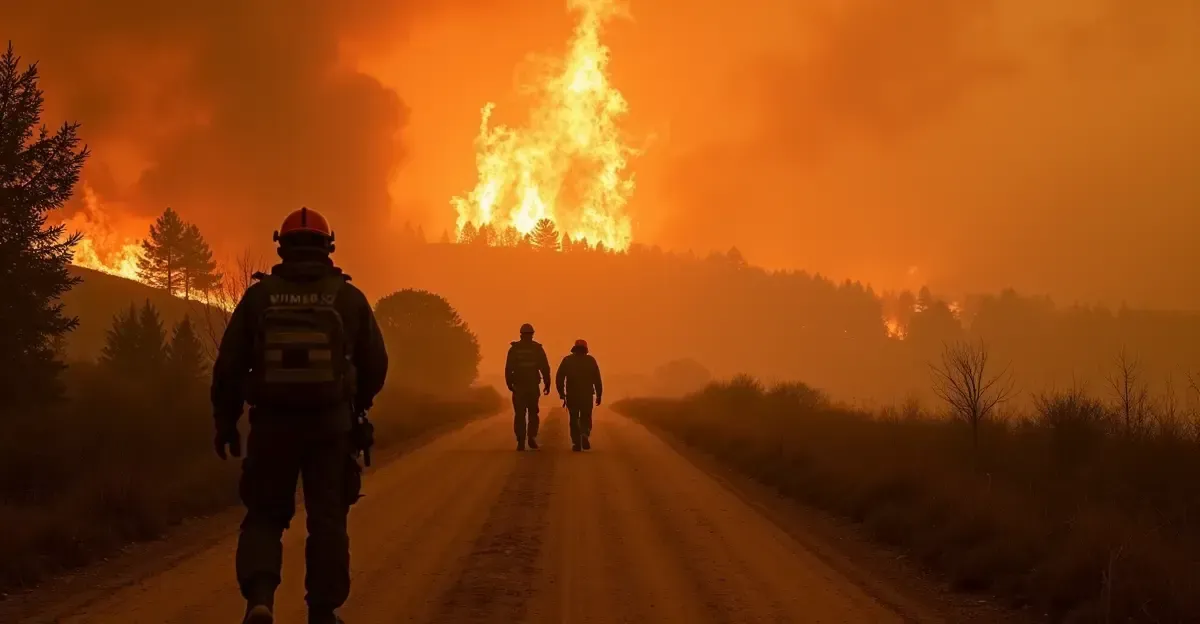
Over 500 personnel are on the ground, supported by helicopters, air tankers, and National Guard units. Steep terrain and drone intrusions have complicated air operations.
What is the forecast for containment?
All three Spokane-area fires remain 0% contained. Cooler, lighter winds are providing a window for progress, but hotter, drier weather is expected to return by Wednesday, prolonging the fight.
Follow Discussion