


 Deutsch
 English
 Español
 Français
 Nederlands
 Português


 Share
Share




A 69-year-old French tourist faces a fine of up to €3,000 after customs officials caught her attempting to smuggle 40 kilograms of sand, white pebbles, and shells from Sardinia's protected coastline. The incident, which occurred at the port of Porto Torres in northern Sardinia, marks the latest case of beach material theft on the Italian island, where a strict 2017 regional law prohibits the removal of natural coastal resources.
What is Sardinia's Sand Theft Law?
Sardinia's Regional Law No. 16, enacted on July 28, 2017, makes it illegal to remove sand, pebbles, shells, or any other natural materials from the island's beaches without authorization. The law was introduced after authorities discovered that tourists were stealing tonnes of sand annually, causing significant damage to the island's fragile coastal ecosystems. Violators face administrative fines ranging from €500 to €3,000, and confiscated materials are returned to their original locations.
The law specifically targets the removal of organic and inorganic materials from beaches, dunes, and coastal areas. Enforcement is carried out by the Sardinian Forestry Corps, local police, and customs authorities at ports and airports. X-ray scanners at airports and random vehicle checks on ferries are used to detect stolen sand and shells hidden in luggage or cars.
Details of the 2026 Porto Torres Incident
Customs officers at the port of Porto Torres stopped the French tourist as she was about to board a ferry to Toulon, France, after her vacation on the island. During a routine inspection of her vehicle, officers discovered approximately 40 kilograms of fine sand, small white pebbles, and seashells hidden in the trunk and under the seats of her car.
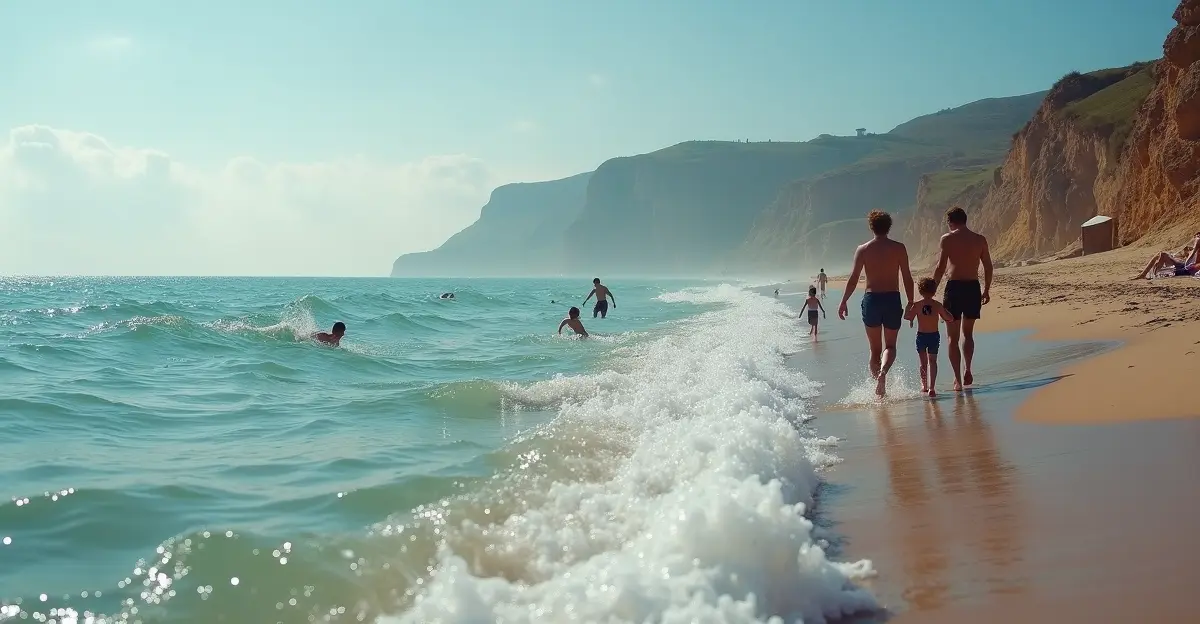
According to authorities, the materials were taken from Spiaggia Le Saline (Le Saline Beach) near Stintino in northwestern Sardinia. This beach is known for its distinctive white pebbles that resemble grains of rice and its crystal-clear turquoise waters. Unlike the more crowded La Pelosa beach, Le Saline offers a quieter alternative but remains ecologically sensitive.
The woman now faces a fine between €500 and €3,000. The confiscated sand and pebbles will be returned to the beach in the coming days through a repositioning operation conducted by local authorities.
A Recurring Problem: Sand Theft in Sardinia
This incident is far from isolated. Sardinia has struggled for years with tourists treating its beaches as souvenir shops. In 2021, 41 sand thieves were caught and fined after attempting to steal and illegally sell beach materials, earning approximately €13,000 from the illicit trade. In 2015 alone, authorities seized five tonnes of sand at Cagliari's Elmas airport during just three summer months.
The problem became so severe that a Facebook campaign called 'Sardinia Robbed and Plundered' pressured local authorities to enact the 2017 law. The Sardinian Forestry Corps warns that while a single bottle of sand may seem harmless, if millions of tourists each took a small amount, tonnes of sand would vanish annually from beaches that took millennia to form.
Similar to the environmental protection laws in Italy, Sardinia's regulations aim to preserve the island's natural heritage for future generations. The island's unique white quartz sand from beaches like Mari Ermi, Is Arutas, and Maimoni, as well as the yellow sand from Piscinas and the white pebbles from Cala Luna, are particularly targeted by thieves due to their beauty and distinctiveness.
Impact on Sardinia's Coastal Ecosystem
The removal of sand and pebbles from Sardinia's beaches has serious environmental consequences. Sand and pebbles play a crucial role in protecting coastlines from erosion, providing habitats for marine life, and maintaining the natural balance of beach ecosystems. The European Union's Natura 2000 network protects many of Sardinia's coastal areas, recognizing their ecological importance.
'Removing sand or pebbles from our beaches is not a victimless crime. Each grain removed contributes to coastal erosion and destroys habitats that took thousands of years to develop,' said Gianluca Cocco, Commander of the Sardinian Forestry Corps, in a statement following the 2025 summer surveillance campaign that resulted in over 200 fines.
The 2025 summer campaign by the Forestry Corps issued more than 200 fines and 26 crime reports, targeting not only sand theft but also illegal camping, waste abandonment, and unauthorized occupation of coastal areas. The increased surveillance of tourist hotspots reflects the seriousness with which Sardinian authorities treat environmental protection.
What Tourists Should Know
Tourists visiting Sardinia should be aware that taking any natural materials from beaches—including sand, pebbles, shells, stones, or driftwood—is strictly prohibited. Fines are enforced year-round, with increased checks during the summer months when tourist numbers peak. Customs officials at airports use X-ray scanners to detect sand in luggage, and vehicles boarding ferries are subject to random inspections.
To remember their visit, tourists are encouraged to take photographs, buy locally made souvenirs from artisans, or simply enjoy the natural beauty without disturbing it. The message from Sardinian authorities is clear: look, touch, and enjoy—but leave everything exactly where you found it.
FAQ: Sardinia Sand Theft and Fines
Is it illegal to take sand from Sardinia beaches?
Yes. Since 2017, Regional Law No. 16 prohibits removing sand, pebbles, shells, stones, or any other natural materials from Sardinia's beaches without authorization. Violators face fines from €500 to €3,000.
How much sand is stolen from Sardinia each year?
In 2015 alone, five tonnes of sand were confiscated at Cagliari airport during three summer months. Authorities regularly seize hundreds of kilograms annually from tourists at ports and airports across the island.
What happens to confiscated sand?
Confiscated sand, pebbles, and shells are returned to their original beaches through repositioning operations conducted by local authorities and the Sardinian Forestry Corps.
Can I take a small bottle of sand as a souvenir?
No. Even small amounts are illegal. The law applies regardless of quantity, and authorities warn that if every tourist took just a little, the cumulative damage would be devastating to Sardinia's coastline.
Are other Italian regions enforcing similar laws?
While Sardinia has one of the strictest laws, other Italian coastal regions also have regulations protecting their beaches. The broader Italian environmental protection framework includes national laws against damaging natural habitats, with penalties varying by region.



Follow Discussion