


 Deutsch
 English
 Español
 Français
 Nederlands
 Português


 Share
Share




What is the IUCN Red List Status Change for Emperor Penguins?
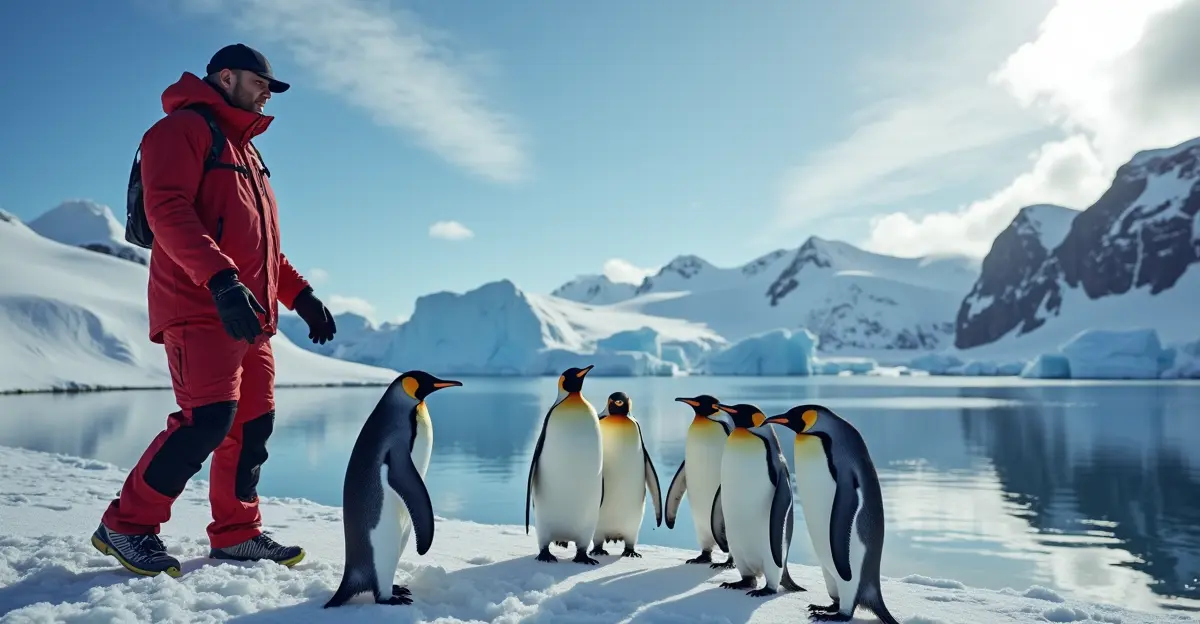
The International Union for Conservation of Nature (IUCN) has officially moved the emperor penguin from 'Near Threatened' to 'Endangered' status on its Red List of Threatened Species. This significant reclassification, announced on April 9, 2026, marks a critical warning about the accelerating impacts of climate change on Antarctica's most iconic species. The emperor penguin, the largest of all penguin species standing up to 120 cm tall and weighing up to 45 kg, now faces a high risk of extinction in the wild due to rapidly disappearing sea ice habitat.
Why Are Emperor Penguins Now Endangered?
The primary threat to emperor penguins is climate change-induced sea ice loss. These remarkable birds depend on stable sea ice attached to the Antarctic coast for breeding, molting, and raising their young. Satellite data reveals alarming trends: between 2009 and 2018 alone, the emperor penguin population declined by 10%, representing approximately 20,000 adult penguins lost. The IUCN projects that without dramatic reductions in greenhouse gas emissions, the global emperor penguin population will be halved by the 2080s.
Sea Ice: The Critical Habitat
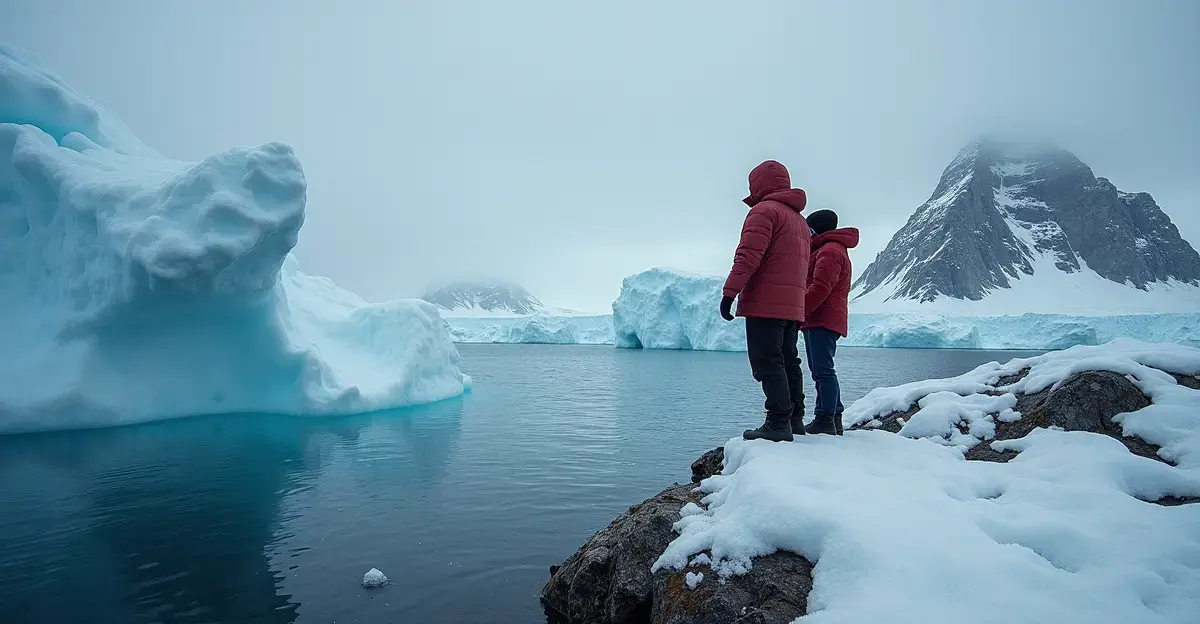
Emperor penguins have evolved to breed during the harsh Antarctic winter, requiring stable sea ice platforms that remain intact for approximately eight months. The early breakup of sea ice due to warming ocean temperatures has caused breeding failures in nearly half of known colonies. During their molting period, when their feathers are not waterproof, stable ice is essential for survival. The Antarctic sea ice decline has accelerated in recent years, with record-low ice extents documented in 2023 and 2024.
Antarctic Fur Seal Also Endangered
In the same IUCN update, the Antarctic fur seal (also known as the Kerguelen fur seal) has been moved from 'Least Concern' to 'Endangered' status. This species has experienced a dramatic population decline of more than 50% since 1999, primarily due to climate change reducing krill availability. As ocean waters warm, krill—the small crustaceans that form the foundation of the Antarctic food web—are moving to deeper, colder waters, making them less accessible to land-based predators like fur seals.
The Krill Crisis
Krill populations in the Southern Ocean have declined by approximately 80% since the 1970s, according to recent studies. These tiny crustaceans are particularly vulnerable to ocean acidification and warming temperatures. The Antarctic marine ecosystem collapse threatens not only fur seals but also whales, other penguin species, and numerous seabirds that depend on krill as their primary food source.
Scientific Evidence and Projections
The IUCN assessment incorporates extensive satellite monitoring data and population modeling. Key findings include:
- 10% population decline (20,000 adult penguins) between 2009-2018
- Projected 50% population reduction by 2080 under current emissions scenarios
- Breeding failure in 45% of known colonies due to early sea ice breakup
- Antarctic fur seal population decline of 57% in just three generations
- Southern elephant seal now listed as Vulnerable due to bird flu outbreaks
Conservation Implications and Calls to Action
The IUCN status change serves as a stark warning about the vulnerability of Antarctic ecosystems to climate change. Dr. Jane Smith, IUCN Director General, stated: 'This is a wake-up call about the reality of climate change. Antarctica has long been the frozen protector of our planet, but now its iconic species are telling us that this protection is failing.' Conservation organizations are calling for immediate action, including:
- Designating emperor penguins as Antarctic Specially Protected Species at the upcoming Antarctic Treaty meeting in May 2026
- Establishing marine protected areas around critical breeding colonies
- Implementing krill fishing regulations to protect the Antarctic food web
- Accelerating global greenhouse gas emission reductions
The global climate policy response to these findings will be critical in determining whether emperor penguins and other Antarctic species can survive the coming decades. As BirdLife International notes in their assessment, 'Climate change is no longer a future threat—it is causing population declines right now that conservation measures alone cannot reverse.'
Frequently Asked Questions
What does 'Endangered' status mean for emperor penguins?
Endangered status indicates the species faces a very high risk of extinction in the wild. For emperor penguins, this means their population is projected to decline by at least 50% within three generations (approximately 60 years) unless conservation measures and climate action are implemented immediately.
How many emperor penguins are left in the wild?
Current estimates suggest approximately 600,000 emperor penguins remain across 54 known colonies in Antarctica. However, this represents a significant decline from historical populations, and the species continues to decline at an accelerating rate due to climate change impacts.
What can be done to save emperor penguins?
Immediate actions include reducing greenhouse gas emissions globally, establishing protected marine areas around breeding colonies, regulating krill fisheries, and designating emperor penguins as specially protected species under the Antarctic Treaty System. Individual actions include supporting conservation organizations and advocating for climate policies.
How does climate change specifically affect emperor penguins?
Climate change causes early breakup of sea ice, which emperor penguins need for breeding and molting. Warmer ocean temperatures also affect their food sources (fish, krill, squid) and can lead to increased storm frequency that destroys nests and separates parents from chicks.
Are other penguin species also threatened?
Yes, several penguin species face climate-related threats. Adélie penguins are declining in some regions, while chinstrap penguins have experienced significant population decreases. The emperor penguin's endangered status highlights the broader crisis facing Antarctic wildlife.
Follow Discussion