


 Deutsch
 English
 Español
 Français
 Nederlands
 Português


 Share
Share




The Krill Conundrum: How Fishing Impacts Antarctic Wildlife
Antarctic krill, the tiny shrimp-like crustaceans that form the foundation of the Southern Ocean's food web, are facing increasing pressure from commercial fishing operations. These small creatures, which can grow up to 6 centimeters long, represent one of the largest biomasses on Earth with an estimated 379 million tonnes in the Southern Ocean alone.
The Critical Role of Krill in Antarctic Ecosystems
Krill serve as the primary food source for numerous Antarctic species, including penguins, whales, seals, and seabirds. "Krill are the linchpin of the entire Antarctic ecosystem," explains marine biologist Dr. Sarah Chen. "When krill populations decline, the effects ripple through the entire food chain, affecting everything from the smallest fish to the largest whales."
The Commission for the Conservation of Antarctic Marine Living Resources (CCAMLR) regulates krill fishing in the Southern Ocean, setting catch limits to ensure sustainability. However, climate change and increasing fishing pressure are creating new challenges for conservation efforts.
Impact on Penguin Populations
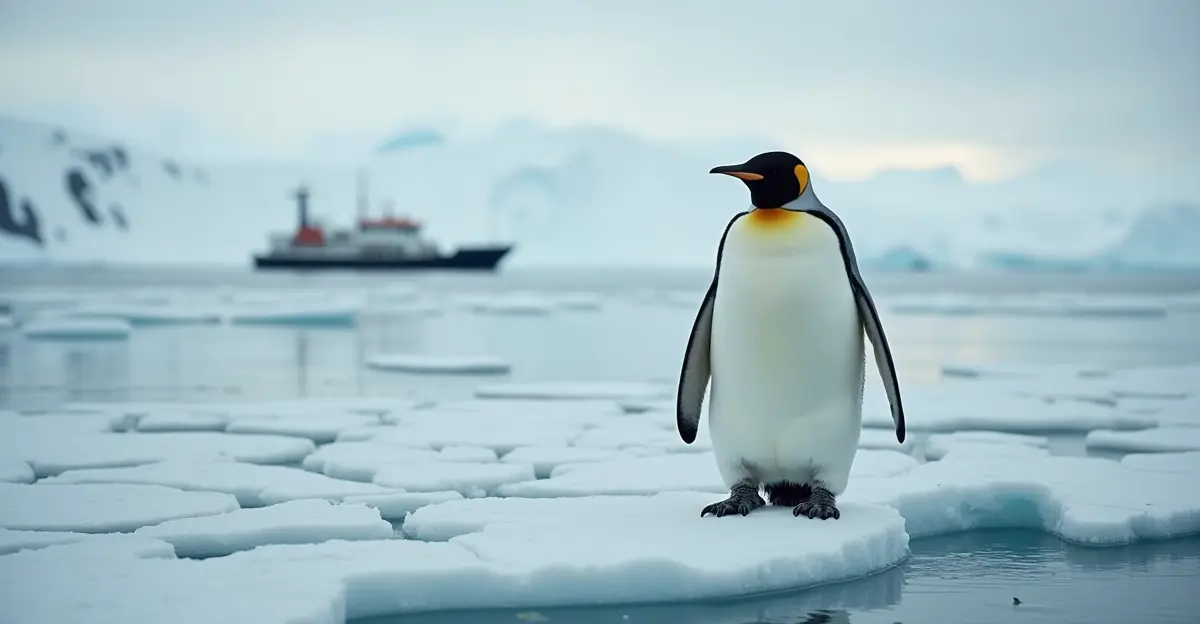
Research shows that reduced krill availability directly affects penguin breeding success. Adélie, chinstrap, and gentoo penguins all rely heavily on krill during their breeding seasons. "We've observed penguins having to travel further and work harder to find food for their chicks," says field researcher Mark Johnson. "This extra effort can lead to lower chick survival rates and declining population numbers."
A recent study published in Nature Climate Change found that krill densities have decreased by up to 80% in some areas of the Antarctic Peninsula since the 1970s, coinciding with increased commercial fishing activity.
Whale Feeding Patterns Disrupted
Baleen whales, including humpback, blue, and fin whales, consume massive quantities of krill—up to 4 tons per day during feeding season. The concentration of fishing operations in key feeding grounds creates competition between whales and fishing vessels.
"We're seeing changes in whale migration patterns and feeding behaviors," notes whale conservation specialist Dr. Elena Rodriguez. "Some populations are being forced to alter their traditional feeding routes, which can impact their overall health and reproductive success."
Conservation Efforts and Sustainable Solutions
The CCAMLR has established several Marine Protected Areas (MPAs) in the Southern Ocean, including the Ross Sea MPA which covers 1.55 million square kilometers. However, more comprehensive protection is needed as krill fishing continues to expand.
Norway and China are currently the largest krill fishing nations, with most catches used for aquaculture feed, omega-3 supplements, and human consumption. The industry argues that current fishing levels represent only about 0.5% of the total krill biomass and are therefore sustainable.
Environmental organizations advocate for precautionary measures, including larger no-take zones and stricter monitoring of fishing activities. "We need to ensure that krill fishing doesn't compromise the recovery of whale populations or threaten penguin colonies," emphasizes conservation director Maria Lopez.
As climate change continues to affect Antarctic waters through warming temperatures and sea ice loss, the combined pressures on krill populations highlight the urgent need for comprehensive conservation strategies that balance economic interests with ecological preservation.
Follow Discussion