


 Deutsch
 English
 Español
 Français
 Nederlands
 Português


 Share
Share




Groundbreaking Water Reuse Project Gets Green Light
In a significant move toward sustainable water management, municipal authorities have approved a major water reuse facility that sets ambitious capacity targets while addressing energy consumption concerns. The project, which has been in planning for several years, represents a new generation of water infrastructure designed to combat growing water scarcity while minimizing environmental impact.
The facility will have an initial capacity of 10 million gallons per day (MGD), with plans to expand to 15 MGD by 2030. 'This isn't just about treating wastewater—it's about creating a new water resource for our community,' said project director Maria Rodriguez. 'We're taking what was once considered waste and transforming it into a valuable asset.'
Energy Efficiency at the Core
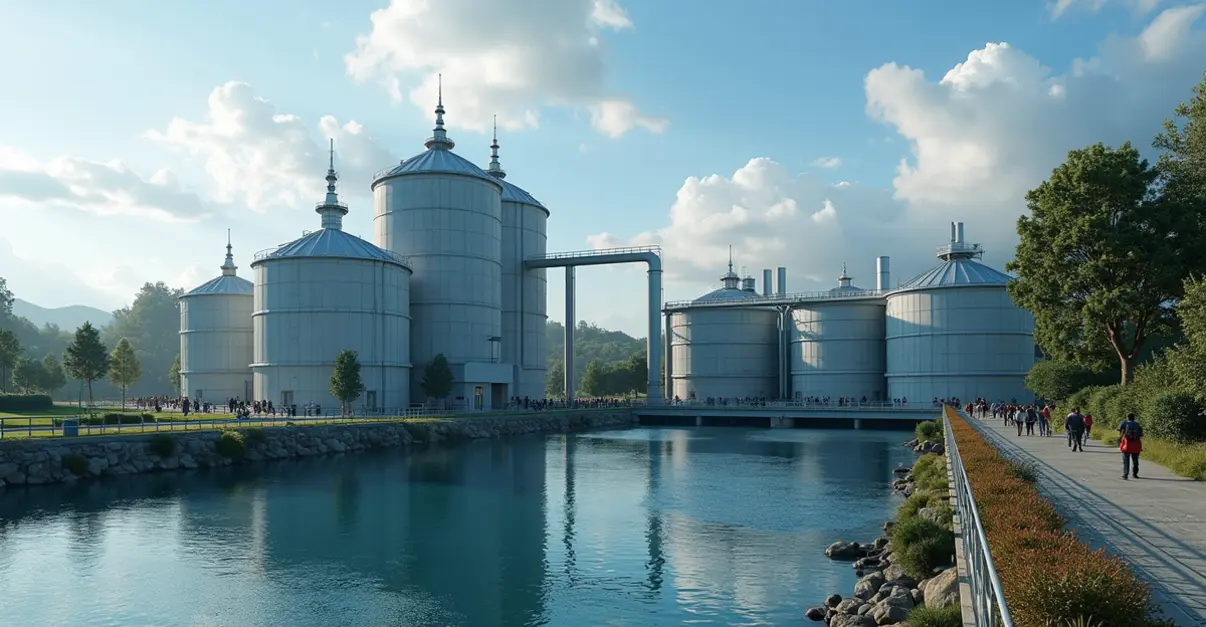
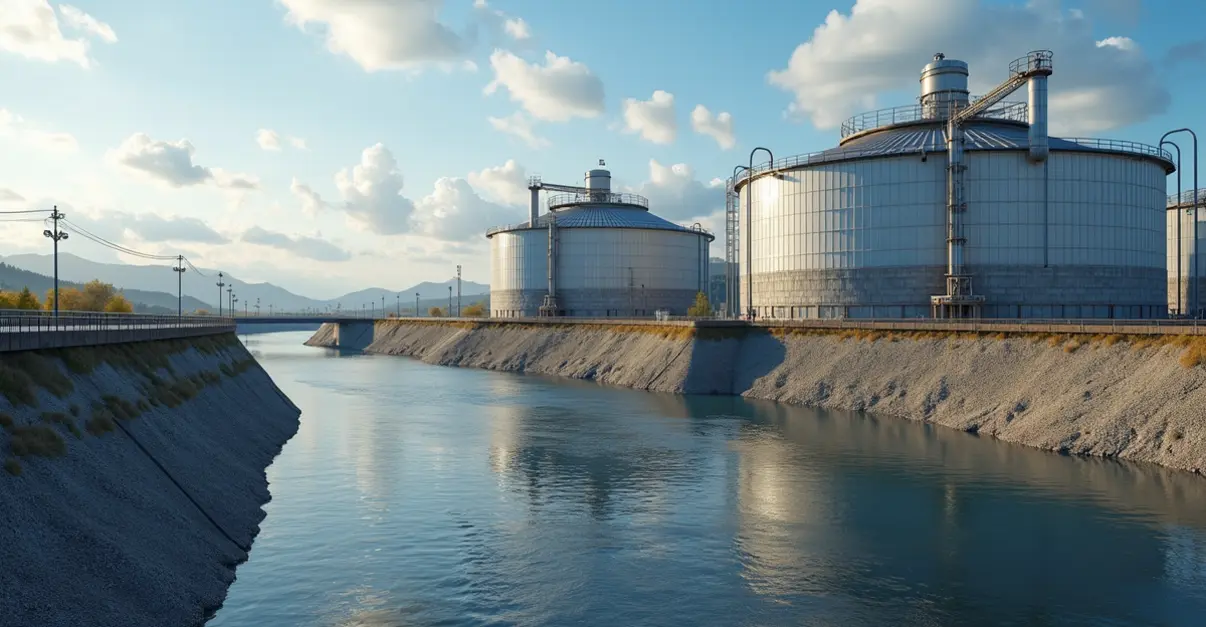
What sets this project apart is its integrated approach to energy management. The facility will incorporate advanced anaerobic digestion systems that convert organic waste into renewable natural gas (RNG), offsetting approximately 40% of the plant's energy needs. Additionally, solar panels installed on site will provide another 20% of required electricity.
'We're not just reducing our carbon footprint—we're creating energy-positive water treatment,' explained energy consultant Dr. James Wilson. 'The biogas production alone could generate enough renewable energy to power 1,500 homes annually.'
The project aligns with recent findings from the World Bank's report on water reuse, which highlights that global reuse capacity has tripled over 20 years and grows at 7% annually, though it still accounts for only 12% of municipal freshwater withdrawals.
Regulatory Timeline and Compliance
The approval process followed an extensive regulatory review that began in early 2024. Key milestones included environmental impact assessments, public consultations, and technical reviews by state water quality agencies. The facility must meet stringent standards outlined in the EPA's Water Reuse Action Plan and state-specific regulations.
'The regulatory landscape for water reuse has evolved significantly,' noted environmental lawyer Sarah Chen. 'We're seeing more comprehensive frameworks that address everything from pathogen removal to emerging contaminants like pharmaceuticals.'
Construction is scheduled to begin in Q2 2025, with commissioning expected by late 2027. The timeline includes a phased implementation approach, allowing for technology optimization and workforce training.
Municipal Contracts and Partnerships
The project involves multiple municipal contracts totaling approximately $295 million, with funding coming from federal grants, state bonds, and public-private partnerships. Similar to the El Paso Pure Water Center project, this facility represents a significant investment in water security.
Key contracts include a 30-year operations agreement with a specialized water management firm and partnerships with local industries for water supply agreements. 'These long-term contracts provide stability for both the municipality and our partners,' said city manager Robert Thompson. 'We're creating a sustainable economic model that benefits everyone.'
The facility will serve multiple sectors, including agricultural irrigation, industrial cooling, and eventually, after additional treatment, potable water supply. This multi-use approach maximizes the value of recycled water while addressing different community needs.
Future Implications and Expansion
As climate change intensifies water scarcity in many regions, such facilities are becoming increasingly critical. The approved project serves as a model for other municipalities considering similar investments. According to the California 2025 Recycling Resource Management Strategy, water recycling represents one of the most promising approaches to sustainable water management.
'This approval marks a turning point in how we think about water infrastructure,' concluded environmental scientist Dr. Lisa Park. 'We're moving from linear systems that use water once to circular systems that continuously recycle and reuse this precious resource.'
The facility's success will be measured not just by water production metrics, but also by energy performance, community acceptance, and long-term sustainability. With construction set to begin soon, all eyes will be on this pioneering project as it moves from approval to reality.

Follow Discussion