


 Deutsch
 English
 Español
 Français
 Nederlands
 Português


 Share
Share




Major Water Reuse Facility Clears Final Hurdle After Years of Planning
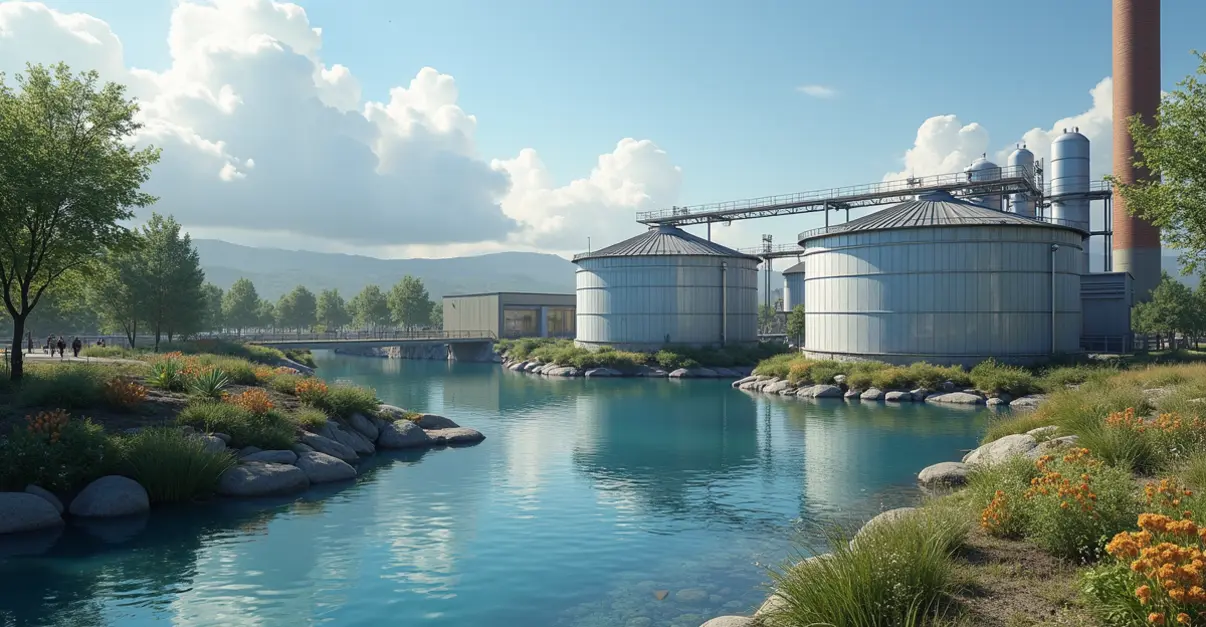
After years of meticulous planning and regulatory navigation, a groundbreaking water reuse facility has received its final approval, marking a significant milestone in sustainable water management for water-stressed regions. The industry-backed project, which has been in development since 2022, represents one of the most ambitious water recycling initiatives in recent years and is poised to transform how communities manage their water resources.
Capacity and Technical Specifications
The facility will have an initial treatment capacity of 10 million gallons per day (MGD), with infrastructure designed for expansion to 15 MGD by 2028. This substantial capacity will allow the plant to process significant volumes of wastewater, transforming it into high-quality water suitable for non-potable applications including agricultural irrigation, industrial cooling, and environmental restoration projects.
The purification process incorporates advanced membrane filtration technology, including reverse osmosis systems that remove contaminants at the molecular level. 'This facility represents the next generation of water treatment technology,' says project engineer Dr. Sarah Chen. 'We're not just treating water—we're creating a new water source for our community.'
Energy Efficiency and Sustainability Features
One of the most innovative aspects of the project is its ambitious energy efficiency targets. The facility aims to achieve a 30% reduction in energy consumption compared to conventional water treatment plants through several integrated technologies:
• Advanced biogas recovery systems that capture methane from sludge treatment processes, potentially reducing external energy demand by 25%
• High-efficiency pumping and aeration systems with variable frequency drives
• AI-driven optimization of treatment processes using machine learning algorithms to predict and adjust operational parameters in real-time
• Solar panel installations on facility rooftops and adjacent land
According to recent research published in ScienceDirect, AI-driven optimization frameworks can significantly enhance energy circularity in water resource recovery facilities, with some systems achieving energy self-sufficiency through improved biogas yields and reduced CO2 emissions.
Regulatory Approvals and Permitting Process
The project's final approval comes after an extensive regulatory review process that spanned multiple agencies and jurisdictions. Key permits included:
• Water quality certifications from state environmental agencies
• Land use and zoning approvals from local municipalities
• Construction and operational permits from regional water boards
• Environmental impact assessments addressing potential effects on local ecosystems
The U.S. Environmental Protection Agency's Water Reuse and Recycling program has been instrumental in developing frameworks for safe water reuse, including the National Water Reuse Action Plan (WRAP) which celebrates five years of progress this year.
Municipal Contracts and Water Allocation
Several municipalities have already signed preliminary agreements to purchase treated water from the facility, securing their water supplies for non-potable applications. These contracts typically span 20-30 years and include:
• Agricultural districts for crop irrigation
• Industrial facilities for cooling and process water
• Municipal parks and golf courses for landscape irrigation
• Environmental agencies for stream and wetland restoration
'These contracts provide financial stability for the project while ensuring our communities have reliable water sources,' explains municipal water manager Michael Rodriguez. 'In an era of increasing water scarcity, this represents a crucial adaptation strategy.'
Construction Timeline and Economic Impact
With final approval secured, construction is scheduled to begin within the next 60 days. The project timeline includes:
• Site preparation and foundation work (2025)
• Main facility construction (2025-2026)
• System installation and commissioning (2026)
• Initial operations beginning late 2026
• Full capacity operations by mid-2027
The $295 million project is expected to create approximately 500 construction jobs and 75 permanent operational positions. Similar projects, like El Paso's Pure Water Center which began construction recently, demonstrate the growing trend toward advanced water reuse facilities nationwide.
Future Implications and Industry Trends
This facility serves as a model for other water-stressed regions facing climate change challenges. As noted in research from MDPI, AI-enabled membrane bioreactors demonstrate stronger generalization capabilities and more effective real-time regulation under dynamic conditions compared to traditional approaches.
The successful approval and implementation of this industry-backed water reuse plant signals a shift toward more sustainable, circular water management systems that prioritize resource recovery, energy efficiency, and community resilience in the face of growing water security challenges.

Follow Discussion