


 Deutsch
 English
 Español
 Français
 Nederlands
 Português


 Share
Share




Major Water Reuse Project Reaches Critical Milestone
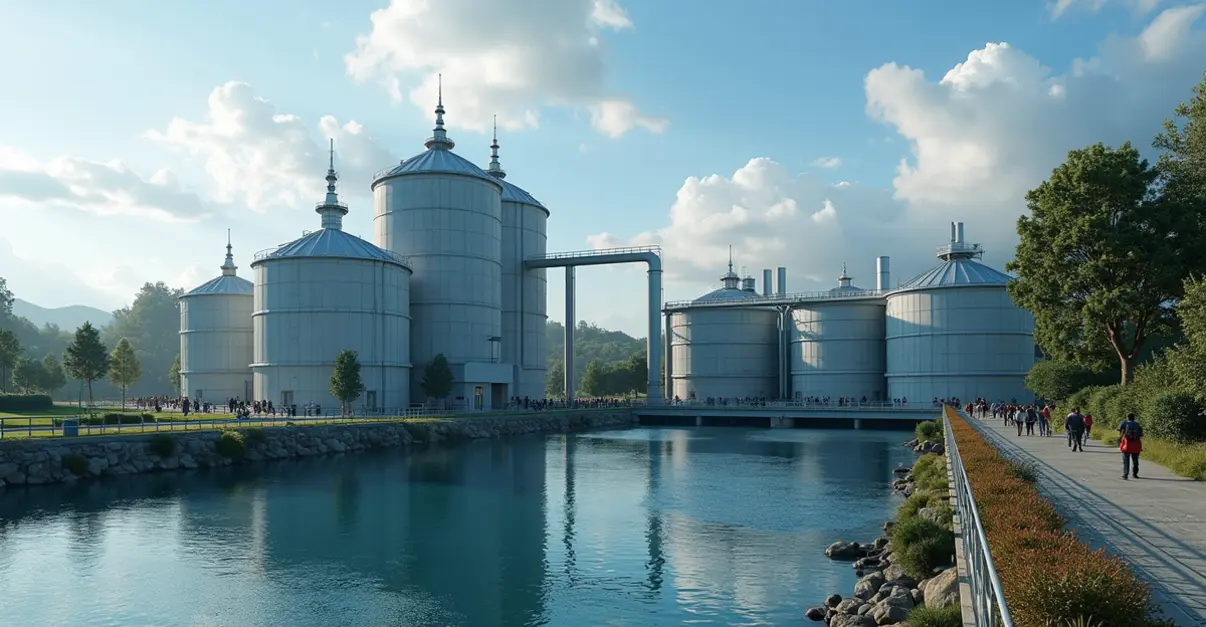
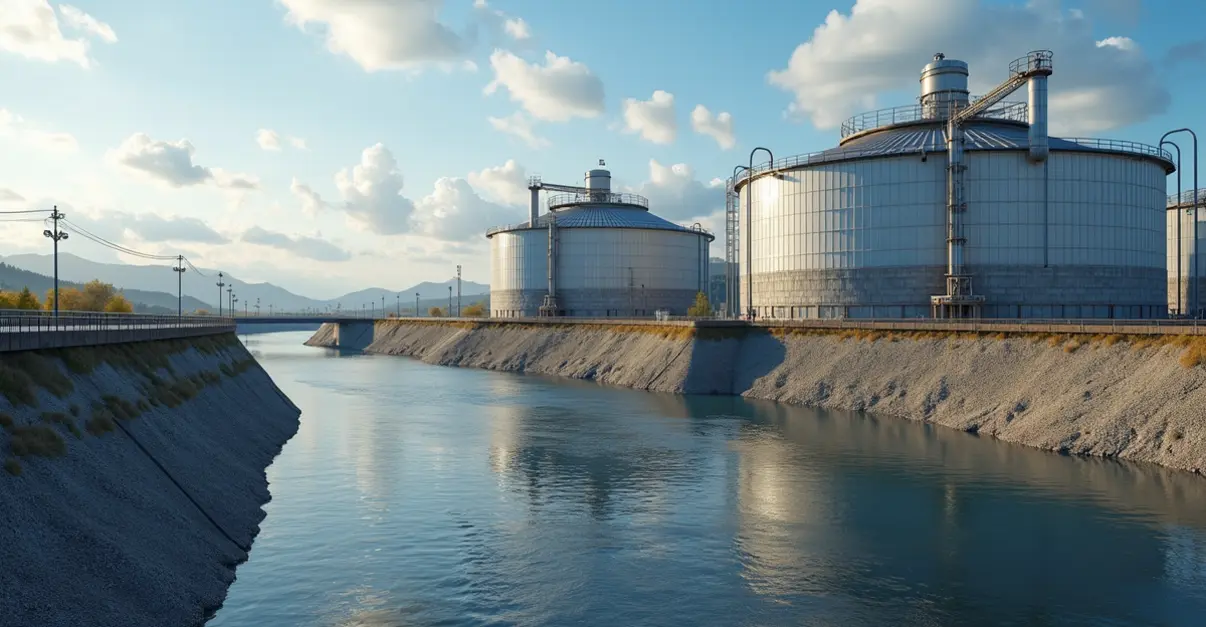
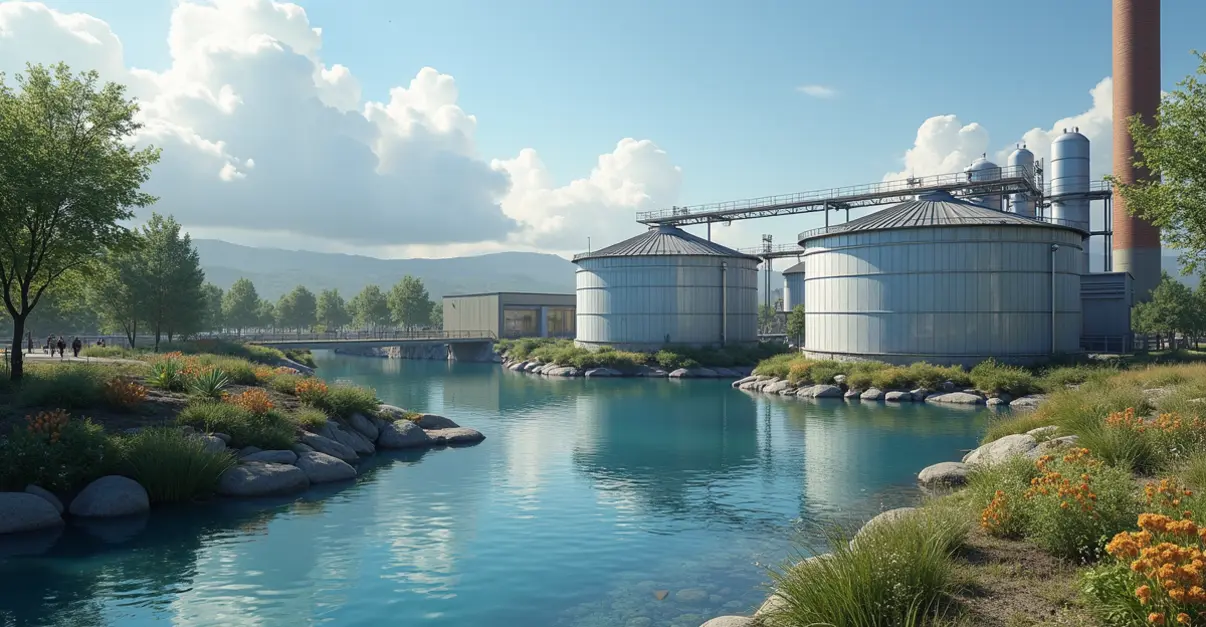
After years of planning and regulatory review, a major water reuse facility is approaching final approval, marking a significant step forward in sustainable water management for the region. The facility, which has been in development since 2022, is designed to treat and repurpose wastewater for non-potable uses, reducing strain on traditional water sources and creating a more resilient water supply system.
Capacity and Energy Efficiency Targets
The facility is projected to have an initial capacity of 10 million gallons per day, with plans for expansion to 15 million gallons per day by 2028. What makes this project particularly noteworthy is its ambitious energy efficiency targets. According to project documents, the facility aims to reduce energy consumption by 30% compared to conventional water treatment plants through the implementation of advanced membrane filtration systems and AI-based optimization.
'This isn't just about treating water—it's about doing it smarter and more efficiently,' said project manager Sarah Chen. 'We're incorporating the latest energy recovery technologies, including biogas utilization from sludge treatment, which could reduce our external energy demand by up to 25%.'
Regulatory Compliance and Environmental Standards
The facility has undergone extensive regulatory review to ensure compliance with both state and federal water quality standards. The project team has been working closely with the EPA's water reuse programs and state environmental agencies to meet all requirements. The regulatory framework for water reuse varies significantly by state, with some states like California and Florida having comprehensive programs while others offer more limited guidance.
'Navigating the regulatory landscape has been challenging but essential,' explained environmental compliance officer Michael Rodriguez. 'We've had to ensure compliance with everything from the Clean Water Act to state-specific recycled water regulations. The EPA's ECHO database has been invaluable for tracking compliance requirements.'
Municipal Contracts and Community Impact
Several municipalities have already signed preliminary agreements to purchase treated water from the facility once operational. These contracts represent a significant shift in how local governments approach water management, moving toward more sustainable and diversified water portfolios.
The facility will serve multiple purposes: providing irrigation water for parks and golf courses, industrial cooling water for local manufacturing plants, and supplemental water for environmental restoration projects. This multi-use approach maximizes the value of the treated water while reducing demand on potable water sources.
'These municipal contracts represent a new era in water management,' said city council member Jennifer Park. 'We're not just buying water—we're investing in water security and sustainability for future generations.'
Energy and Cost Considerations
Energy efficiency has been a central focus throughout the project's design phase. According to recent research published in energy journals, water treatment plants typically account for 30-40% of municipal energy budgets, making efficiency improvements crucial for both environmental and economic reasons. The facility's design incorporates several energy-saving features:
- High-efficiency pumping systems that can reduce energy consumption by 20-30%
- Advanced membrane filtration requiring 50% less energy than conventional surface water treatment
- Biogas recovery systems that convert waste products into usable energy
- Smart monitoring and control systems for real-time optimization
The project has also secured funding through the FY2025 Energy and Water Development Appropriations, which includes support for innovative water infrastructure projects.
Looking Ahead: Final Approval and Implementation
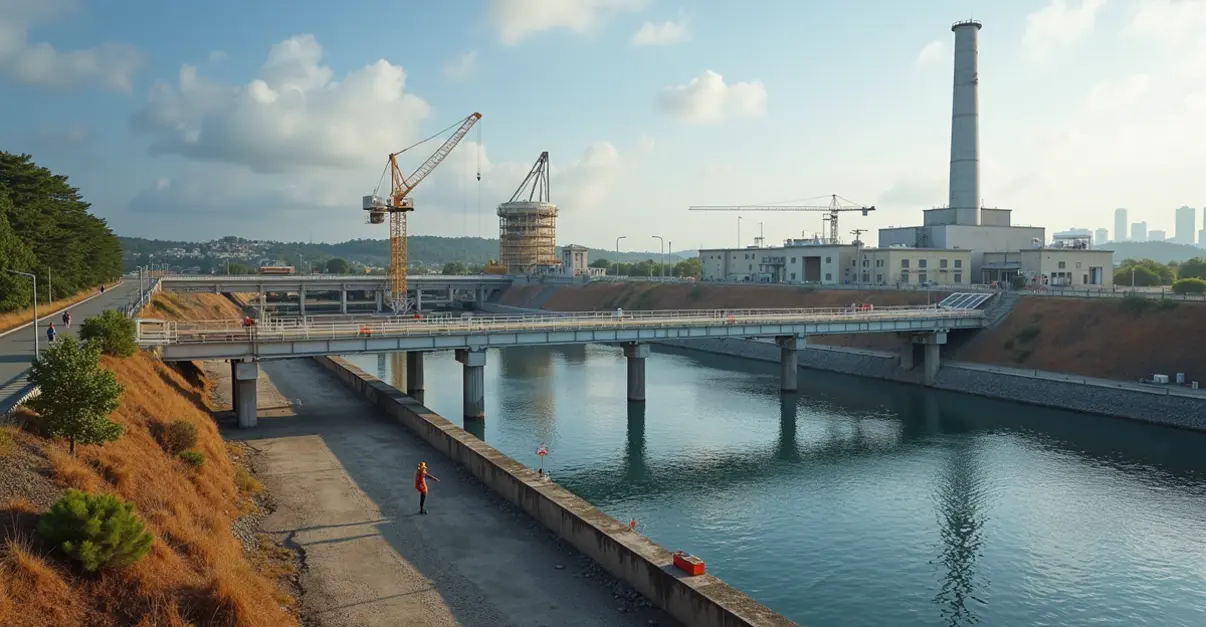
With final approval expected within the next 60 days, project teams are preparing for the construction phase. The facility is scheduled to begin operations in late 2026, with full capacity expected by mid-2027. Environmental groups have generally supported the project, though some have raised concerns about monitoring and long-term impacts.
'This facility represents the future of water management in water-stressed regions,' said water policy expert Dr. Robert Kim. 'As climate change intensifies drought conditions, projects like this will become increasingly important for maintaining water security.'
The project's success could serve as a model for other communities facing similar water challenges, demonstrating how advanced treatment technologies, energy efficiency, and innovative partnerships can create more sustainable water systems.

Follow Discussion