


 Deutsch
 English
 Español
 Français
 Nederlands
 Português


 Share
Share




Urban Centers Accelerate Clean Air Initiatives with Expanded Zero Emission Zones
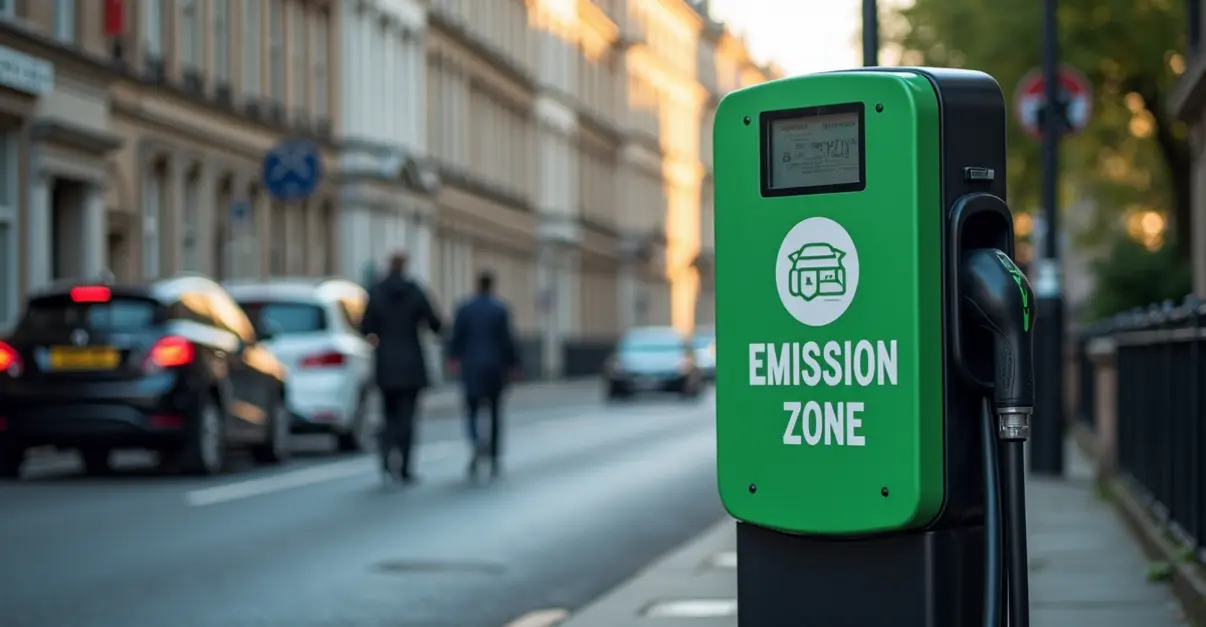
In a landmark move for urban environmental policy, major cities across Europe and North America have published comprehensive expansion plans for their Zero Emission Zones (ZEZs), signaling a significant acceleration in the fight against urban air pollution. The newly released documents outline ambitious timelines and expanded geographical coverage that will transform urban mobility in the coming years.
What the Expansion Plans Include
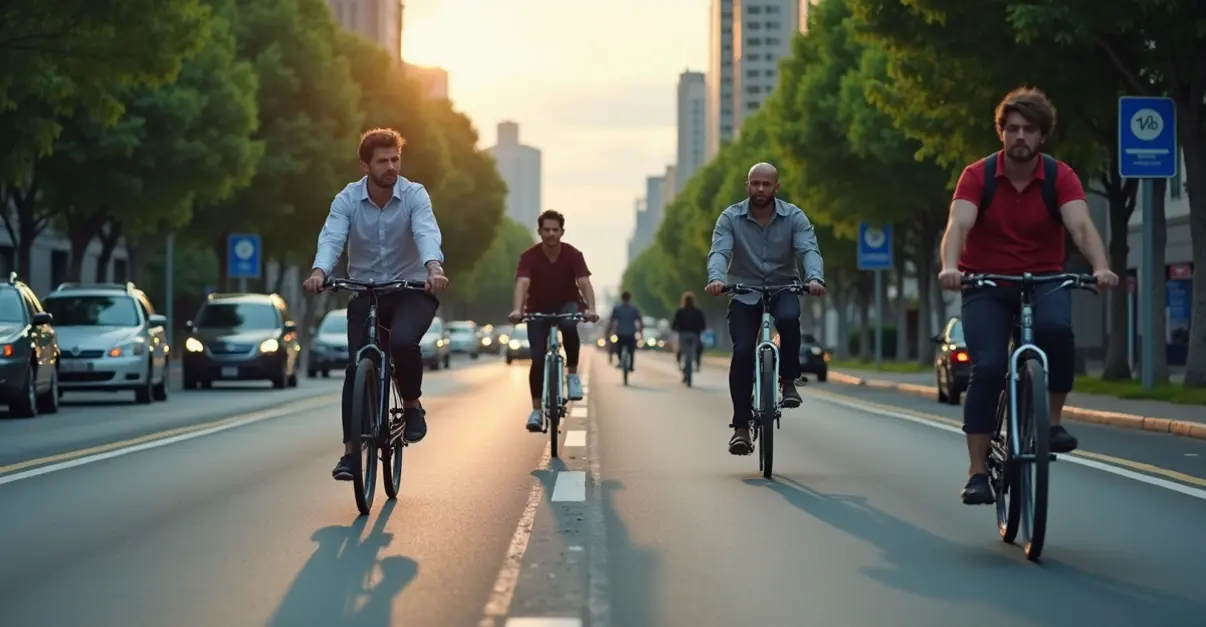
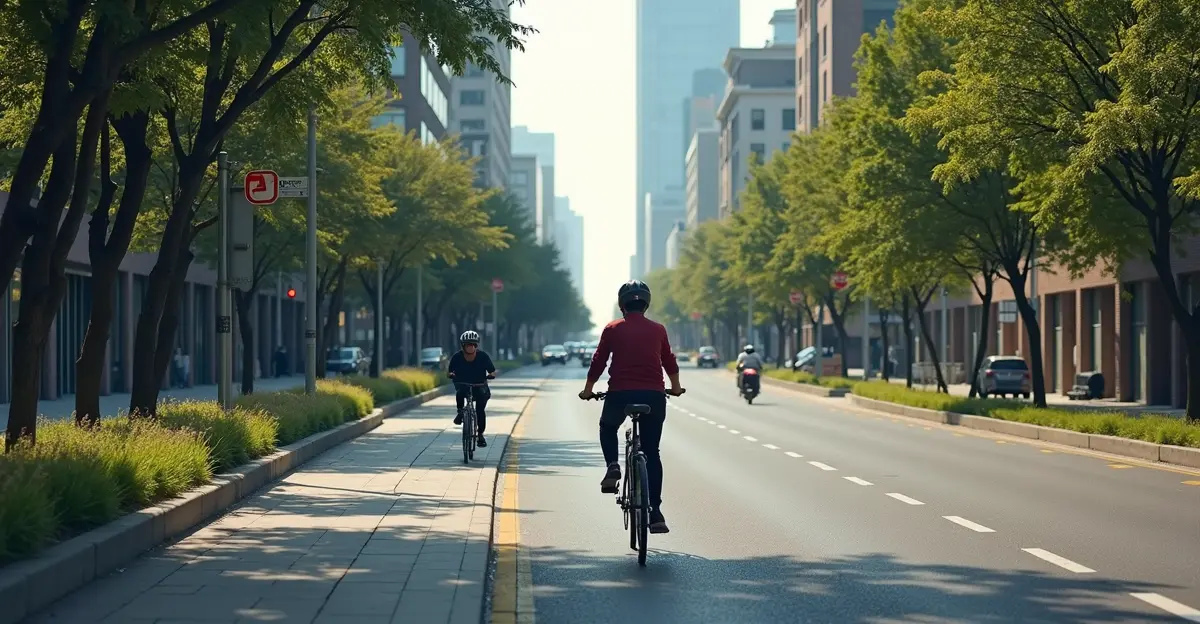
The expansion plans, released simultaneously by multiple municipal governments, detail phased implementations that will see ZEZs grow from their current limited coverage to encompass larger portions of city centers. According to the International Council on Clean Transportation's April 2025 visualization, these zones will progressively restrict access to internal combustion engine vehicles while creating dedicated corridors for electric vehicles, cyclists, and pedestrians.
'This isn't just about cleaner air—it's about fundamentally reimagining how people move through our cities,' said Lucas Schneider, the lead author of several municipal reports. 'The expansion plans represent a coordinated effort to create healthier, more livable urban environments while stimulating markets for clean transportation technologies.'
Policy Implications and Market Opportunities
The policy documents reveal sophisticated approaches to implementation, including graduated fee structures for non-compliant vehicles, extensive public transportation enhancements, and targeted support for commercial fleets transitioning to electric vehicles. Cities are adopting what the World Resources Institute calls 'strategic phasing', starting with commercial vehicles before expanding to private cars.
Market analysts predict significant economic ripple effects from these policies. 'We're seeing unprecedented investment in EV charging infrastructure, electric bus manufacturing, and smart city technologies,' noted transportation economist Maria Chen. 'The expansion plans create clear market signals that are driving innovation across multiple sectors.'
Community Impact and Equity Considerations
Perhaps the most sensitive aspect of the expansion plans involves their impact on diverse communities. The documents acknowledge potential socioeconomic challenges, particularly for low-income residents and small businesses that rely on older vehicles. To address these concerns, cities are implementing comprehensive support packages including vehicle retrofit subsidies, expanded public transit options, and targeted exemptions during transitional periods.
'Equity must be at the center of any environmental policy,' emphasized community organizer Jamal Washington. 'While we support cleaner air, we need to ensure that the burden of transition doesn't fall disproportionately on those least able to bear it.'
Technological Enforcement and Implementation
The expansion plans rely heavily on advanced technological systems for enforcement. Automated number-plate recognition (ANPR) cameras, integrated with real-time emissions monitoring, will form the backbone of compliance systems. According to technical specifications in the documents, these systems will be capable of distinguishing between different vehicle types and emissions profiles, allowing for nuanced enforcement that prioritizes public health outcomes.
The ICCT's working paper on ZEZ implementation provides crucial guidance that many cities have incorporated into their plans, particularly regarding stakeholder engagement and phased rollouts.
Global Context and Future Outlook
These expansion plans place participating cities at the forefront of a global movement toward urban sustainability. With London's Ultra Low Emission Zone already showing dramatic air quality improvements—reducing nitrogen dioxide levels by 44%—the expanded ZEZs aim to replicate and exceed these successes on a larger scale.
Looking ahead, the documents outline pathways toward complete zero-emission urban centers by 2035, with intermediate targets for 2028 and 2032. This long-term vision includes not just vehicle restrictions but comprehensive rethinking of urban design, prioritizing walking, cycling, and electrified public transit.
'What we're witnessing is the beginning of a fundamental transformation in urban living,' concluded Schneider. 'These expansion plans provide the roadmap, but their success will depend on continued collaboration between policymakers, businesses, and communities.'

Follow Discussion