


 Deutsch
 English
 Español
 Français
 Nederlands
 Português


 Share
Share




Balancing Predator Protection and Livestock Safety
As wolf populations rebound across North America, ranchers and conservationists are finding innovative ways to reduce livestock predation while protecting these iconic predators. The challenge is particularly acute in states like Colorado, where gray wolf restoration efforts are accelerating in 2025, and in Oregon, where established wolf packs have been testing new coexistence strategies.
Drone Technology Shows Promise
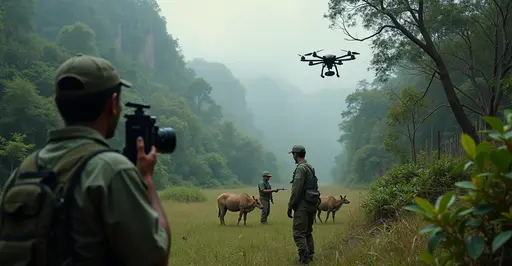
In southwestern Oregon, wildlife managers have achieved remarkable success using drones as non-lethal hazing tools. During a 2022 study, the Rogue Pack had been preying on cattle every other night, but during the 85-day drone testing period, attacks dropped to only two incidents. 'In one notable case, a drone interrupted an active wolf attack on a steer, saving the cow's life,' reported researchers from the USDA APHIS Wildlife Services program.
The drones served dual purposes - detecting wolves near livestock and hazing them away using speakers that broadcast human voices. While initially some wolves treated drones as toys, adding human voices through speakers proved effective. Before drone deployment, 11 cattle were killed in 20 days (0.55 depredations per night), but after drone introduction, only 2 cattle were killed over 85 days (0.024 depredations per night).
Colorado's Enhanced Approach for 2025
Colorado Parks and Wildlife (CPW) and the Colorado Department of Agriculture (CDA) are preparing for the second phase of gray wolf restoration in 2025, planning to translocate up to 15 wolves from British Columbia between January and March. 'We've learned valuable lessons from our first year and are significantly enhancing our Livestock Conflict Minimization Program,' said a CPW spokesperson.
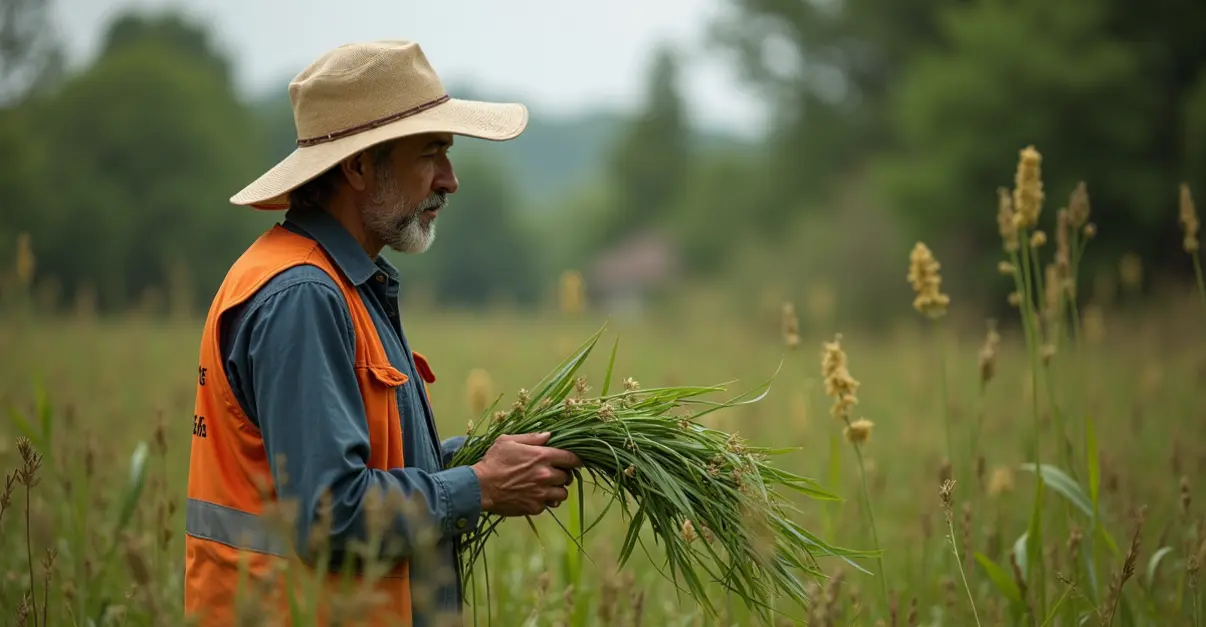
The improved program includes expanded site assessments conducted by multiple agencies, increased conflict specialist staffing (adding 5 wildlife damage specialists with 5 more planned), and the launch of a new Colorado Range Rider program in early 2025. The program offers grants up to $20,000 for non-lethal conflict reduction measures and provides specialized training for producers.
Economic Impacts and Stress Factors
A groundbreaking UC Davis study reveals the substantial economic impact of California's expanding gray wolf population on cattle ranchers. Research conducted from 2022-2024 found that a single wolf can cause between $69,000-$162,000 in losses due to reduced cattle pregnancy rates and decreased calf weight gain. 'We documented elevated cortisol levels in cattle exposed to wolves, indicating increased stress,' noted the lead researcher.
The study also found that 72% of wolf scat samples contained cattle DNA, indicating cattle are a major component of wolf diet. Total indirect losses across three wolf packs were estimated at $1.4-$3.4 million, highlighting the urgent need for sustainable coexistence strategies.
Comprehensive Non-Lethal Toolkit
According to recent research published in Rangelands (August 2025), nonlethal methods are achieving more significant risk reduction for cattle than lethal approaches. The USDA Wildlife Services Nonlethal Initiative indicates a growing shift toward nonlethal wolf management.
Effective methods identified include range riding, harassment, deterrents, and electric fencing, though their use varies geographically. 'Nonlethal livestock protection methods can effectively reduce conflicts while addressing the needs of ranchers, conservationists, and animal rights advocates,' the authors emphasized.
CPW will publish a comprehensive Wolf-Livestock Conflict Minimization Program Guide in December detailing all available tools, support resources, and management criteria. The agencies continue to hold educational workshops across the Western Slope to prepare communities for coexistence with wolves.
As wolf populations continue to expand and recolonize former territories, the success of these technological and policy innovations will determine whether we can achieve true coexistence between working landscapes and recovering predator populations.


Follow Discussion