


 Deutsch
 English
 Español
 Français
 Nederlands
 Português


 Share
Share




Global Plastic Waste to Hydrogen Conversion Pilot Launched
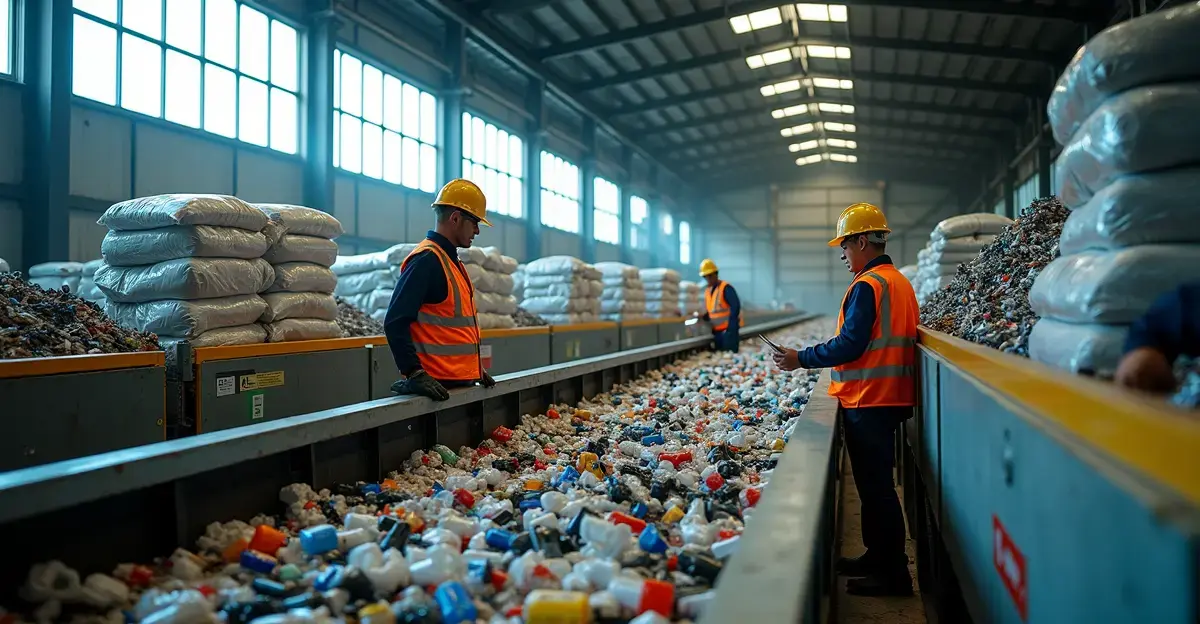
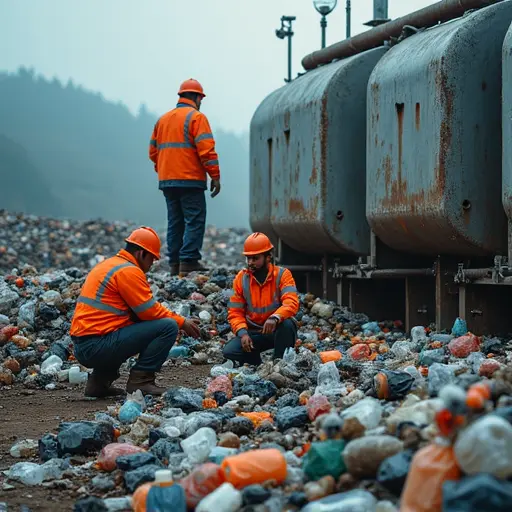
A groundbreaking facility in Wales is transforming ocean plastic waste into clean hydrogen fuel through an innovative pyrolysis process. The pilot plant, developed by Powerhouse Energy Group, processes non-recyclable plastics that would otherwise pollute oceans or landfills.
How the Technology Works
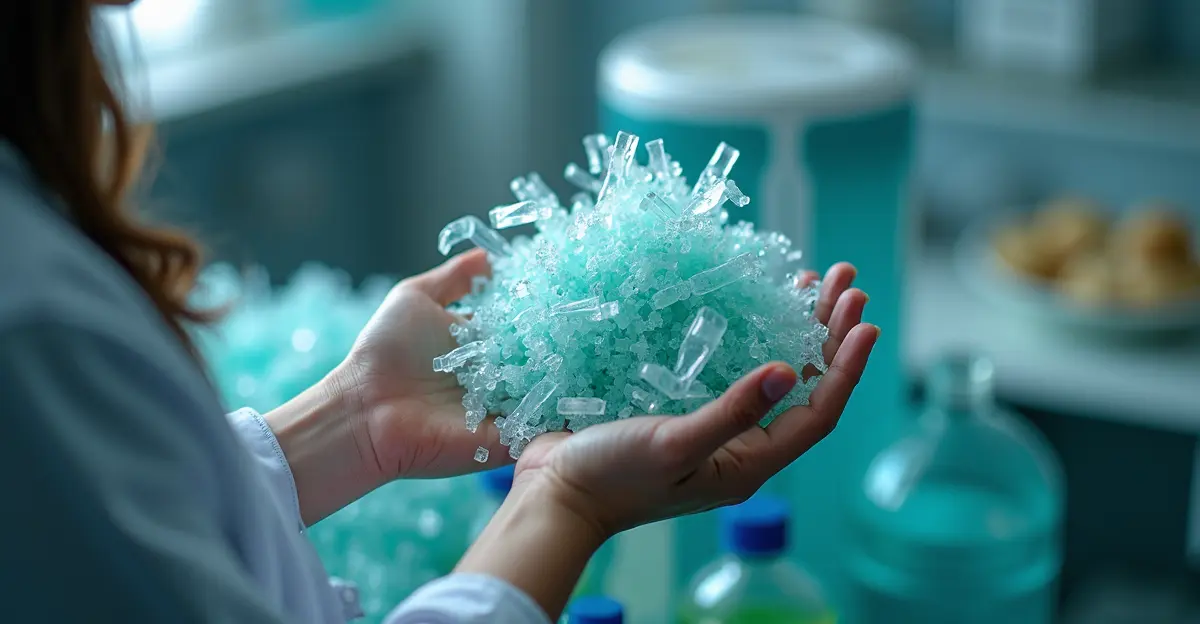
The system uses a Feedstock Testing Unit (FTU) that thermally decomposes plastic in an oxygen-free rotary kiln at high temperatures. This pyrolysis process breaks down plastics into syngas - a mixture containing 40-60% hydrogen along with methane and carbon monoxide. After purification, the hydrogen can power fuel cells, vehicles, or industrial processes.
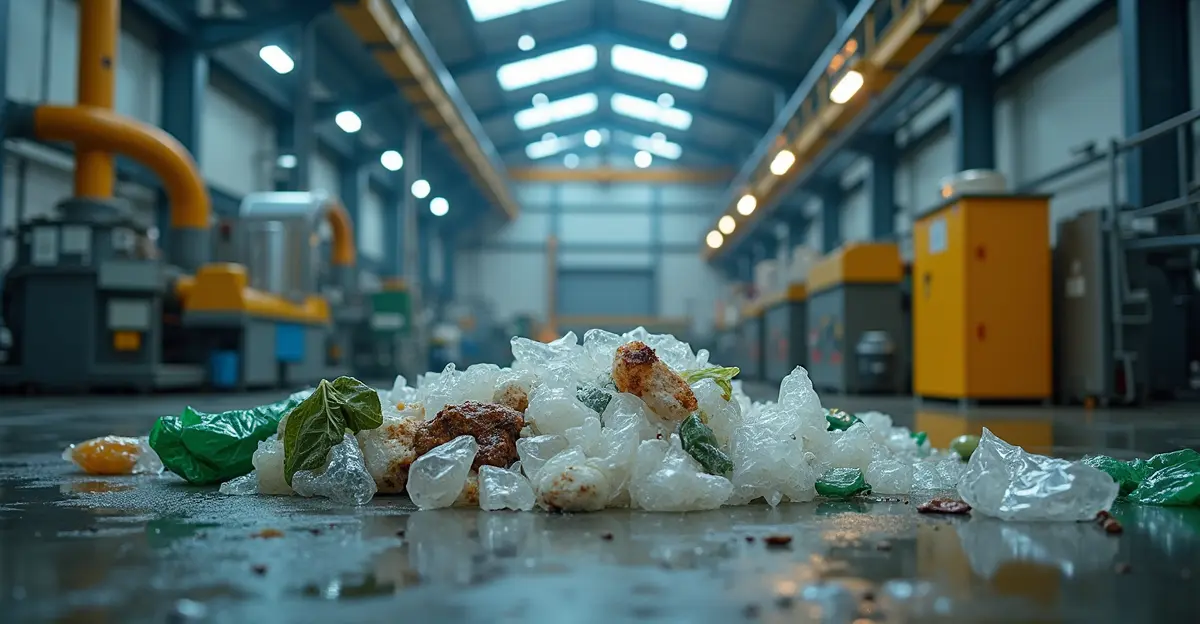
Current operations process 2.5 tonnes of plastic daily, but the technology is designed to scale to 35 tonnes per day. The flexible system can handle mixed or contaminated plastics that traditional recycling cannot process.
Environmental Impact
This approach addresses two critical environmental challenges simultaneously:
- Diverts plastic from oceans where 8 million tonnes enter annually
- Produces clean-burning hydrogen fuel without fossil fuels
- Reduces landfill waste and prevents toxic emissions from incineration
Early tests show consecutive days of stable operation with promising syngas yields. The company is optimizing parameters to maximize hydrogen output from different plastic types.
Future Potential
If successfully scaled, this technology could:
- Create hydrogen fueling stations near coastal waste collection points
- Provide economic incentives for ocean cleanup initiatives
- Displace 15-20% of diesel in waste collection vehicles
- Reduce plastic pollution in marine ecosystems
The project represents a significant advancement in waste-to-energy technology and supports global decarbonization goals. Similar projects are now being considered in Southeast Asia and South America where ocean plastic accumulation is most severe.

Follow Discussion