


 Deutsch
 English
 Español
 Français
 Nederlands
 Português


 Share
Share




Scientists Discover Enhanced PET-Degrading Enzymes
Researchers worldwide are making significant strides in developing enzymes capable of breaking down polyethylene terephthalate (PET) plastics, offering new hope in the fight against plastic pollution. Recent laboratory discoveries have revealed enhanced versions of natural enzymes that can digest plastic waste at unprecedented rates.
The Science Behind Plastic Digestion
The breakthrough builds on the 2016 discovery of Ideonella sakaiensis, a bacterium found near a plastic bottle recycling facility in Sakai, Japan. This remarkable microorganism produces two key enzymes: PETase, which breaks down PET plastic into smaller compounds, and MHETase, which further decomposes these compounds into terephthalic acid and ethylene glycol - the basic building blocks of PET that can be reused to create new plastic products.
PET is the most common thermoplastic polymer resin of the polyester family, used extensively in clothing fibers, food containers, and beverage bottles. Global PET production reached 56 million tons in 2016, with packaging applications accounting for about 30% of demand.
Recent Laboratory Advancements
Scientists have been engineering these natural enzymes to work faster and more efficiently. Through protein engineering and directed evolution techniques, researchers have created mutant enzymes that can break down PET plastics in days rather than the weeks required by natural processes. These enhanced enzymes operate at moderate temperatures, making them suitable for industrial applications.
The latest research focuses on improving enzyme stability, reaction speed, and compatibility with different plastic types. Some teams are developing enzyme cocktails that can handle mixed plastic waste streams, while others are creating enzymes that work on other common plastics beyond PET.
Environmental Impact and Applications
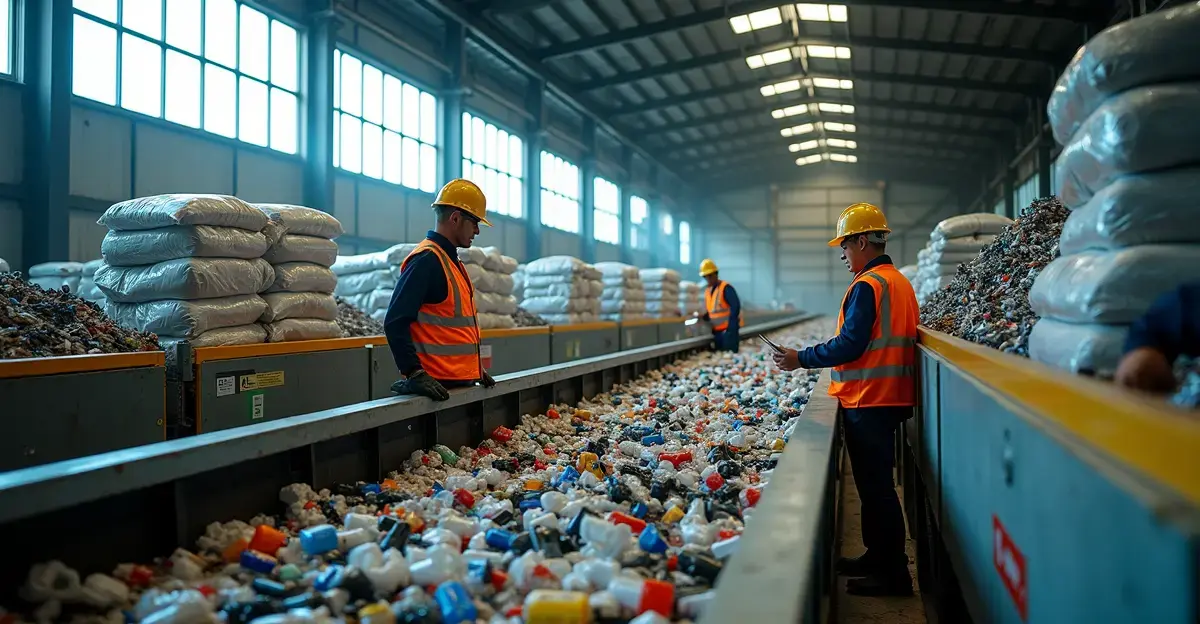
This technology promises to transform plastic recycling by enabling true circular economy solutions. Instead of downcycling plastic into lower-quality products, enzyme-based recycling can break plastics down to their molecular components, allowing for the creation of virgin-quality new plastic without additional petroleum extraction.
Industrial applications are already being tested, with several companies piloting enzyme-based recycling facilities. These systems could significantly reduce plastic pollution in oceans and landfills while decreasing reliance on fossil fuels for plastic production.
Challenges and Future Directions
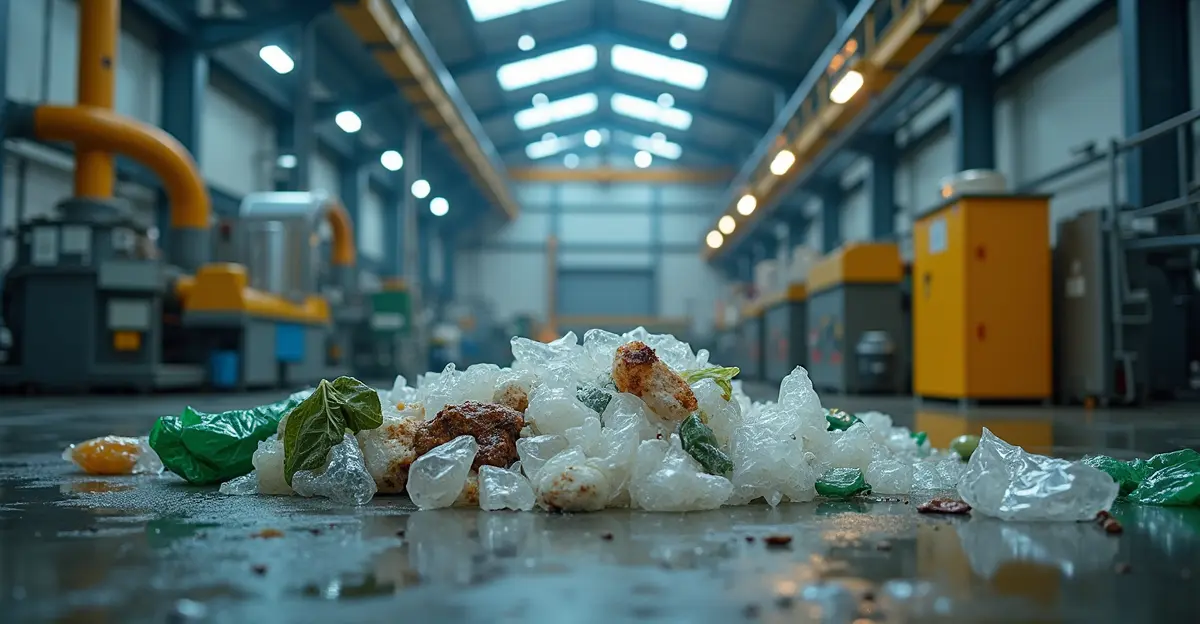
Despite the promising advances, challenges remain in scaling up enzyme technology for widespread commercial use. Researchers are working on cost-effective production methods, enzyme stability under industrial conditions, and integration with existing recycling infrastructure.
The future of plastic-eating enzymes looks bright, with potential applications extending beyond recycling to environmental cleanup operations. Scientists envision deploying these enzymes in contaminated sites, ocean cleanup efforts, and even in consumer products designed to break down plastic waste.

Follow Discussion