


 Deutsch
 English
 Español
 Français
 Nederlands
 Português


 Share
Share




Global Plastic Waste Pact Moves from Negotiation to Implementation Phase
The international community has reached a critical turning point in the fight against plastic pollution as the Global Plastic Waste Pact transitions from negotiation to implementation. With over 500 million tonnes of plastic consumed globally in 2024 and projections showing plastic waste could triple to 1.2 billion tonnes by 2060 without intervention, the implementation phase represents humanity's most significant coordinated effort to address this environmental crisis. The pact's success now hinges on national commitments, financing mechanisms, and private sector engagement to achieve ambitious collection targets.
What is the Global Plastic Waste Pact?
The Global Plastic Waste Pact, formally known as the Intergovernmental Negotiating Committee (INC) on Plastic Pollution, was established following a historic UN Environment Assembly resolution in March 2022. The legally binding treaty aims to address plastic pollution throughout its entire lifecycle, from production and design to disposal and recycling. After multiple negotiation sessions that saw significant challenges, including the failed INC-5.2 talks in Geneva during August 2025, the pact has now entered its implementation phase with organizational sessions continuing into 2026.
National Commitments: The Foundation of Implementation
Countries worldwide are now translating treaty obligations into concrete national action plans. The implementation framework requires each signatory nation to establish specific, measurable targets for plastic waste reduction and management. According to analysis from the Congressional Research Service, successful implementation depends on several key elements:
- Collection Targets: Nations must establish ambitious plastic waste collection rates, with many developed countries targeting 90% collection by 2030
- Recycling Infrastructure: Building or upgrading facilities to process collected plastics effectively
- Extended Producer Responsibility (EPR): Mandating that producers take responsibility for the entire lifecycle of their plastic products
- Policy Harmonization: Aligning national regulations with international standards to facilitate global cooperation
The U.S. Plastics Pact Roadmap to 2025 provides a model for national implementation, with its four key targets: eliminating problematic packaging, making 100% of packaging reusable/recyclable/compostable, recycling or composting 50% of plastic packaging, and achieving 30% recycled or bio-based content. Similar frameworks are emerging across Europe, Asia, and developing nations, though implementation timelines vary significantly based on existing infrastructure and resources.
Financing the Transition: Bridging the $2.1 Trillion Gap
The financial challenge represents one of the most significant barriers to successful implementation. According to recent analysis, an estimated $2.1 trillion is needed for comprehensive plastic waste management by 2040. The Global Environment Facility (GEF) has outlined several financing mechanisms to support implementation:
Public Funding Mechanisms
Governments are exploring various approaches to fund plastic waste management infrastructure. The GEF's proposed financial mechanisms include:
- Direct grants for developing countries to build collection and recycling systems
- Technical assistance programs to improve waste management capacity
- Blended finance approaches combining public and private capital
- Results-based financing tied to specific collection and recycling outcomes
Private Sector Investment Opportunities
The private sector is increasingly recognizing both the environmental imperative and business opportunities in plastic waste management. The Plastics Circularity Investment Tracker by The Circulate Initiative reveals growing investment in circular economy solutions. Key areas attracting private capital include:
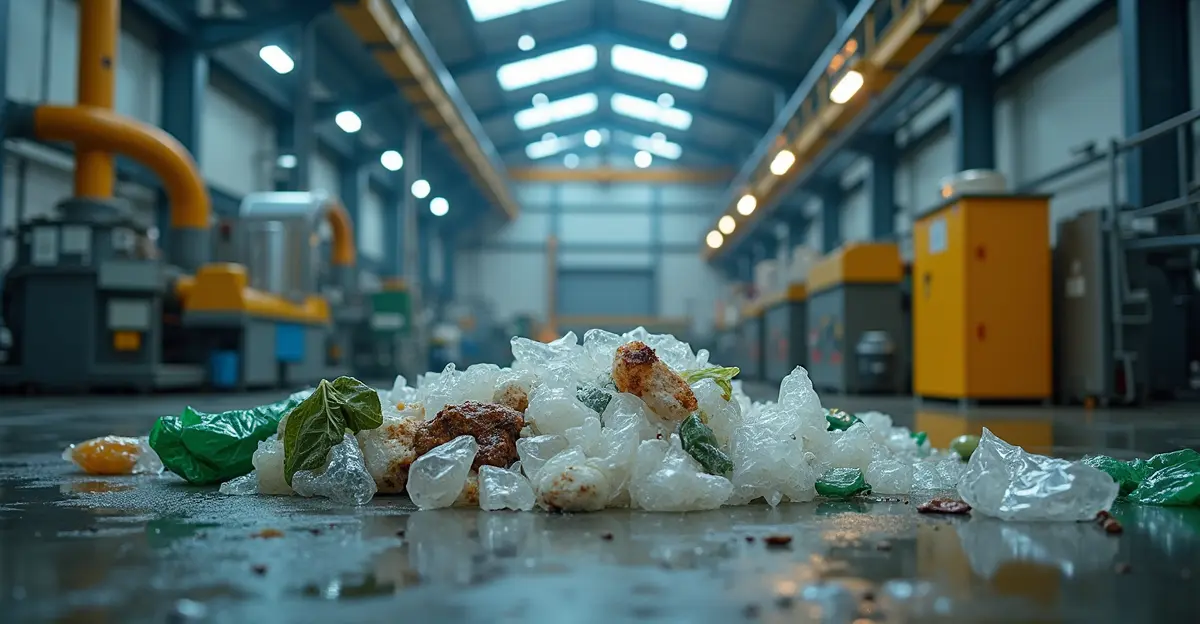
- Advanced recycling technologies capable of processing complex plastic streams
- Collection and sorting infrastructure in underserved regions
- Alternative material development and bioplastics production
- Digital platforms for waste tracking and management optimization
Private Sector Roles: From Problem to Solution Partners
Major corporations are transitioning from being part of the plastic pollution problem to becoming essential partners in the solution. This shift is driven by both regulatory pressure and consumer demand for sustainable practices. Key private sector contributions include:
Corporate Commitments and EPR Implementation
Leading consumer goods companies are implementing Extended Producer Responsibility programs that go beyond minimum regulatory requirements. These initiatives include:
- Designing products for recyclability from the outset
- Investing in collection infrastructure in markets where they operate
- Incorporating recycled content into packaging materials
- Supporting informal waste sector integration into formal collection systems
Innovation and Technology Development
The private sector is driving technological innovation in plastic waste management. Recent advancements include:
- Chemical recycling processes that can handle contaminated or mixed plastics
- AI-powered sorting systems that improve recycling efficiency
- Blockchain solutions for tracking plastic materials through the value chain
- Biodegradable alternatives to conventional plastics
Collection Targets: The Implementation Challenge
Meeting ambitious collection targets represents one of the most significant implementation challenges. Current global plastic waste collection rates vary dramatically, from over 90% in some developed nations to less than 10% in many developing countries. The pact's implementation requires addressing several key barriers:
Infrastructure Development
Building collection infrastructure in underserved regions requires substantial investment and technical expertise. The EPA's National Strategy to Prevent Plastic Pollution outlines a comprehensive approach that includes:
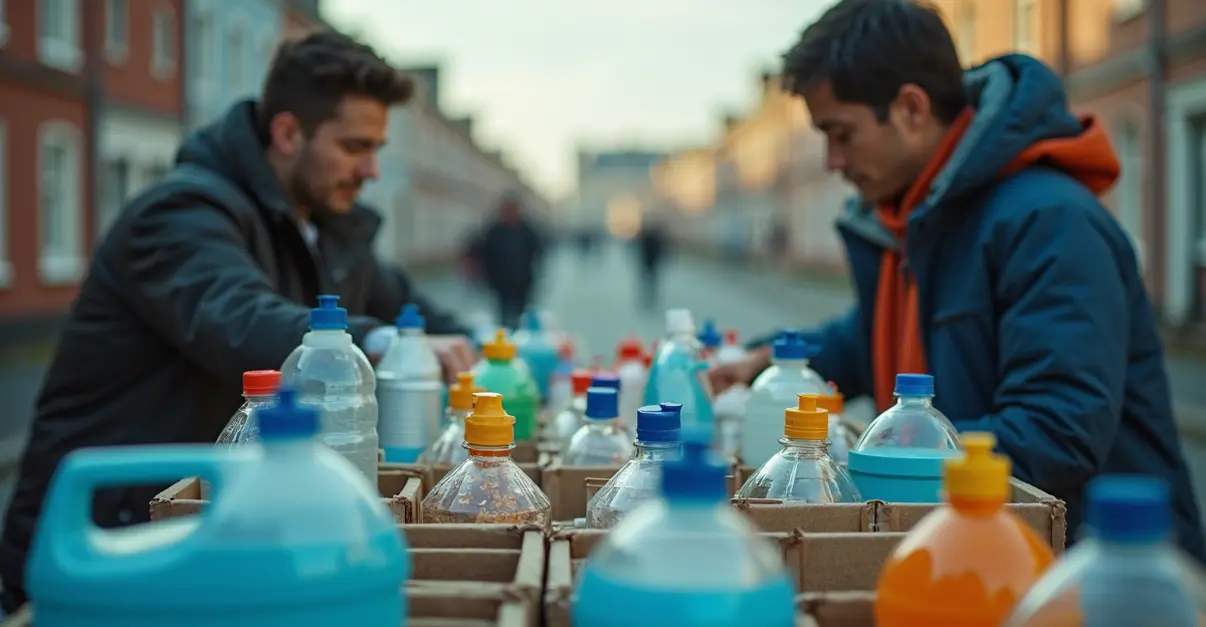
- Developing community-based collection systems
- Integrating informal waste pickers into formal systems
- Creating economic incentives for proper waste disposal
- Implementing deposit-return schemes for beverage containers
Behavioral Change and Public Engagement
Successful implementation requires changing consumer behavior and building public support. Strategies include:
- Public awareness campaigns about proper waste disposal
- Education programs in schools and communities
- Incentive systems for recycling participation
- Clear labeling and disposal instructions on products
Impact and Implications of Successful Implementation
The successful implementation of the Global Plastic Waste Pact would have far-reaching environmental, economic, and social implications. According to environmental economists, reducing plastic pollution could prevent an estimated $281 trillion in cumulative damage by 2060. Key benefits include:
- Environmental Protection: Reduced plastic leakage into oceans and ecosystems
- Economic Opportunities: Creation of millions of jobs in waste management and recycling
- Public Health Improvements: Reduced exposure to microplastics and toxic additives
- Resource Conservation: More efficient use of petroleum and other raw materials
The transition also presents challenges, particularly for developing nations that may require significant international support to build necessary infrastructure. The ISWA Plastic Treaty Task Force emphasizes that equitable implementation requires addressing capacity gaps and providing adequate financing to all nations.
Expert Perspectives on Implementation Challenges
Environmental policy experts emphasize that successful implementation requires overcoming several persistent challenges. "The transition from negotiation to implementation represents the most difficult phase of any international environmental agreement," notes Dr. Elena Rodriguez, a senior policy analyst at the World Resources Institute. "We need robust monitoring, adequate financing, and genuine political commitment at both national and local levels."
Industry leaders also recognize the scale of the challenge. "The private sector must move beyond voluntary commitments to systemic change," says Michael Chen, sustainability director at a major consumer goods company. "This requires redesigning products, rethinking supply chains, and investing in circular infrastructure at unprecedented scale."
Frequently Asked Questions
What is the timeline for Global Plastic Waste Pact implementation?
Implementation is already underway, with national action plans due by 2027 and initial collection targets to be met by 2030. Full implementation of all treaty provisions is expected by 2040.
How will developing countries finance plastic waste management infrastructure?
Developing countries will access funding through the Global Environment Facility, multilateral development banks, and results-based financing mechanisms like plastic credits. International cooperation and technology transfer will also play crucial roles.
What role do consumers play in implementation?
Consumers are essential for successful implementation through proper waste disposal, participation in recycling programs, and supporting companies with sustainable practices. Consumer demand also drives corporate innovation in sustainable packaging.
How are collection targets determined for different countries?
Collection targets are based on each country's current infrastructure, economic capacity, and waste generation patterns. The pact includes differentiated responsibilities, with developed nations expected to achieve higher targets sooner while supporting developing nations' progress.
What happens if countries fail to meet their commitments?
The treaty includes compliance mechanisms, technical assistance for struggling nations, and regular reporting requirements. While enforcement mechanisms are still being developed, peer pressure and international scrutiny provide additional incentives for compliance.
Future Outlook and Conclusion
The implementation phase of the Global Plastic Waste Pact represents humanity's most comprehensive effort to address plastic pollution. While challenges remain in financing, infrastructure development, and international coordination, the framework now exists for meaningful action. Success will require sustained commitment from governments, innovative solutions from the private sector, and active participation from citizens worldwide. As implementation progresses through 2026 and beyond, the world will be watching to see if this ambitious agreement can translate from paper promises to tangible reductions in plastic pollution.


Follow Discussion