


 Deutsch
 English
 Español
 Français
 Nederlands
 Português


 Share





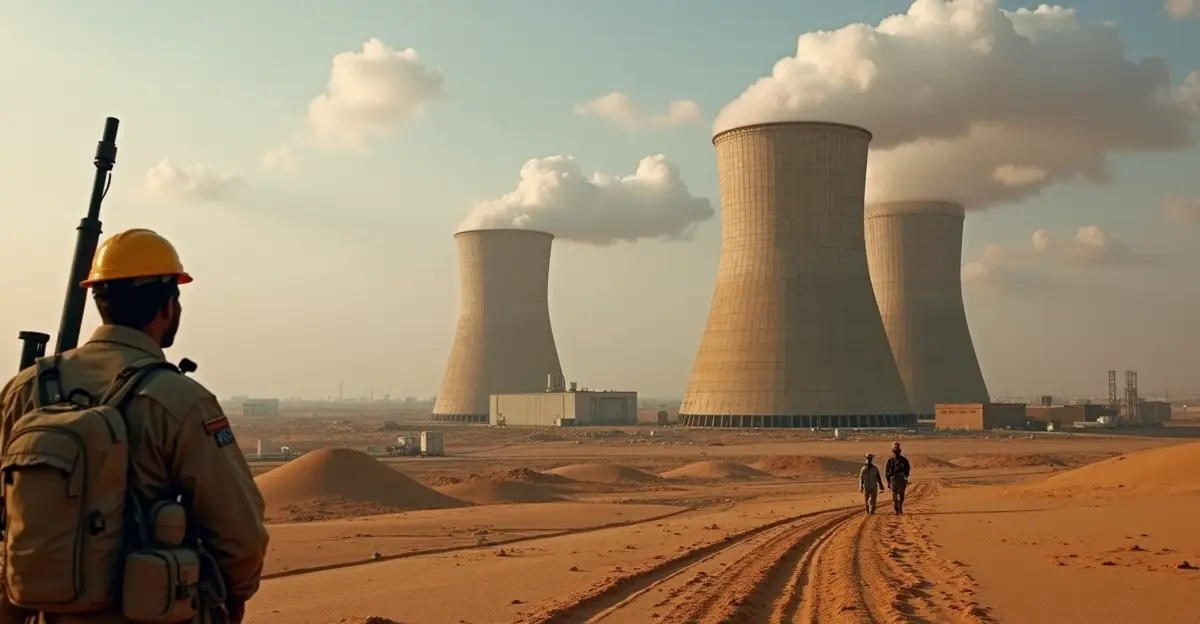
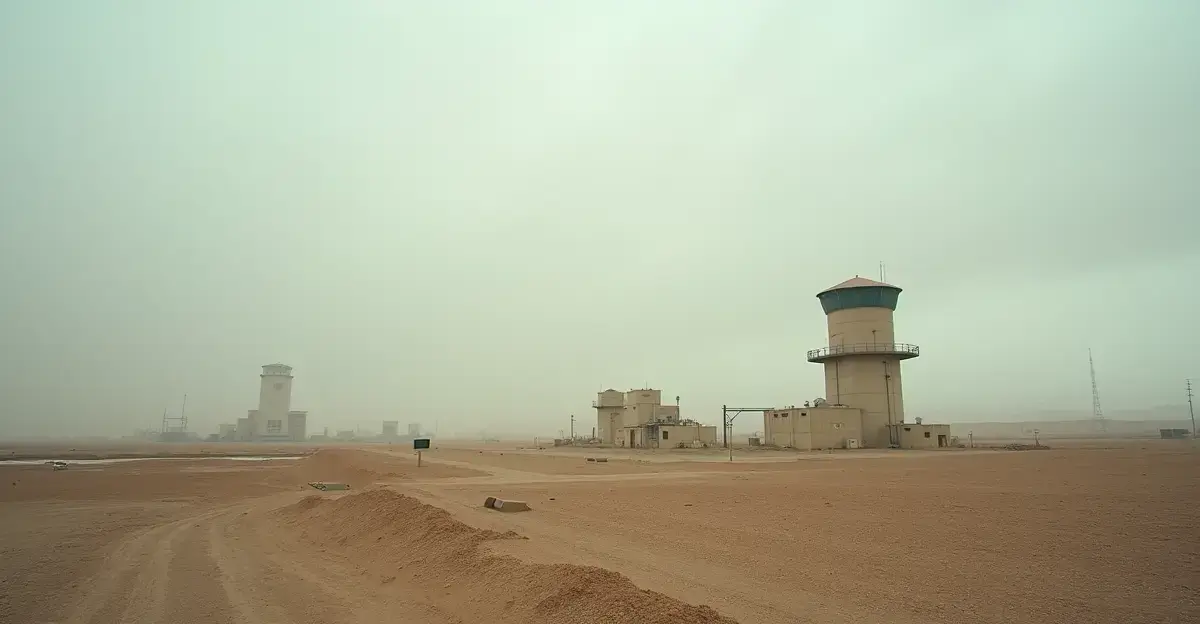
The Xudabao nuclear power plant in China's Liaoning province is nearing operational status, powered by fresh deliveries of Russian uranium, and is poised to become the world's largest nuclear power station. With four reactors under construction and plans for a total of six units, the coastal facility near Xingcheng marks a decisive step in Beijing's plan to more than triple nuclear capacity by 2035.
What Is the Xudabao Nuclear Power Plant?
Xudabao, also known as Xudapu, is a nuclear power station under construction in Xudabao Village, Haibin County, Xingcheng, Huludao, on the coast of Liaoning province in northeast China. The project is majority-owned by China National Nuclear Corporation (CNNC) with 70%, alongside Datang International Power Generation Company (20%) and State Development and Investment Corporation (10%).
Originally planned for six AP1000 or CAP1000 light-water reactors, the site's first units to break ground were changed to Russian VVER-1200 designs. This shift reflects deepening Russia-China nuclear cooperation despite Western sanctions on Moscow's energy sector.
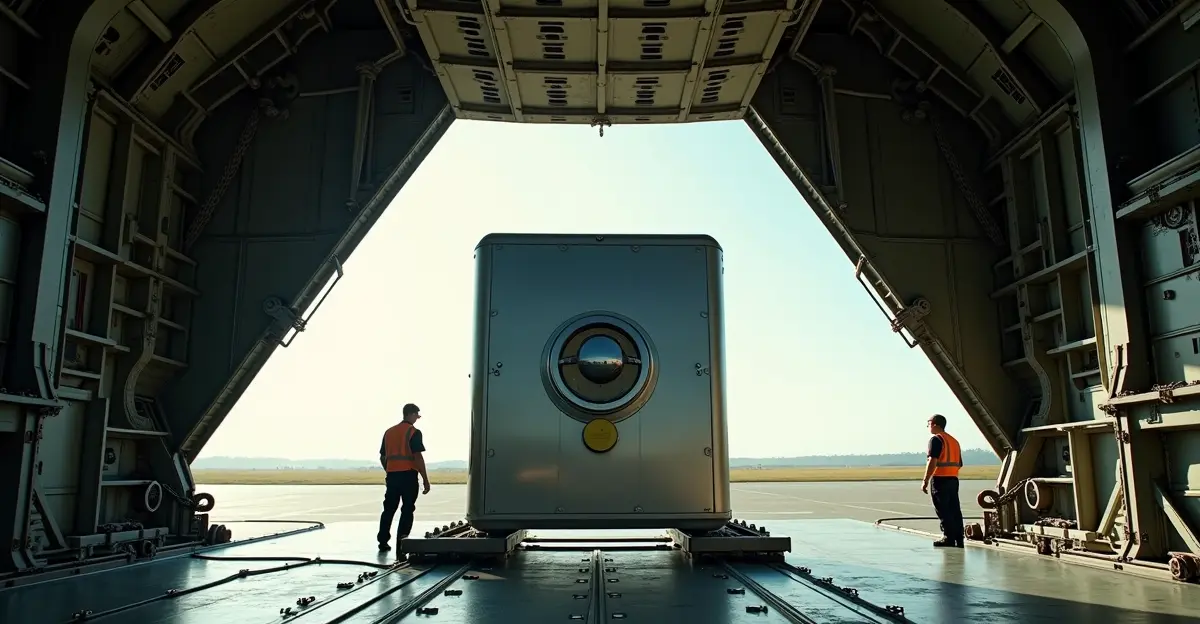
Russian Uranium Delivery Powers Progress
Rosatom's fuel division has delivered the first batches of uranium fuel for the VVER-1200 reactors at Xudabao units 3 and 4, according to project updates. Unit 3 received its first concrete pour on 28 July 2021, and Unit 4 followed in May 2022. In December 2024, the reactor vessel for Unit 4 was installed.
'The delivery of Russian uranium removes the final major supply bottleneck for fuel loading and brings the plant closer to grid connection,' said an industry analyst familiar with the project. Commercial operation of both Russian-designed units is expected by 2028, with the plant gradually scaling to full capacity.
How Big Is the World's Largest Nuclear Plant?
When fully built, Xudabao is planned to host six reactors with a combined capacity that could exceed 6,000 megawatts, making it one of the largest nuclear power stations globally. For comparison:
- Kashiwazaki-Kariwa (Japan): 7,965 MW net capacity, currently offline
- Bruce (Canada): 6,550 MW net capacity, largest operating plant
- Kori (South Korea): 7,489 MW net capacity
- Xudabao (China): planned 6,000+ MW across six units
China's broader fleet already ranks second globally with 65 reactors and 63.4 GWe installed as of September 2026, trailing only the United States.
Impact and Implications
The near-completion of Xudabao underscores Beijing's push for energy security and its reliance on Russian nuclear technology. While China aims for self-reliance in reactor design, the VVER-1200 partnership with Rosatom remains central to its expansion. The plant will help replace coal-fired capacity in Liaoning, a heavy industrial province, and support China's goal of 200 GWe nuclear capacity by 2035.
However, the project also tightens the global uranium supply chain between Moscow and Beijing at a time when Western nations are reducing Russian energy imports. Analysts warn that China's nuclear buildout could concentrate enriched uranium demand in Russia, reshaping global nuclear fuel markets.
FAQ
Where is the Xudabao nuclear power plant located?
Xudabao is located in Xudabao Village, Haibin County, Xingcheng, Huludao, on the coast of Liaoning province in northeast China.
Which reactors are being built at Xudabao?
Four reactors are under construction: two Russian VVER-1200 units (3 and 4) and two Chinese CAP1000 units (1 and 2). A total of six units are planned.
When will Xudabao become operational?
The first VVER-1200 units are expected to begin commercial operation by 2028, with gradual commissioning of additional reactors through the early 2030s.
Why is Russian uranium important for Xudabao?
Russian uranium fuel supplies the VVER-1200 reactors, which use Russian-designed fuel assemblies. Recent deliveries remove a key supply bottleneck ahead of fuel loading.
How does Xudabao compare to other nuclear plants?
Once fully built, Xudabao's planned six reactors could exceed 6,000 MW, rivaling or surpassing Kashiwazaki-Kariwa, Bruce, and Kori as the world's largest nuclear power station.
Follow Discussion