Nederlands
 English
 Deutsch
 Français
 Español
 Português





Hydrogen Ferry Service Commercial Launch: A New Era in Maritime Transport
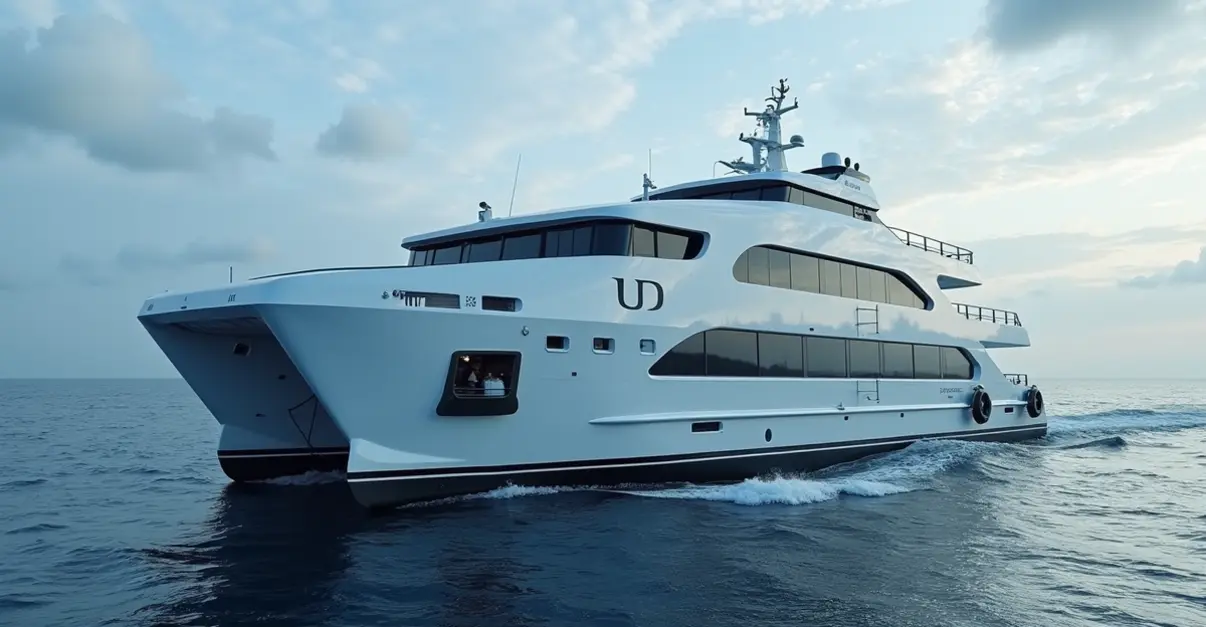
The maritime industry is witnessing a revolutionary shift as commercial hydrogen ferry services launch across Europe and North America, promising zero-emission transportation but facing significant economic and logistical challenges. These pioneering vessels represent the cutting edge of green shipping technology, yet their success depends on solving complex route economics, refueling logistics, and ensuring genuine environmental benefits.
The Pioneering Vessels Leading the Charge
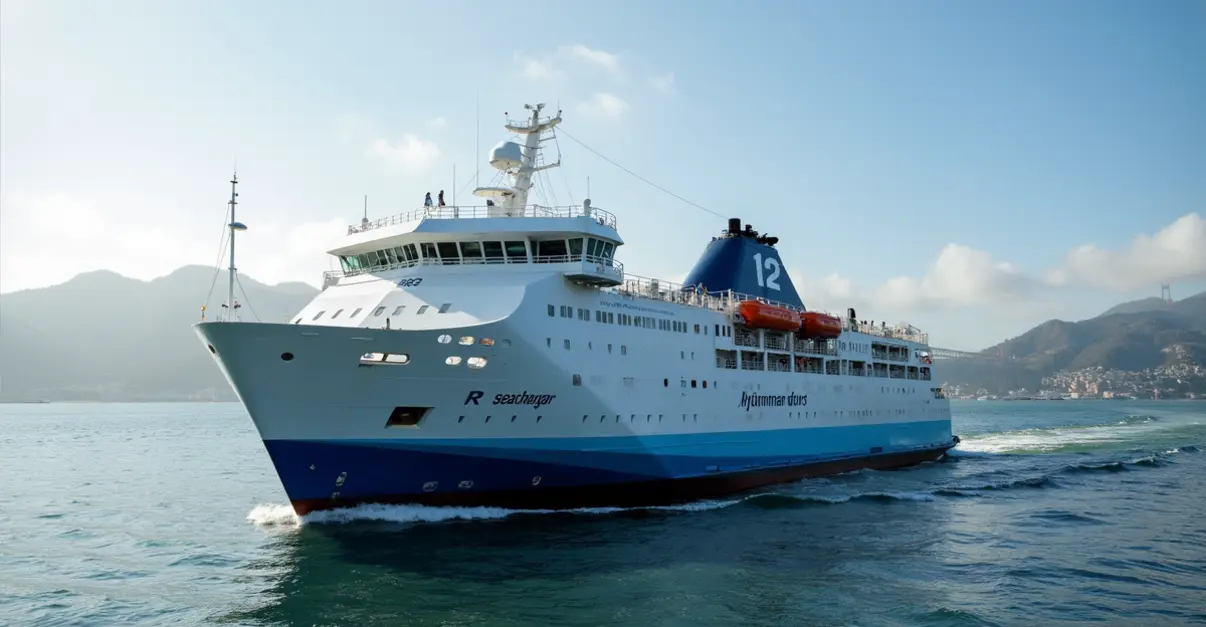
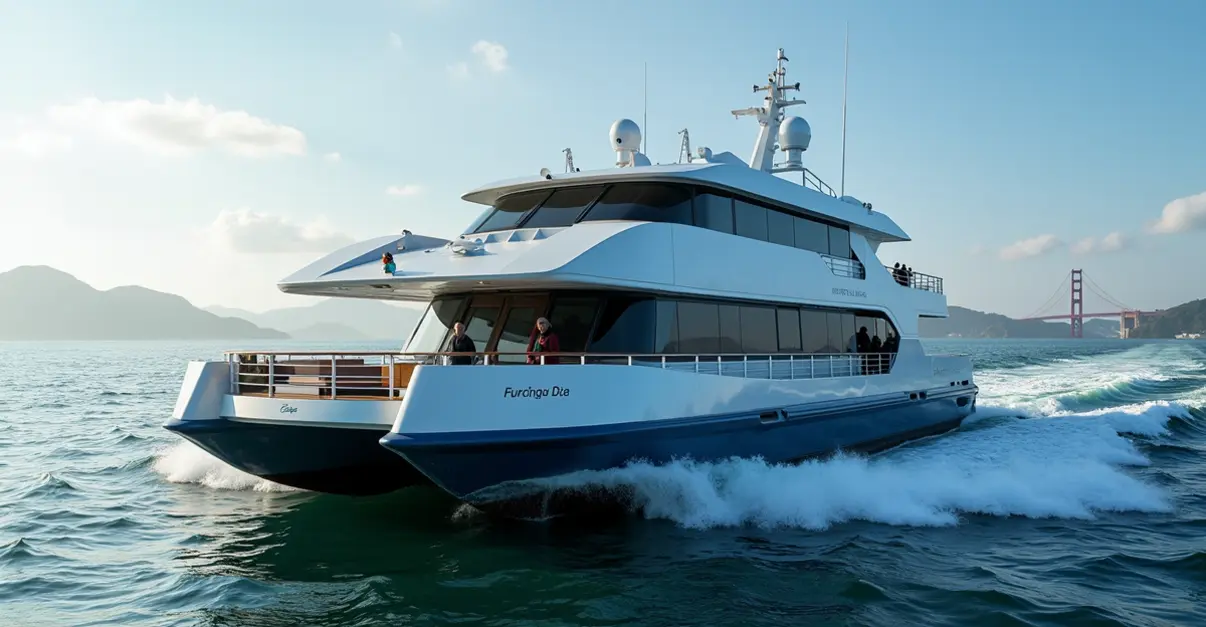
Several groundbreaking hydrogen ferries have entered service in recent years, each demonstrating different approaches to zero-emission maritime transport. The Sea Change, operating in California's Bay Area, is the world's first commercial hydrogen fuel cell passenger ferry. This 70-foot vessel carries 75 passengers and features a 360 kW fuel cell system from Cummins, representing a major milestone in zero-emission maritime technology.
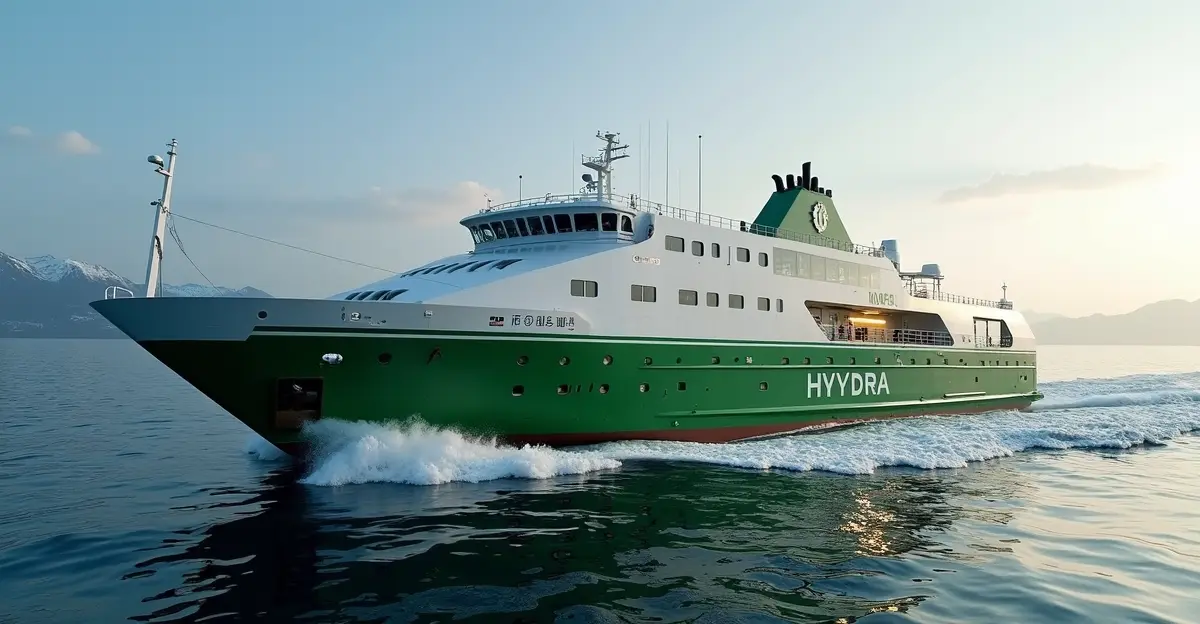
In Norway, MF Hydra made history as the world's first passenger ferry to operate on liquid hydrogen. Commissioned by Norled, this vessel operates between Hjelmeland and Nesvik in Norway and required creating entirely new regulations and classification standards for hydrogen fuel on passenger ships. 'The development required creating new regulations and classification standards for hydrogen fuel on passenger ships, paving the way for broader adoption of hydrogen technology in maritime transport globally,' notes the project documentation.
Route Economics: The Financial Reality
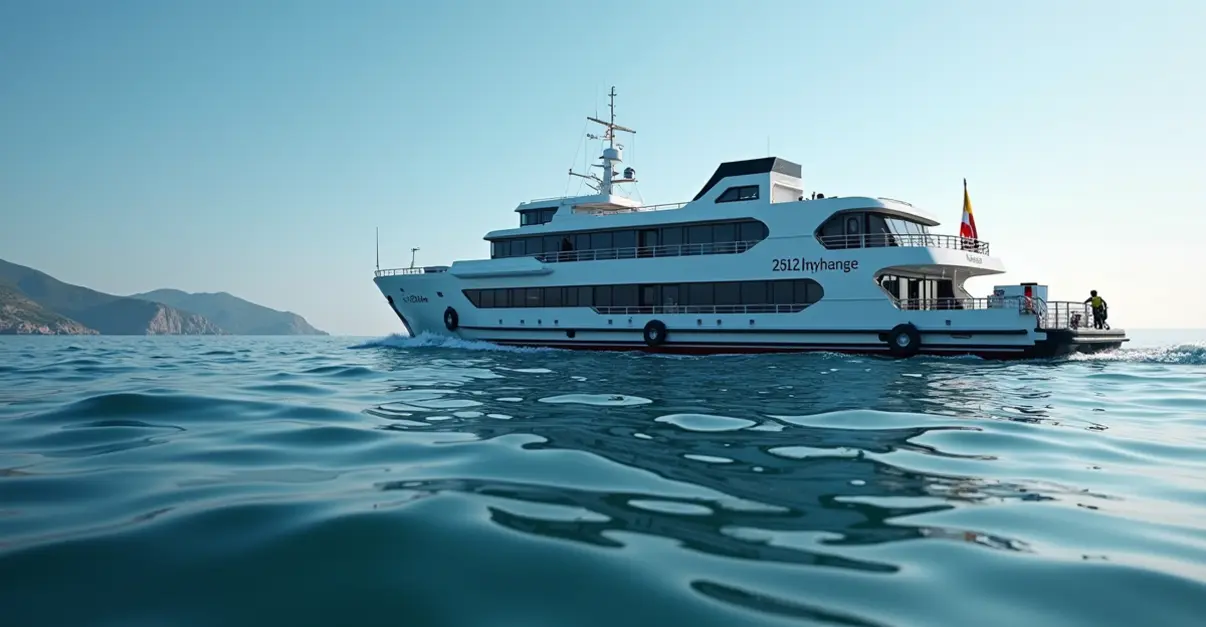
The economics of hydrogen ferry routes present significant challenges. According to recent research published in Ocean Engineering, traditional Marine Diesel Oils (MDOs) remain the most cost-effective power option across all carbon-tax scenarios. The study, which focused on the Marmara Sea ferry route between Istanbul and Bursa, Turkey, found that a 1% increase in electricity price leads to 0.57-0.86% escalation in the Levelized Cost of Hydrogen (LCOH).
MF Hydra's experience illustrates these economic challenges starkly. The vessel now faces annual fuel costs exceeding €1.4 million - four times higher than conventional diesel ferries on the same Norwegian route. 'The main problem stems from the hydrogen production and transport chain: liquid hydrogen must be produced in Germany, liquefied at -253°C, then trucked 1,300 km to Norway, resulting in significant energy losses and emissions,' reports analysis of the project's challenges.
Refueling Logistics: Infrastructure Challenges
The refueling infrastructure for hydrogen ferries remains a major obstacle to widespread adoption. Currently, there are fewer than 600 hydrogen fueling stations globally, concentrated in regions like California, Japan, and parts of Europe. This creates significant logistical challenges for ferry operators who need reliable, accessible hydrogen supplies.
A comprehensive 2025 review in RSC Advances examines hydrogen storage technologies including compressed gas, cryogenic liquid, metal hydrides, and sorbent-based systems. The study emphasizes material science innovations and combined storage strategies to improve safety and energy density, which are crucial for maritime applications.
Partnerships are emerging to address these infrastructure gaps. A new collaboration aims to develop a hydrogen-powered ferry for the Oslo-Copenhagen route, focusing on creating the necessary fueling infrastructure alongside vessel development.
Environmental Benefits: A Complex Picture
The environmental benefits of hydrogen ferries depend heavily on how the hydrogen is produced. When produced using renewable energy through electrolysis, hydrogen offers genuine zero-emission operation. However, the reality is more complex.
Research shows that 99.5% of the life-cycle Global Warming Potential (GWP) of hydrogen power options comes from electricity usage. The Solid Oxide Electrolyser-Solid Oxide Fuel Cell (SOEC-SOFC) system was identified as the most environmentally friendly option, while Proton Exchange Membrane systems performed worst in environmental assessments.
Alarmingly, lifecycle calculations for MF Hydra show the hydrogen ferry produces up to twice the CO₂ emissions of diesel counterparts when accounting for production, liquefaction, and transport. 'Well-to-wake lifecycle calculations show the hydrogen ferry produces up to twice the CO₂ emissions of diesel counterparts when accounting for production, liquefaction, and transport,' reveals analysis of the Norwegian project's environmental impact.
The Path Forward: Solutions and Innovations
Despite current challenges, significant investments and technological innovations are driving progress. The hydrogen FCV industry was valued at $1.46 billion in 2022 with projected 54.3% CAGR growth through 2030, according to market analysis. Major collaborations between industry leaders like Toyota, Honda, Shell, and government initiatives like Japan's Hydrogen Highway project and the EU's Fuel Cells and Hydrogen Joint Undertaking are accelerating infrastructure development.
Technological advancements in more affordable electrolyzers and government incentives like the EU Green Deal are helping overcome cost barriers. The key to success lies in developing local hydrogen production using renewable energy, creating standardized fueling infrastructure, and continuing innovation in fuel cell and storage technologies.
As one industry expert notes, 'The maritime industry is now focused on transitioning to cleaner fuels, with hydrogen positioned as the most promising solution to address the emissions problem while maintaining essential transportation services.' The journey toward commercially viable, environmentally beneficial hydrogen ferry services continues, with each pioneering vessel providing valuable lessons for the future of sustainable maritime transport.