
 Deutsch
 English
 Español
 Français
 Nederlands
 Português

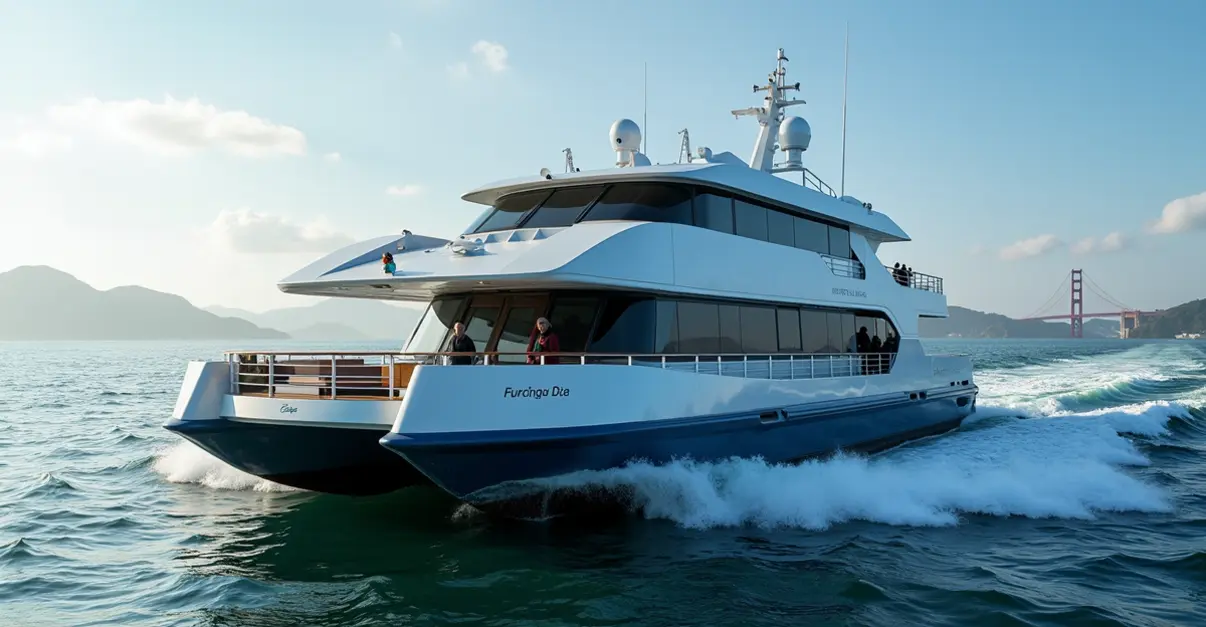





America's First Commercial Hydrogen Ferry Sets Sail in San Francisco Bay
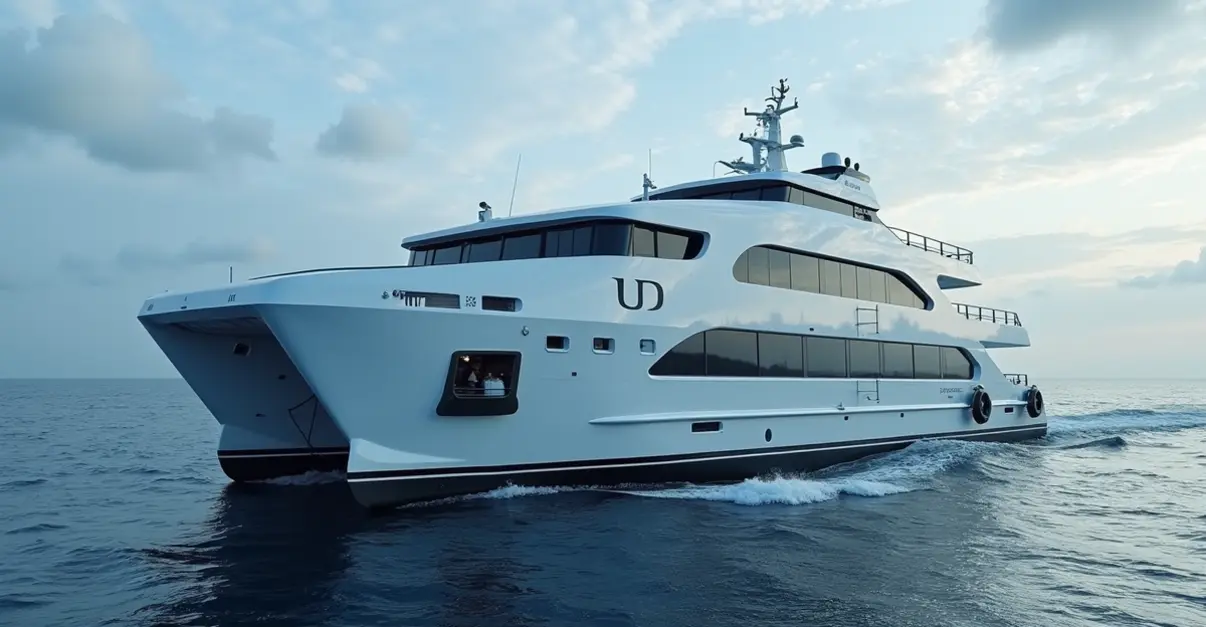
The maritime industry has reached a historic milestone with the launch of America's first commercial hydrogen-powered passenger ferry, the Sea Change, which began public operations in San Francisco Bay in late 2025. This zero-emission vessel represents a significant leap forward in sustainable transportation, emitting only water vapor while eliminating harmful pollutants that have plagued traditional diesel ferries for decades.
Technical Innovation and Operational Details
The Sea Change, developed by SWITCH Maritime in partnership with the Exploratorium, utilizes cutting-edge hydrogen fuel cell technology to power its electric motors. With a capacity for 150 passengers, the ferry can reach speeds of 25 knots and has an operational range of 120 nautical miles per charge. Refueling takes less than 30 minutes, making it practical for regular service. 'This isn't just a demonstration project—it's a fully operational commercial vessel that shows hydrogen is ready for prime time in maritime transport,' says a SWITCH Maritime spokesperson.
The vessel incorporates advanced safety features including double-layered carbon fiber hydrogen storage tanks, continuous gas detection sensors, and emergency venting systems. Its whisper-quiet operation reduces noise pollution, benefiting both passengers and marine ecosystems. The technology behind the ferry uses Proton Exchange Membrane Fuel Cells (PEMFC) that convert hydrogen and oxygen into electricity with over 60% efficiency, producing only water and heat as byproducts.
Market Implications and Economic Impact
The launch comes as the global hydrogen-based ferries market experiences explosive growth. Valued at $2.46 billion in 2024, the market is projected to reach $3.70 billion by 2031 with a 6.1% compound annual growth rate, according to Intel Market Research. Some analysts are even more optimistic, with Wise Guy Reports projecting the market could reach $10 billion by 2035.
'What we're seeing is the beginning of a fundamental shift in maritime transportation,' explains Dr. Elena Rodriguez, a maritime energy analyst. 'The success of projects like the Sea Change demonstrates that hydrogen technology is not only environmentally superior but increasingly economically viable as production costs continue to fall.'
Europe currently leads the market, with Norway operating the world's first liquid hydrogen-powered ferry, MF Hydra, since 2023. However, North America is rapidly catching up, with California's aggressive clean transportation policies creating fertile ground for hydrogen adoption.
Policy and Regulatory Landscape
The hydrogen ferry launch aligns with stringent environmental regulations from the International Maritime Organization (IMO), which targets a 50% reduction in greenhouse gas emissions from shipping by 2050. California's own regulations are even more ambitious, with the California Air Resources Board providing crucial support for the Sea Change project through grants and regulatory frameworks.
Federal initiatives like the Inflation Reduction Act have also created favorable conditions, offering tax credits for clean hydrogen production and infrastructure development. 'Policy is catching up with technology,' notes transportation policy expert Michael Chen. 'We're seeing a perfect storm of regulatory pressure, technological advancement, and economic incentives that's making hydrogen ferries not just possible, but inevitable.'
Community Impact and Public Reception
The public response has been overwhelmingly positive. The Exploratorium partnership offers free rides on select Saturdays from October through December 2025, allowing visitors to experience the technology firsthand. 'Riding the Sea Change feels like stepping into the future,' says San Francisco resident Maria Gonzalez after her first trip. 'It's quiet, smooth, and knowing you're not contributing to air pollution makes the experience even better.'
Local environmental groups have praised the initiative, noting that ferries in the San Francisco Bay Area currently contribute significantly to regional air pollution. Traditional diesel ferries emit nitrogen oxides, particulate matter, and carbon dioxide—pollutants linked to respiratory illnesses and climate change.
Challenges and Future Outlook
Despite the excitement, significant challenges remain. Hydrogen ferries currently cost 30-40% more than their diesel equivalents, though this gap is expected to narrow as production scales up. Infrastructure remains limited, with fewer than 50 ports worldwide equipped for hydrogen refueling.
However, major ports like Rotterdam, Singapore, and Los Angeles are developing hydrogen hubs that could accelerate adoption. 'The infrastructure challenge is real, but it's solvable,' says port development specialist Sarah Johnson. 'We're seeing unprecedented investment in hydrogen infrastructure, and each new project makes the next one easier.'
Looking ahead, industry experts predict that hydrogen ferries will become increasingly common, particularly for urban commuting routes and inter-island transportation. Hybrid systems combining hydrogen with battery technology may serve as transitional solutions while pure hydrogen infrastructure develops.
The success of the Sea Change represents more than just a new ferry service—it signals a fundamental transformation in how we think about maritime transportation. As the world grapples with climate change and seeks sustainable alternatives to fossil fuels, hydrogen-powered vessels offer a promising path forward that balances environmental responsibility with practical transportation needs.


Follow Discussion