


 Deutsch
 English
 Español
 Français
 Nederlands
 Português


 Share
Share




What is the EU Gas Price Cap?
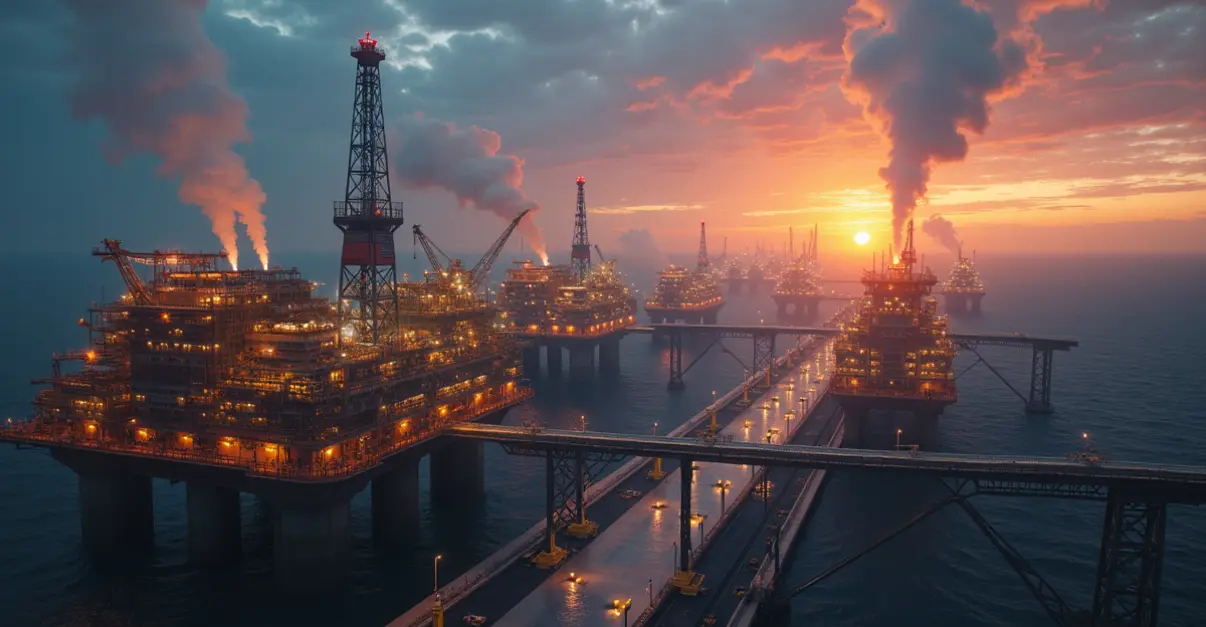
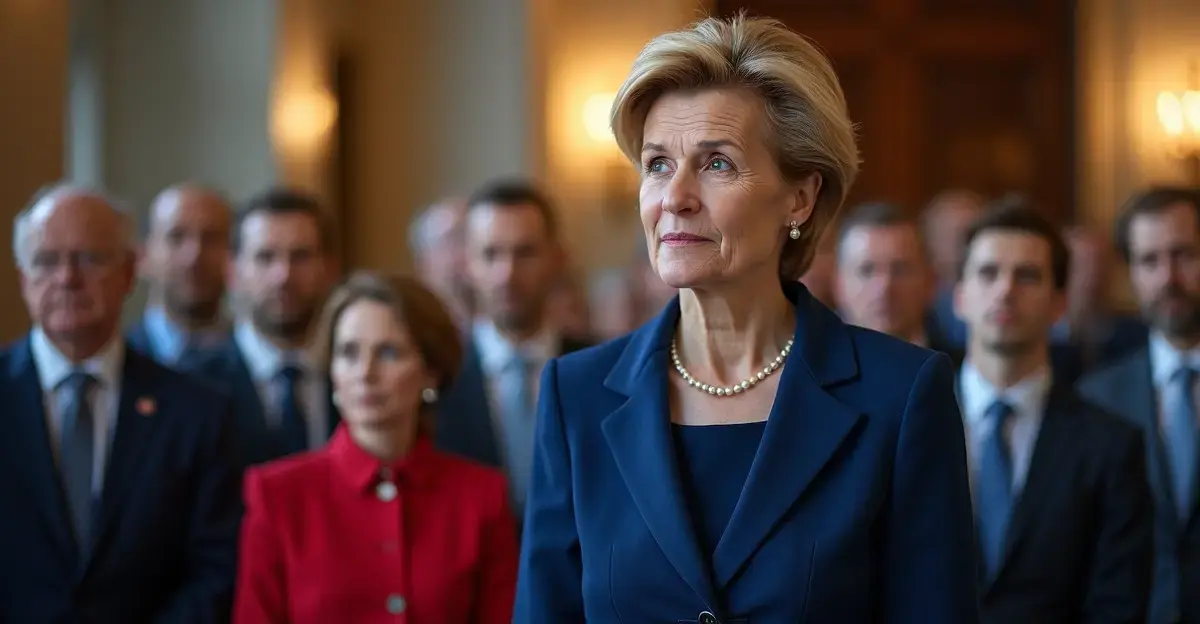
The European Union is considering implementing an emergency gas price cap as energy prices explode due to the ongoing Middle East conflict. European Commission President Ursula von der Leyen confirmed that Brussels is exploring measures to limit the cost impact on European households, with a gas price cap being one of several options on the table. The proposal comes as European benchmark gas prices have surged to €50 per megawatt-hour, representing a 50% increase since the conflict began and costing European taxpayers an additional €3 billion in fossil fuel imports during just the first ten days of the war.
Context and Background: Europe's Energy Crisis Deepens
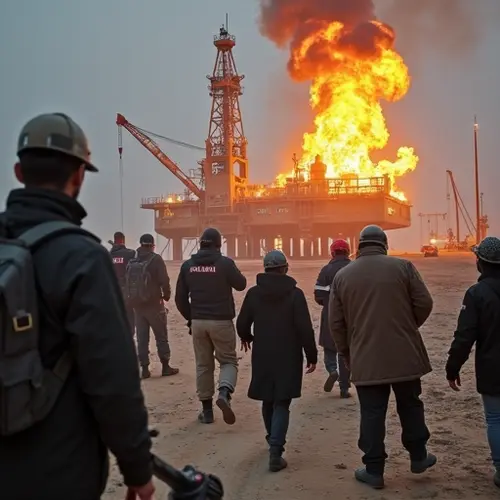
The current energy crisis marks the second major shock to European energy markets in recent years, following the 2022 Russian invasion of Ukraine that previously sent gas prices soaring. European Commission President Ursula von der Leyen stated that it is 'of crucial importance' to limit the cost impact on European households, but emphasized that returning to Russian gas imports would be a 'strategic blunder' that would make Europe 'more dependent, vulnerable, and weaker.' The EU is now facing a perfect storm: Middle East supply disruptions have halted LNG shipments from Qatar (responsible for 20% of global LNG) and forced tankers to avoid the critical Strait of Hormuz shipping route.
Current Gas Price Situation
As of March 11, 2026, EU natural gas futures have surged above €50/MWh, representing a 60% increase since early March. This comes after prices peaked at over €62/MWh earlier in the week when fears mounted that the Middle East conflict would be prolonged. The current price remains significantly above pre-conflict levels, with European gas storage critically low at just 29.4% capacity - nearly 20% below last year's levels at this time. The TTF Gas benchmark reached 49.90 EUR/MWh, up 5.29% daily and 51.24% monthly, creating severe pressure on both households and industries.
Proposed Measures and Policy Options
The European Commission is considering a comprehensive package of measures beyond just a gas price cap. According to von der Leyen's statements to the European Parliament, the four-component approach includes:
- Better utilization of power purchase agreements (PPAs)
- Implementation of contracts for difference (CfDs)
- State aid measures for vulnerable sectors
- Potential gas price subsidies or caps
The Commission is preparing these options ahead of next week's EU leaders summit, where discussions will focus on short-term measures to achieve lower energy prices. Von der Leyen highlighted that energy costs represent 56% of electricity bills, followed by network charges (18%), taxes and levies (15%), and carbon costs (11%).
Historical Precedent: The 2022 Gas Price Cap
This isn't the first time Brussels has considered gas price caps. Following the Russian invasion of Ukraine in 2022, the EU implemented a gas price cap mechanism that would activate if trading prices remained above €180 per megawatt-hour for three consecutive days. That cap was never triggered and expired at the beginning of 2025. The current proposal differs significantly, as it would likely involve a much lower trigger price given current market conditions around €50/MWh.
Expert Analysis and Criticism
Not all experts support the gas price cap proposal. Simone Tagliapietra, an analyst at the Brussels-based think tank Bruegel, told Bloomberg that 'any form of a maximum price for gas or subsidy would be very counterproductive for Europe.' He warned that 'artificially lowering the gas price would stimulate demand for this scarce and expensive product, which would further worsen the situation and put enormous pressure on public finances.'
Tagliapietra's analysis suggests that price caps could create market distortions similar to those seen during previous energy crises. His concerns echo those of Germany and the Netherlands, which previously opposed such caps during the 2022 energy crisis, warning they could hamper Europe's ability to secure fuel supplies during emergencies.
Economic Impact and Implications
The Middle East conflict has already had severe economic consequences for Europe. According to von der Leyen, the first ten days of the war cost European taxpayers '€3 billion extra for imports of fossil fuels.' This comes as industries struggle with high energy costs affecting their competitiveness against rivals in China and the United States. Goldman Sachs estimates that sustained price increases could cut 0.2% off UK and euro area GDP, potentially triggering broader economic consequences.
The EU faces significant challenges in balancing immediate relief for consumers with long-term market stability. As von der Leyen noted, while the EU installed a record 80 gigawatts of renewables last year, six times more renewable energy cannot access the grid due to infrastructure limitations. This highlights the need for comprehensive European energy infrastructure investment alongside emergency price measures.
Frequently Asked Questions
What is a gas price cap?
A gas price cap is a government-imposed maximum price that can be charged for natural gas, designed to protect consumers from extreme price volatility during supply crises.
Why is the EU considering a gas price cap now?
The EU is considering emergency measures because Middle East supply disruptions have caused European gas prices to surge 50% since the conflict began, costing taxpayers €3 billion in additional fossil fuel imports in just ten days.
What was the previous EU gas price cap?
Following Russia's 2022 invasion of Ukraine, the EU implemented a gas price cap that would activate at €180/MWh for three consecutive days. It was never triggered and expired in early 2025.
What are the alternatives to a gas price cap?
Alternatives include better use of power purchase agreements, contracts for difference, state aid measures, and subsidizing gas prices without implementing formal caps.
When will EU leaders decide on these measures?
EU leaders will meet next week to discuss short-term measures to lower energy prices, with decisions expected shortly thereafter.


Follow Discussion