
 Deutsch
 English
 Español
 Français
 Nederlands
 Português

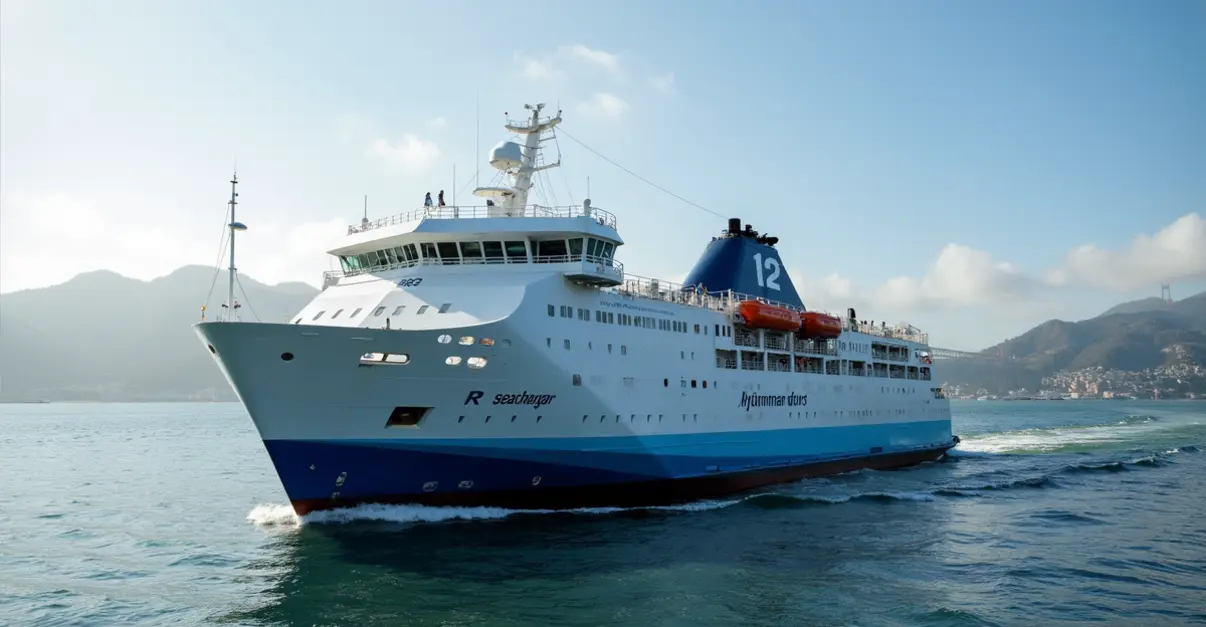





Hydrogen Ferry Pilot Launches Commercial Operations
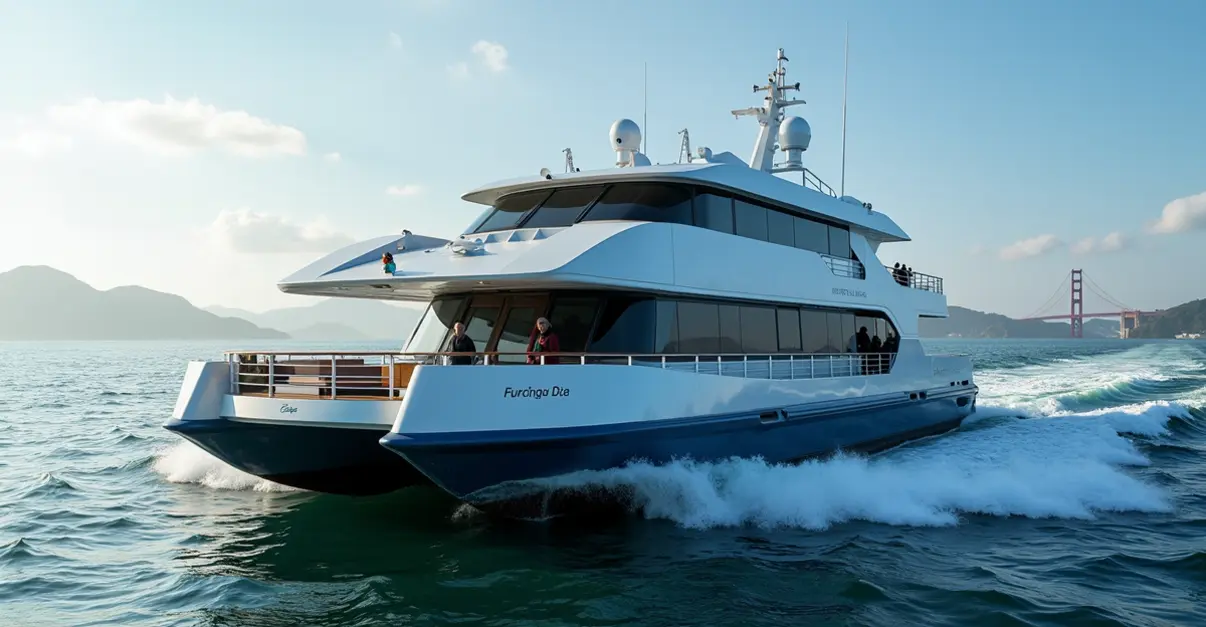
The maritime industry has reached a significant milestone with the MV Sea Change, the world's first 100% hydrogen fuel cell passenger ferry, beginning commercial service in San Francisco Bay. This groundbreaking vessel represents a major step toward decarbonizing maritime transport and offers valuable insights into the practical challenges of hydrogen-powered shipping.
Route Economics and Operational Challenges
The 70-foot catamaran, capable of carrying 75 passengers, operates on the San Francisco Bay Ferry's Pier 41 Short Hop route. While exact operating costs remain proprietary, industry experts estimate hydrogen ferries currently face higher fuel expenses than conventional diesel vessels. 'The economics are challenging but improving,' says maritime analyst Dr. Sarah Chen. 'Hydrogen fuel costs around $8-16 per kilogram, and the Sea Change carries 246 kg at 250-bar pressure. That's a significant operational expense, but we're seeing rapid cost reductions as infrastructure scales up.'
The vessel's 360-kW fuel cell powertrain provides enough power for typical ferry operations without supporting diesel generators or significant battery backup systems. This pure hydrogen approach makes it a true zero-emission vessel when using green hydrogen produced from renewable sources.
Refueling Logistics Breakthrough
One of the most critical aspects of the pilot program has been testing hydrogen bunkering operations. The Sea Change requires specialized refueling infrastructure that's still rare in maritime environments. 'Refueling logistics are the make-or-break factor for hydrogen vessels,' explains project manager Michael Torres from SWITCH Maritime. 'We've developed protocols for high-pressure hydrogen transfer that meet Coast Guard safety standards while maintaining operational efficiency.'
The refueling process takes approximately 15-20 minutes, comparable to diesel refueling times for similar vessels. However, the infrastructure investment is substantial, with hydrogen refueling stations costing $2.5-4 million for on-site production capabilities.
Emission Reductions and Environmental Impact
According to the Sea Change DOE Report from Sandia National Laboratories, the hydrogen ferry eliminates direct greenhouse gas emissions during operation. When powered by green hydrogen produced through electrolysis using renewable electricity, the vessel achieves near-zero lifecycle emissions.
'This isn't just about cleaner air in port cities,' notes environmental scientist Dr. Elena Rodriguez. 'The Sea Change demonstrates that we can eliminate sulfur oxides, nitrogen oxides, and particulate matter from maritime transport while also addressing climate change through CO2 reduction.'
The vessel's environmental performance varies depending on hydrogen production methods. When using gray hydrogen from natural gas, emissions reductions are less dramatic, highlighting the importance of developing green hydrogen infrastructure alongside vessel technology.
Future Prospects and Industry Implications
The successful commercial operation of the MV Sea Change provides crucial data for future hydrogen vessel development. The technical documentation shows that hydrogen fuel cells can meet the demanding power requirements of commercial ferry operations while maintaining safety and reliability standards.
Industry observers believe this pilot could accelerate adoption of hydrogen technology in the maritime sector, particularly for short-sea shipping and ferry routes. 'What we're learning from the Sea Change will inform designs for larger vessels,' says naval architect James Wilson. 'The International Maritime Organization's goal of net-zero emissions by 2050 requires solutions like this to scale rapidly.'
As infrastructure improves and costs decline, hydrogen ferries could become economically competitive with conventional vessels within 5-7 years, especially when considering potential carbon pricing and government incentives for clean transportation.


Follow Discussion