
 English







German Business Confidence Plummets to Pandemic-Era Low
The German economy has suffered a severe blow in April 2026, with the Ifo Business Climate Index falling to its lowest level since the COVID-19 pandemic. The closely watched indicator dropped nearly two points to 84.4, down from 86.3 in March, marking the weakest reading since May 2020. The sharp decline signals deepening pessimism among German businesses as the ongoing Iran crisis disrupts energy supplies and global trade routes.
The Ifo Institute's monthly survey of approximately 9,000 companies across manufacturing, construction, wholesale, and retail sectors revealed widespread deterioration in both current conditions and six-month expectations. The index, which serves as a leading indicator for Europe's largest economy, now points to mounting risks of stagnation or even recession.
Iran Crisis: The Primary Driver of Economic Woes
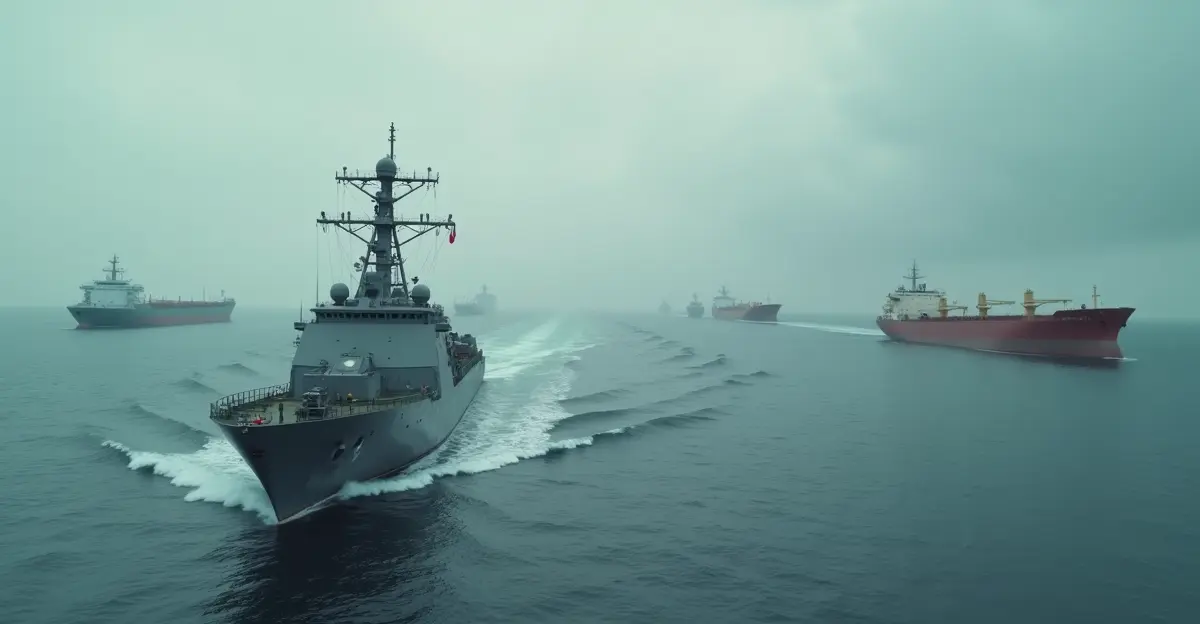
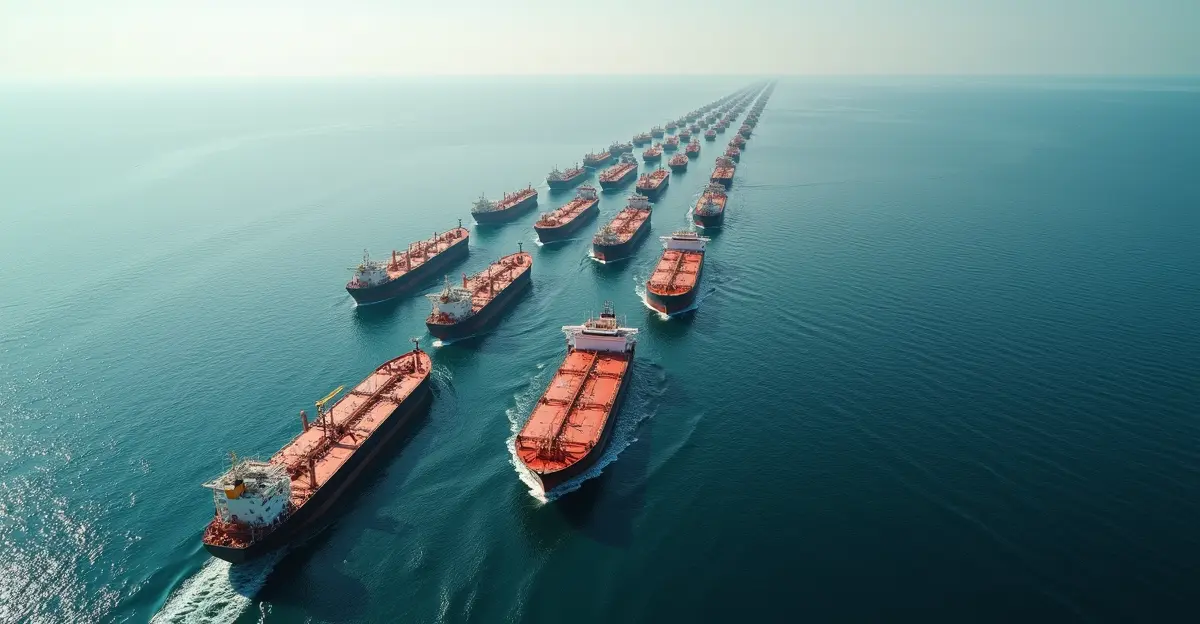
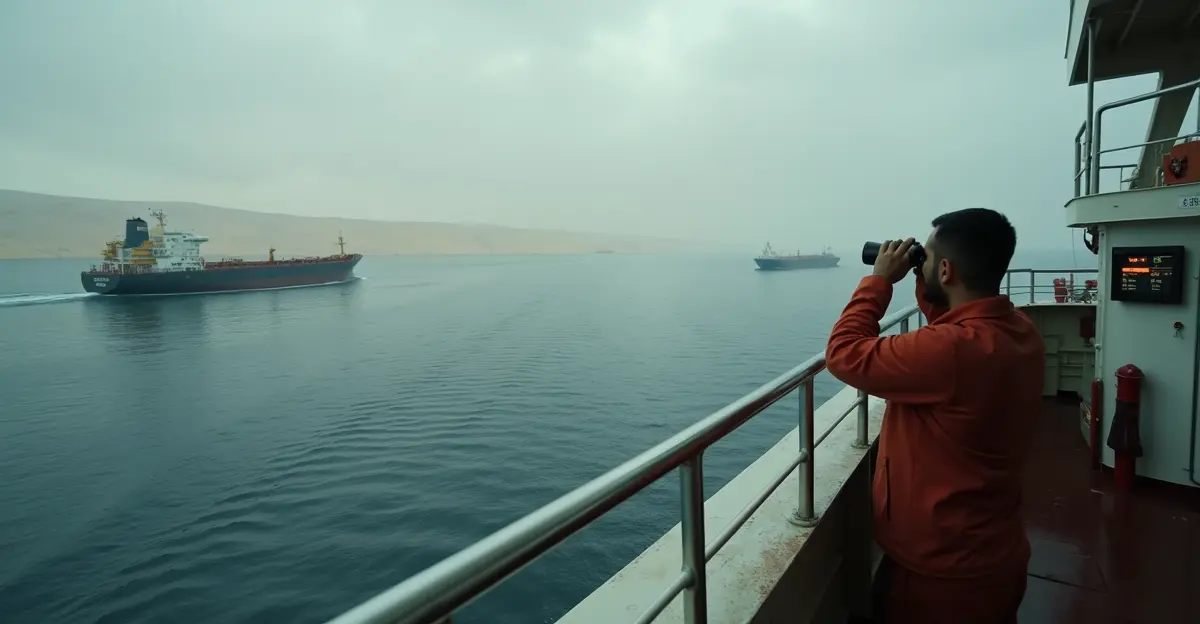
The collapse in business confidence is directly linked to the 2026 Strait of Hormuz crisis, which began in late February when the US and Israel launched military operations against Iran. In retaliation, Iran effectively blocked the Strait of Hormuz — a chokepoint through which approximately 25% of the world's seaborne oil and 20% of LNG normally passes. Tanker traffic through the strait has plummeted by nearly 70%, with oil prices surging past $100 per barrel for the first time in four years.
Energy-Intensive Industries Hit Hardest
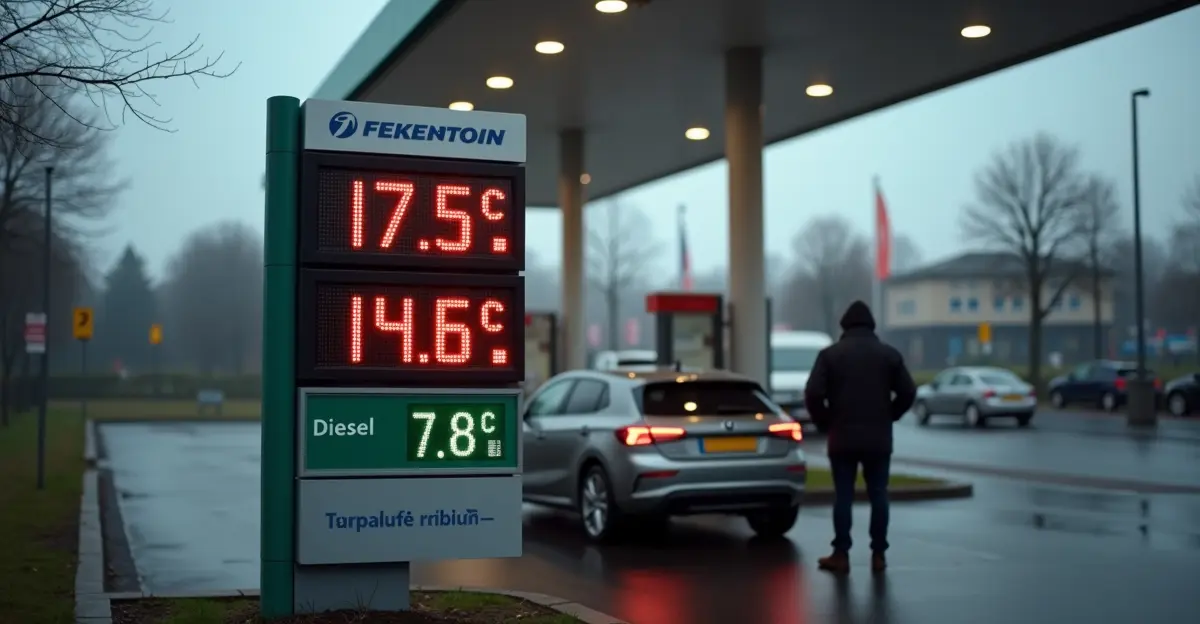
German chemical companies have been particularly affected, as they rely heavily on oil both as an energy source and as a raw material. The broader manufacturing sector — the backbone of the German economy — is facing soaring input costs and supply chain disruptions. In the services sector, transport and logistics companies are struggling with record fuel prices, with gasoline reaching €2.50 per liter in Germany.
'The German economy is being hard hit by the Iran crisis,' said Clemens Fuest, President of the Ifo Institute. 'Companies are telling us there is trouble ahead. The outlook is bleak, especially for energy-intensive industries.'
From Optimism to Despair: A Rapid Reversal
The downturn marks a dramatic reversal from the cautious optimism that prevailed among German businesses in late 2025. At that time, expectations were buoyed by the newly elected government's announcement of a €500 billion fiscal package focused on defense and infrastructure investment. Many hoped these measures would finally lift the German economy out of its prolonged period of weak growth.
However, the Iran crisis has shattered that optimism. ING Chief Economist Carsten Brzeski noted: 'The deterioration stands in stark contrast to the optimism among German entrepreneurs at the end of last year. The new energy crisis has reignited fears of stagnation.'
Broader Economic Impact
The German government has already halved its 2026 growth forecast to just 0.5%, down from an earlier estimate of 1%. Inflation is expected to reach 2.7% this year, driven by soaring energy costs. The crisis is also affecting Germany's key trading partners: as Europe's largest economy and the Netherlands' most important trade partner, a German downturn has significant ripple effects across the continent.
The Dutch economy and German trade links are particularly vulnerable, given the Netherlands' role as a major transit hub for German goods and its own exposure to energy price shocks.
Can Fiscal Stimulus Save the Day?
Despite the grim sentiment, some economists argue that the massive fiscal stimulus already in the pipeline could eventually turn the tide. The €500 billion package for defense and infrastructure represents one of the largest peacetime spending programs in German history. Brzeski pointed out that 'without this fiscal stimulus, the German economy would be shrinking right now. The planned government spending should ultimately stimulate economic growth.'
However, experts warn that the energy crisis could derail these plans. Higher energy costs are diverting attention and resources away from much-needed structural reforms. Germany urgently needs a long-term energy strategy to reduce its dependence on imports and ensure competitive prices for its industrial base.
The European energy crisis and industrial policy response will be critical in determining whether Germany can navigate this dual shock of geopolitical conflict and energy disruption.
FAQ: German Economy and Ifo Index
What is the Ifo Business Climate Index?
The Ifo Business Climate Index is a leading economic indicator for Germany, based on monthly surveys of about 9,000 companies. It measures current business conditions and expectations for the next six months across manufacturing, construction, wholesale, and retail sectors. An index value below 100 indicates below-average economic sentiment.
Why did the Ifo index drop to 84.4 in April 2026?
The sharp decline is primarily due to the Iran crisis and the blockade of the Strait of Hormuz, which has disrupted oil and gas supplies, sent energy prices soaring, and created widespread uncertainty among German businesses. Chemical, transport, and manufacturing firms have been hit especially hard.
How does the German economy affect the Netherlands?
Germany is the Netherlands' most important trading partner. A slowdown in the German economy reduces demand for Dutch exports, while higher energy prices impact both countries. The Netherlands also serves as a major transit hub for German goods through ports like Rotterdam.
What is the German government doing to address the crisis?
The government has announced a €500 billion fiscal package focused on defense and infrastructure investment. It has also halved its 2026 growth forecast to 0.5%. However, the effectiveness of these measures may be limited if the energy crisis persists.
Could Germany fall into a recession?
While not yet in recession, the risk has increased significantly. The Ifo index at pandemic-era lows, combined with rising energy costs, supply chain disruptions, and falling industrial output, suggests the German economy could contract in the coming quarters if conditions do not improve.
Sources
- Ifo Institute for Economic Research — Press Release, April 24, 2026 (ifo.de)
- Reuters — German business sentiment falls more than expected in April (reuters.com)
- CNBC — Germany's economic recovery hit by Iran conflict (cnbc.com)
- Wikipedia — 2026 Strait of Hormuz crisis (wikipedia.org)
- BNR Nieuwsradio — Original Dutch article (bnr.nl)

Follow Discussion