
 Deutsch
 English
 Español
 Français
 Nederlands
 Português







The AI Trade Paradox: One-Third of Global Growth
Artificial intelligence has emerged as the primary engine of global trade expansion in 2026, with AI-related commerce accounting for a staggering one-third of all international trade growth according to recent UNCTAD and McKinsey reports. This unprecedented concentration represents what analysts term the 'AI Trade Paradox' – where AI chips generate over 50% of semiconductor revenue while representing less than 0.2% of unit volume, creating both extraordinary economic opportunities and unprecedented concentration risks. The global semiconductor supply chain has become the central nervous system of this transformation, with semiconductors and data-center equipment exports driving new trade corridors and fundamentally reshaping economic dependencies between nations.
What is the AI-Driven Trade Revolution?
The AI-driven trade revolution refers to the fundamental restructuring of global commerce patterns driven by artificial intelligence infrastructure development. Unlike previous technological shifts that gradually influenced trade, the AI boom has created immediate, concentrated demand for specialized hardware including advanced semiconductors, graphics processing units (GPUs), and data-center construction equipment. According to Federal Reserve analysis, AI-related trade drove nearly half of merchandise trade growth in the first half of 2025 despite representing only about 15% of total trade volume. This disproportionate impact stems from the capital-intensive nature of AI infrastructure, with U.S. data-center spending expected to exceed half a trillion dollars in 2025 alone.
The New Trade Architecture: Emerging Patterns and Corridors
Semiconductor Supply Chain Reconfiguration
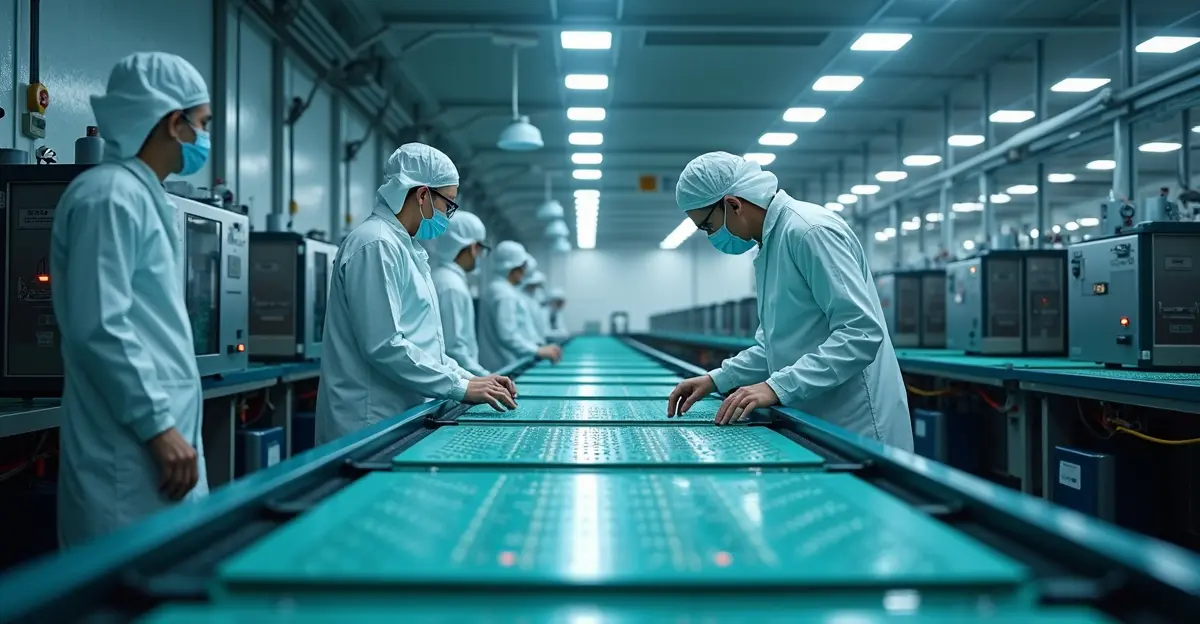
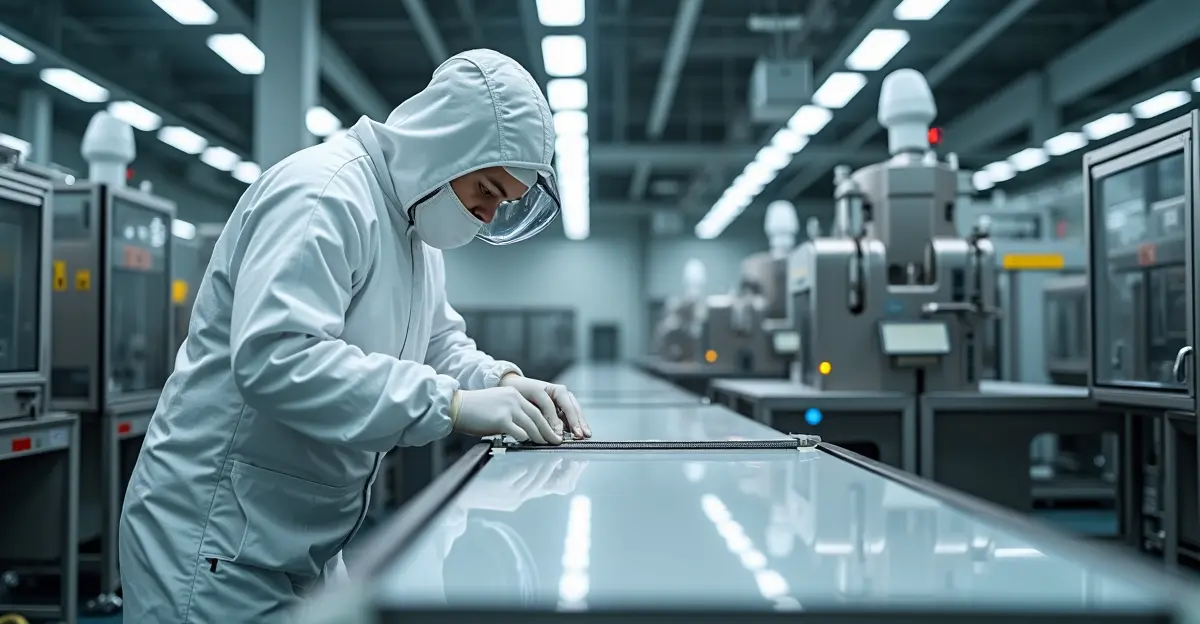
The global semiconductor industry, projected to exceed $1.3 trillion in revenue by 2026 according to Gartner forecasts, has become the epicenter of new trade dynamics. Traditional manufacturing hubs are being supplemented by emerging centers, with Southeast Asia attracting massive investment – Malaysia alone secured $6.3 billion in tech investment focused on semiconductor manufacturing. This geographic diversification reflects growing concerns about supply chain resilience, particularly given Taiwan's TSMC and Dutch firm ASML's dominant positions in advanced chip manufacturing and lithography equipment respectively. The US-China technology competition has accelerated this reconfiguration, with export controls creating parallel supply chains and new trade corridors.
Data-Center Equipment: The Physical Infrastructure Boom
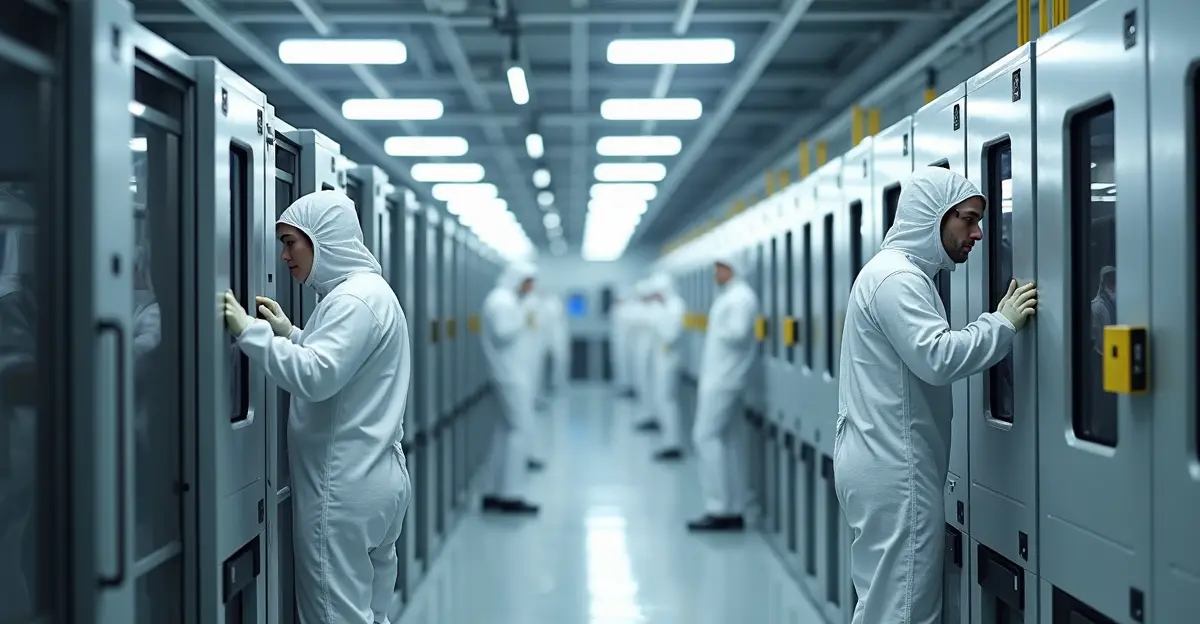
Beyond semiconductors, the AI revolution requires massive physical infrastructure. Data-center construction equipment, cooling systems, power distribution units, and optical communication networks have become critical trade commodities. McKinsey analysis reveals AI-related trade grew at 33% annually through 2025, far outpacing global economic growth of approximately 3%. This surge has created new dependencies, with countries specializing in different segments of the AI infrastructure value chain. The United States leads in AI infrastructure build-out, followed by China, while Europe has lagged behind, creating distinct regional trade patterns and investment flows.
Geopolitical Implications: The Emerging AI Trade Bloc
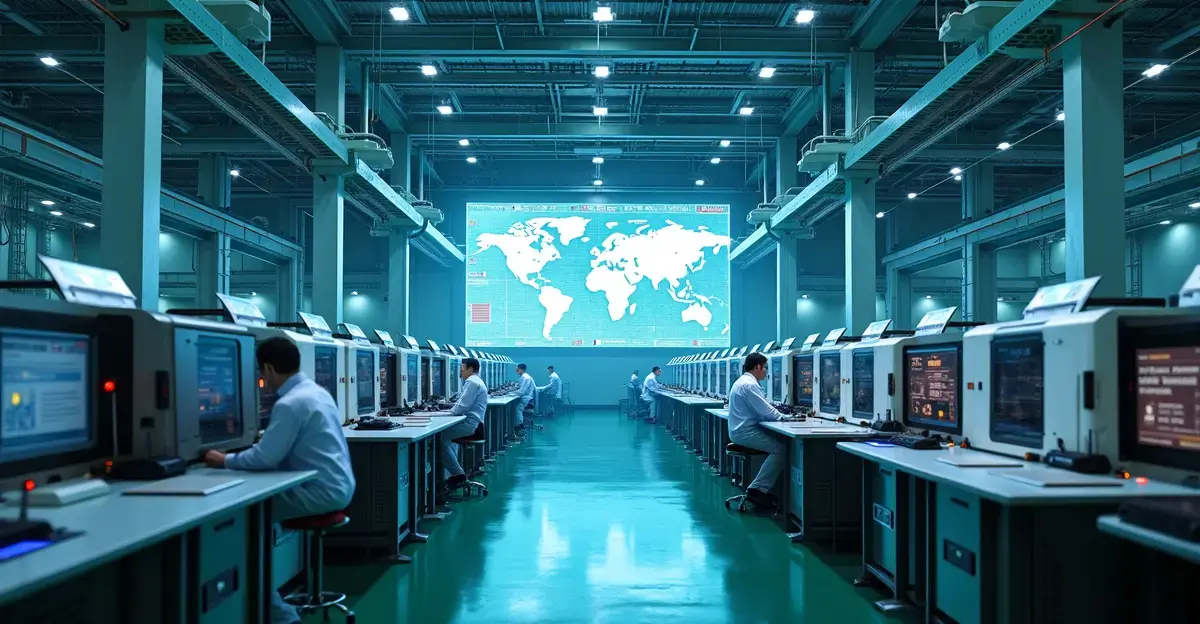
The concentration of AI-related trade has created new geopolitical leverage points that are reshaping international relations. Nations controlling critical components of the AI supply chain – from rare earth minerals for chip manufacturing to advanced lithography equipment – wield unprecedented economic influence. This has led to the emergence of what analysts call 'AI trade blocs,' informal alliances centered on technology sharing and supply chain security. The strategic implications are profound: countries are reconsidering industrial policies, implementing targeted subsidies for semiconductor manufacturing, and establishing new trade agreements focused on technology transfer and intellectual property protection.
Economic Dependencies and Strategic Vulnerabilities
The AI trade revolution has created asymmetric dependencies that pose both opportunities and risks. On one hand, countries with advanced semiconductor manufacturing capabilities like Taiwan, South Korea, and the Netherlands have gained significant economic leverage. On the other, nations dependent on imported AI infrastructure face strategic vulnerabilities. The Federal Reserve research notes that AI-related capital expenditure has accelerated dramatically, creating boom conditions in specific sectors while potentially exacerbating economic disparities. Businesses must now navigate a complex landscape where supply chain resilience has become as important as cost efficiency, with inventory management and geopolitical risk assessment becoming critical competencies.
Expert Perspectives on the Structural Shift
Industry analysts emphasize the structural nature of this transformation. 'We're witnessing not just a cyclical boom but a fundamental restructuring of global trade architecture,' notes a McKinsey Global Institute researcher. 'The AI infrastructure demand is creating permanent shifts in trade patterns, investment flows, and economic dependencies that will shape the global economy for decades.' The concentration of value in specific components – particularly advanced semiconductors – has created what some term 'chokepoint economics,' where control over critical technologies translates directly into geopolitical influence.
Future Outlook: Navigating the New Trade Landscape
As the AI-driven trade revolution accelerates through 2026 and beyond, several key trends will shape the global economic architecture. First, regionalization of semiconductor manufacturing will continue, with countries implementing strategic industrial policies to secure domestic capabilities. Second, trade in AI-related services – including cloud computing access and AI model licensing – will become increasingly important alongside hardware trade. Third, environmental considerations will grow more prominent, as the energy-intensive nature of AI infrastructure creates new trade in green technologies and carbon credits. Finally, international governance frameworks will need to evolve to address the unique challenges posed by AI-related trade, from export controls to intellectual property protection.
Frequently Asked Questions
What percentage of global trade growth comes from AI-related commerce?
AI-related trade accounts for approximately one-third of all global trade expansion in 2026, according to UNCTAD and McKinsey reports, making it the primary engine of international commerce growth.
Which countries lead in AI infrastructure development?
The United States currently leads globally in AI infrastructure build-out, followed by China, while Europe has lagged behind according to Federal Reserve analysis. However, Southeast Asian nations like Malaysia are emerging as important manufacturing hubs.
How has the semiconductor supply chain changed due to AI demand?
The semiconductor supply chain has undergone significant geographic diversification, with increased investment in Southeast Asia and renewed focus on supply chain resilience. Traditional manufacturing centers now compete with new hubs as countries seek to reduce dependencies.
What are the main risks of AI-driven trade concentration?
Key risks include supply chain vulnerabilities, geopolitical tensions over technology control, economic disparities between AI-capable and AI-dependent nations, and potential bottlenecks in critical components like advanced semiconductors.
How are businesses adapting to the new trade architecture?
Businesses are implementing strategies including nearshoring, friend-shoring, increased inventory buffers, enhanced geopolitical risk assessment, and diversification of suppliers across different geographic regions.
Sources
UNCTAD Global Trade Update April 2026
McKinsey Global Institute: Geopolitics and Global Trade 2026 Update
Federal Reserve: Global Trade Effects of AI Infrastructure Boom
AI Semiconductors and Global Trade Architecture 2026
Gartner Semiconductor Revenue Forecast 2026


Follow Discussion