


 Deutsch
 English
 Español
 Français
 Nederlands
 Português


 Share
Share




The AI-Driven Trade Revolution: How Semiconductor and Data-Center Equipment Are Redefining Global Commerce in 2026
In a fundamental structural shift reshaping international trade patterns, AI-related commerce has emerged as the primary growth engine for global trade, with semiconductors and data-center equipment accounting for one-third of global trade expansion in 2025 according to McKinsey's 2026 update. This AI-driven trade revolution represents the most significant transformation in global commerce since the rise of container shipping, creating new geopolitical dependencies and forcing nations to reconsider industrial policies amid unprecedented tariff volatility and supply chain realignment.
What is the AI Trade Revolution?
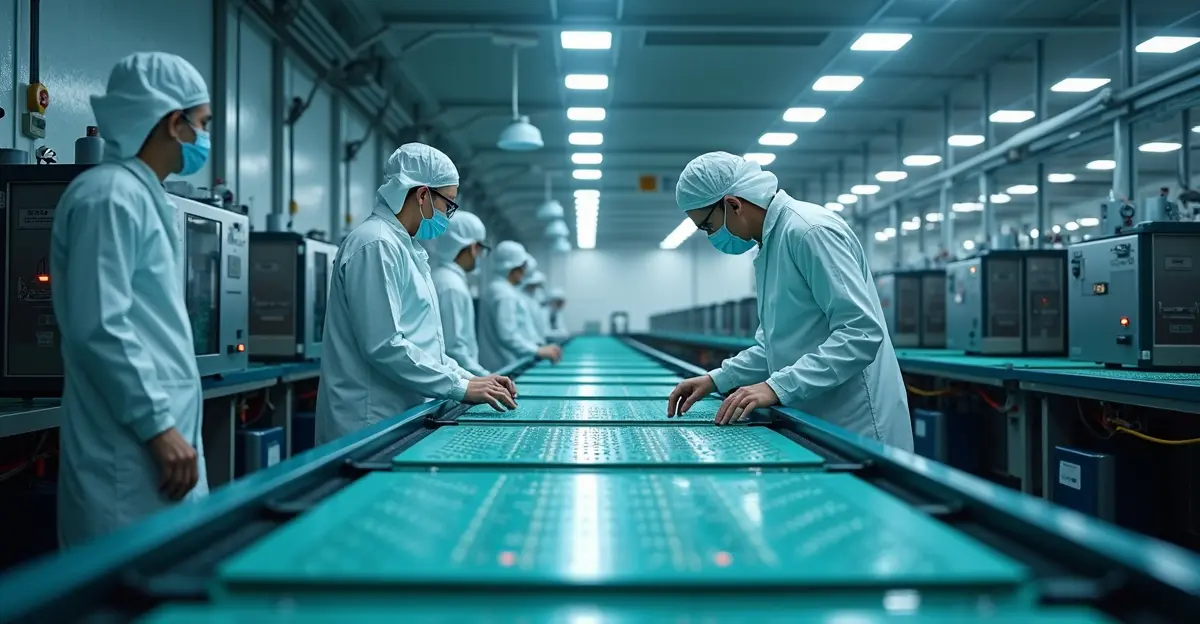
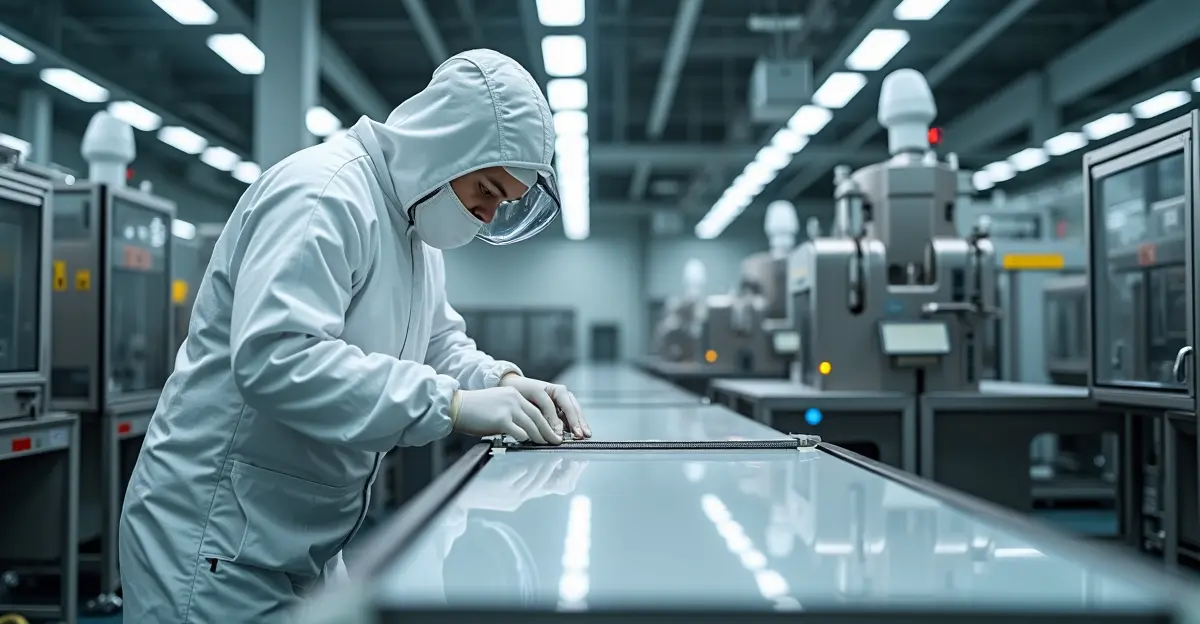
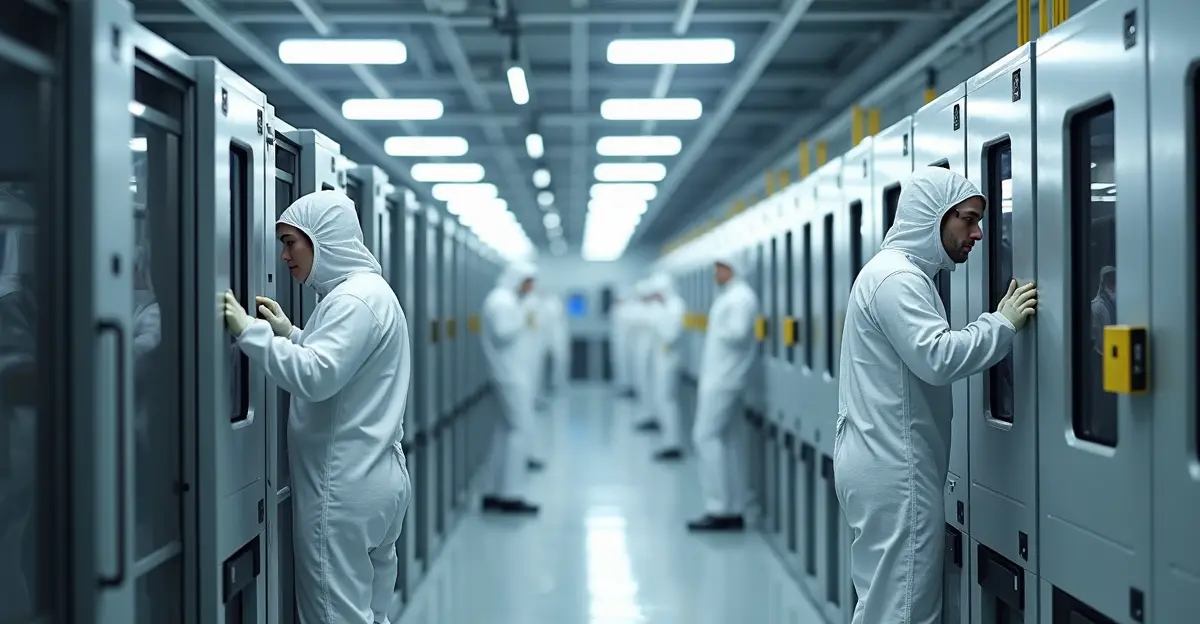
The AI trade revolution refers to the explosive growth in international commerce driven by artificial intelligence infrastructure development, primarily through semiconductor manufacturing equipment and data-center construction components. According to Federal Reserve analysis, AI-related trade drove nearly half of merchandise trade growth in the first half of 2025 despite representing only about 15% of total trade. This surge is creating parallel supply chains and reshaping traditional trade patterns as nations compete for technological supremacy in what experts call the Fourth Industrial Revolution.
The Strategic Implications of AI Trade Dominance
The transformation of global trade patterns has profound strategic implications that extend far beyond economic statistics. McKinsey's 2026 Global Institute update reveals that global trade grew faster than the global economy in 2025 despite geopolitical tensions, with AI-related semiconductor trade accounting for 33% of global trade expansion. This represents a fundamental restructuring where trade increasingly follows political alignment rather than pure market efficiency.
US-China Trade Decoupling Accelerates
The most dramatic shift has been the accelerated decoupling between the world's two largest economies. US-China trade fell by approximately 30% due to tariffs, with the average effective US tariff rate jumping from 2.4% in late 2024 to about 22% in early 2025, reaching its highest level in about a century. The US replaced about two-thirds of the gap with imports from other countries, creating opportunities for emerging manufacturing hubs while forcing companies to navigate unprecedented regulatory complexity.
China's Pivot to 'Factory to the Factories'
China is transforming from being the 'factory to the world' to a 'factory to the factories,' increasing exports of industrial components and capital goods to emerging economies rather than exporting finished goods directly to Western markets. This strategic pivot reflects Beijing's recognition that the global supply chain realignment requires new approaches to maintaining manufacturing dominance while navigating geopolitical tensions.
Southeast Asia's Deepening Manufacturing Role
The ASEAN region has emerged as the primary beneficiary of supply chain diversification, with 14% export growth driven by robust global demand for electronics and AI-related components. Vietnam emerged as the region's top performer with over 8% growth, while Malaysia and Singapore gained significant momentum driven by manufacturing and services sectors. Southeast Asia's transformation from low-value, labor-intensive sectors to high-tech industries including electronics, machinery, automotive, and semiconductors represents one of the most significant economic shifts of the decade.
India's Selective Sector Gains
India has made strategic gains in selected sectors, now supplying 40% of US smartphone imports that previously came from China. This selective advancement reflects New Delhi's careful navigation of the AI trade landscape, focusing on sectors where it can leverage existing capabilities while avoiding direct competition with established manufacturing powers. The country offers compelling entry points with cyclical tailwinds according to J.P. Morgan's 2026 Asia Outlook.
Intersection with Energy Demands and Cybersecurity
The AI trade revolution intersects with critical infrastructure concerns, particularly energy demands and cybersecurity vulnerabilities. AI infrastructure requires massive capital investment ($11.7 million per megawatt in the US) and consumes substantial energy - US data centers used 4.4% of national electricity in 2023, projected to reach 6.7-12% by 2028. The World Economic Forum argues that AI infrastructure must be treated as critical national infrastructure due to its strategic importance and vulnerabilities, as demonstrated by a March 2026 incident where Iranian drones attacked Amazon Web Services facilities in the UAE and Bahrain.
Corporate Response and Strategic Adaptation
According to the Thomson Reuters Institute's 2026 Global Trade Report, corporate trade departments are evolving from administrative back-office functions to strategic business partners. This shift is primarily driven by unprecedented tariff volatility, with 72% of trade professionals citing US tariff changes as their most impactful regulatory challenge. Supply chain management has become the top concern for 68% of trade professionals, nearly double from the previous year. Companies are responding with comprehensive restructuring: 65% are changing sourcing patterns, 57% renegotiating supplier contracts, and 51% pursuing nearshoring or moving manufacturing back to the US.
Expert Perspectives on the Transformation
Industry analysts emphasize the structural nature of these changes. 'The AI semiconductor trade realignment represents a fundamental restructuring of global supply chains driven by explosive AI infrastructure demand and geopolitical tensions,' notes one industry report. 'This structural shift represents a new era where trade increasingly follows political alignment rather than pure market efficiency, creating parallel semiconductor ecosystems and a more fragmented but potentially more resilient global trading system.' The Deloitte 2026 Semiconductor Industry Outlook reveals a high-stakes paradox where AI-driven demand is pushing revenues to record levels while creating significant risks, with the global semiconductor industry expected to reach $975 billion in annual sales in 2026.
Frequently Asked Questions
What percentage of global trade growth comes from AI-related products?
AI-related trade, primarily semiconductors and data-center equipment, accounts for one-third (33%) of global trade expansion in 2025 according to McKinsey's 2026 update.
How much has US-China trade declined due to tariffs?
US-China trade fell by approximately 30% due to tariffs, with the average effective US tariff rate jumping from 2.4% in late 2024 to about 22% in early 2025.
Which regions are benefiting most from supply chain diversification?
Southeast Asia has emerged as the primary beneficiary with 14% export growth, while India now supplies 40% of US smartphone imports that previously came from China.
What are the main concerns for trade professionals in 2026?
72% of trade professionals cite US tariff volatility as their most impactful regulatory challenge, while 68% identify supply chain management as their top priority according to Thomson Reuters.
How is China adapting to the changing trade landscape?
China is transforming from being the 'factory to the world' to a 'factory to the factories,' increasing exports of industrial components and capital goods to emerging economies.
Future Outlook and Strategic Considerations
The AI-driven trade revolution shows no signs of slowing, with the global semiconductor industry projected to reach $975 billion in annual sales in 2026 according to Deloitte. However, this growth masks structural divergences: AI chips drive roughly half of total revenue but represent less than 0.2% of total unit volume. As nations navigate this complex landscape, strategic considerations must balance technological advancement with energy sustainability, cybersecurity resilience, and geopolitical stability. The transformation of global trade patterns represents both unprecedented opportunity and significant risk, requiring careful navigation by governments and corporations alike.


Follow Discussion