


 Deutsch
 English
 Español
 Français
 Nederlands
 Português


 Share
Share




A catastrophic Central African Republic gold mine collapse in the village of Zamboye has left more than 100 people dead, according to local mining officials and humanitarian volunteers. The accident happened on Tuesday afternoon, August 18, 2026, when an artisanal gold mine gave way without warning, burying hundreds of miners under tonnes of rock, sand and debris. Rescue teams were still working into Wednesday night, but authorities warned the death toll could rise further as several people remain unaccounted for.
What Happened at the Zamboye Gold Mine?
The collapse occurred in Zamboye, a border settlement near Cameroon in western Central African Republic, roughly 50 kilometres from Baboua. Video footage shared online shows hundreds of workers at the open-pit and underground site moments before a section of the mine collapsed. A local official described the search for survivors as desperate. 'It would be a miracle if we find anyone alive,' the official told the Associated Press.
Initial reports on Tuesday evening spoke of at least 30 fatalities, but that figure climbed sharply overnight. A senior official at a local mining association told Reuters that more than 100 bodies had been recovered, while a Red Cross volunteer independently confirmed the same number. Authorities have launched an investigation into the cause and are trying to establish who owns the mine, which is suspected of operating without full safety oversight.
Artisanal Mining and Safety Failures in Central African Republic
The disaster highlights the dangerous conditions faced by workers in artisanal gold mining in Central Africa. Most miners in the region work informally, using hand tools and unstable tunnels with little or no structural support. In western CAR, gold rushes attract thousands of young men from CAR and neighbouring Cameroon, often with no formal safety training or emergency plans.
This is not an isolated incident. According to Africa News, at least 40 people have died in CAR mining accidents in 2026 alone before this latest tragedy. In June, dozens were killed when the Be-Mbari gold mine collapsed in the same western region. In March, seven people died in a separate incident, and at least 20 were killed in February at other mine sites.
Why Do These Collapses Keep Happening?
- Unregulated and illegal mining operations without safety inspections
- Weak enforcement of mining laws and unclear land ownership
- High demand for gold, pushing miners to dig deeper with unstable methods
- Seasonal rains that weaken soil and increase landslide risk
Similar concerns have been raised across the continent. The recent mine safety regulations in Africa debate has focused on how governments can protect informal miners without pushing them further into unregulated zones. In neighbouring countries, reform efforts have had mixed results.
Rescue Efforts and Rising Toll
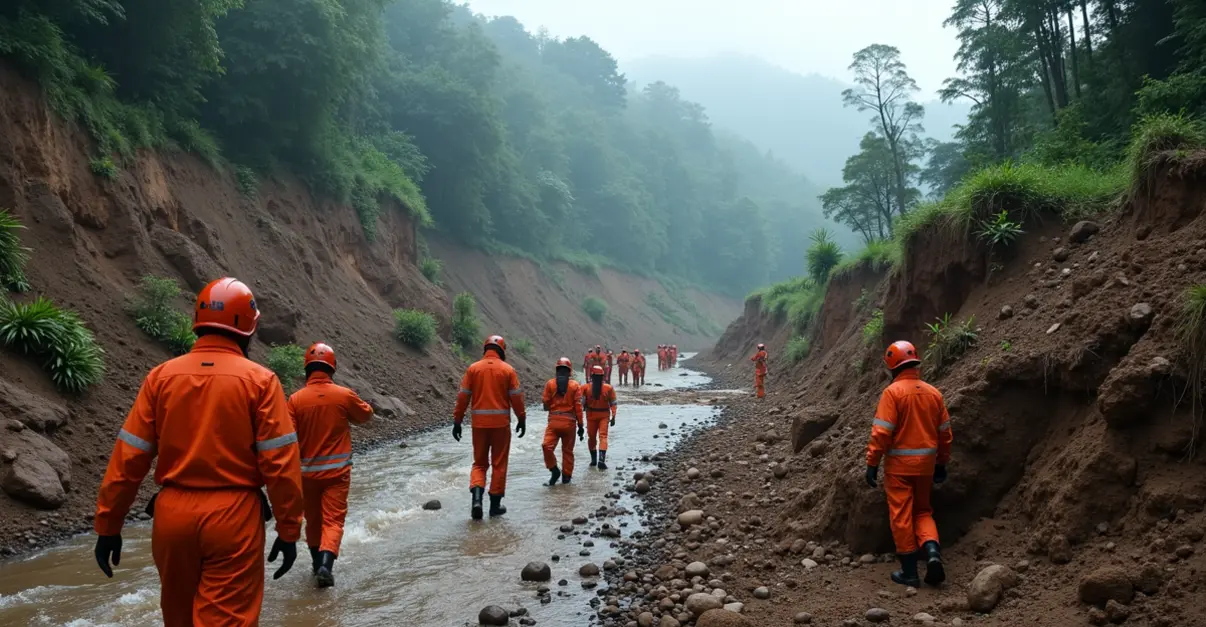
Rescue workers, local volunteers and Red Cross teams are using shovels, ropes and their bare hands to remove debris. Access to the remote site is difficult, and heavy machinery has not yet arrived. Some miners are believed to be trapped in underground tunnels, but the risk of further collapse is slowing the search.
Bertrand Be Yangue, a city official, told news agencies that the toll is expected to rise as more bodies are recovered. At least three Cameroonian citizens have been identified among the victims, confirming the cross-border nature of the workforce. The exact number of people inside the mine at the time of collapse remains unknown, complicating the search.
Impact and Implications
The Zamboye collapse is one of the deadliest mining disasters in Central African Republic's recent history. It will intensify calls for stricter regulation of the informal gold sector and may prompt neighbouring governments to tighten border controls on cross-border miners. However, given the economic dependence on artisanal gold, any crackdown could face strong local resistance.
International observers are also drawing parallels with previous CAR mining disasters to argue that only systemic reforms, including formalising small-scale mining and providing safety equipment, can prevent future tragedies. Without such changes, many fear the next collapse is only a matter of time.
Frequently Asked Questions
How many people died in the Central African Republic mine collapse?
More than 100 people are confirmed dead as of August 19, 2026, according to a local mining association official and a Red Cross volunteer. The toll is expected to rise.
Where did the gold mine collapse happen?
The collapse occurred in Zamboye, western Central African Republic, near the border with Cameroon, about 50 km from Baboua.
What caused the Central African Republic mine collapse?
The exact cause is under investigation, but initial reports suggest unstable underground tunnels and a landslide of sand and rock buried the miners.
Are mine collapses common in Central African Republic?
Yes. Artisanal mining accidents are frequent. At least 40 people died in CAR mining incidents in 2026 before this disaster, including dozens in June at the Be-Mbari mine.
Is rescue still underway?
Yes. Rescue teams and volunteers are searching for survivors, but officials say finding anyone alive would be 'a miracle' due to the scale of the collapse.





Follow Discussion