


 Deutsch
 English
 Español
 Français
 Nederlands
 Português


 Share
Share




Deadly Earthquake Strikes Kumamoto, Japan
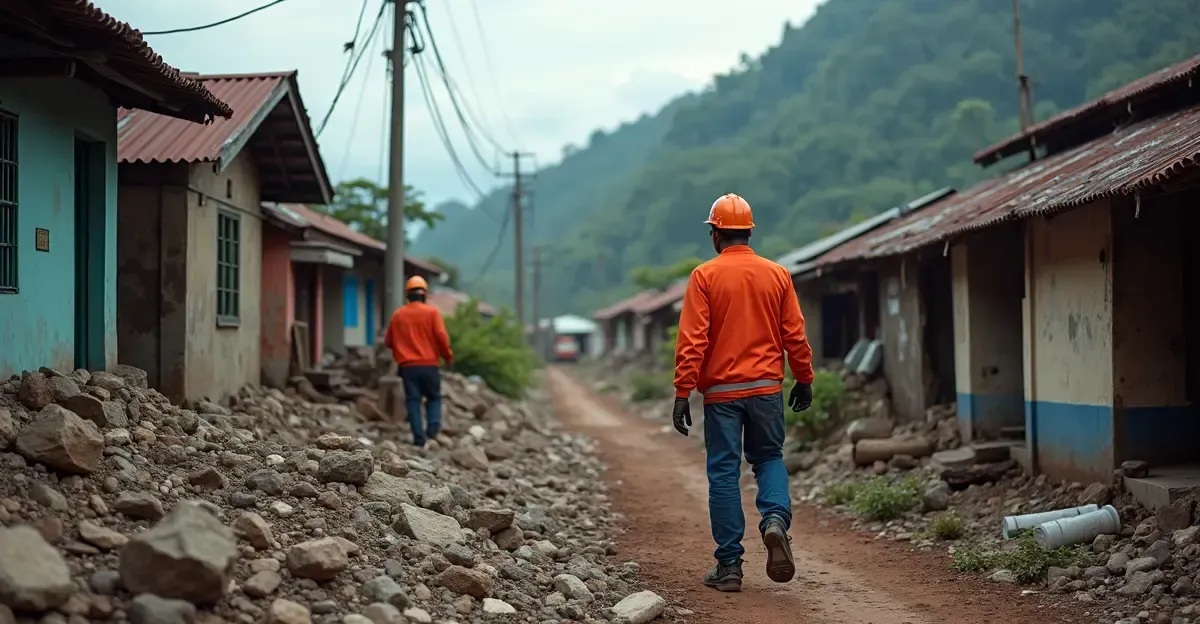
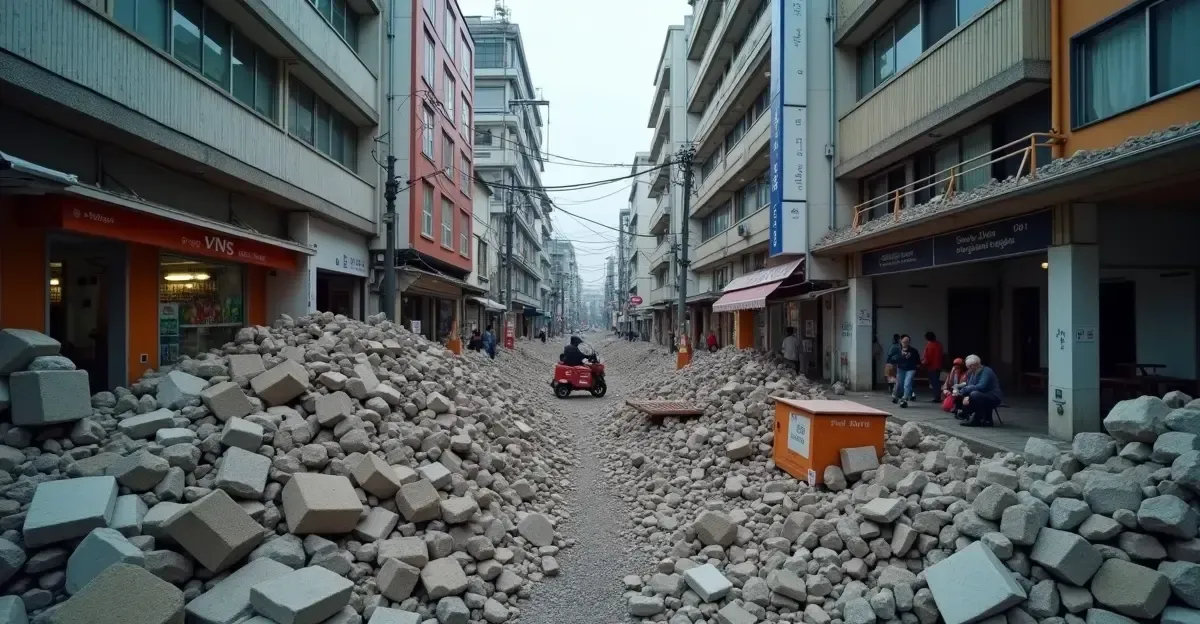
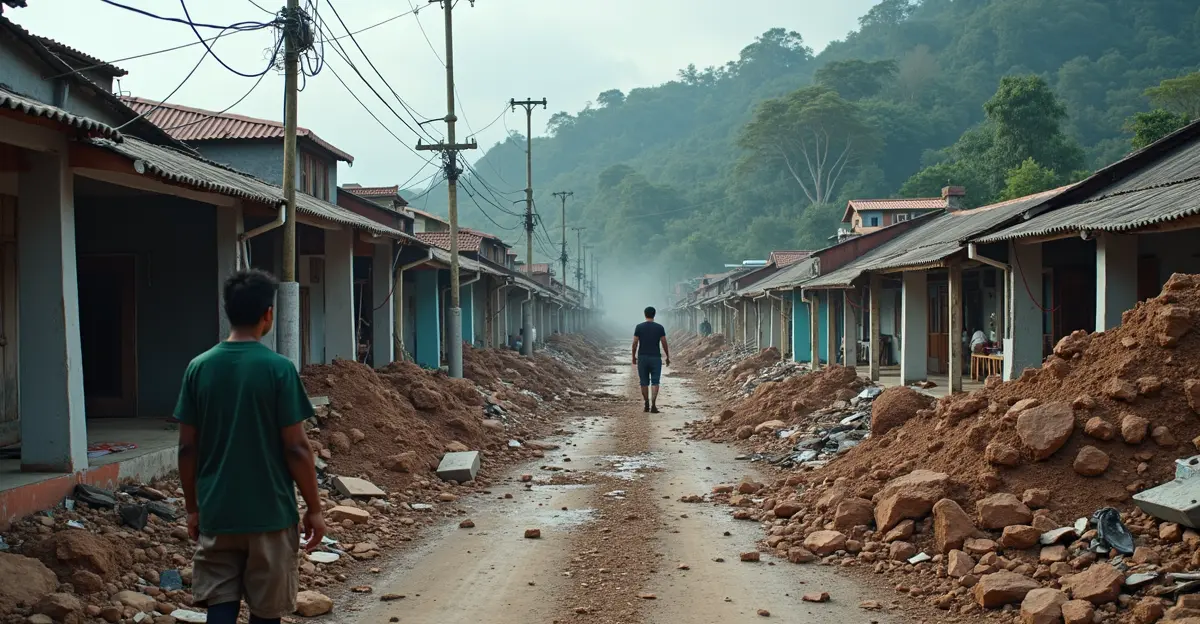
A powerful magnitude 7.1 earthquake struck Japan's southern island of Kyushu on July 28, 2026, leaving at least 34 people dead and dozens injured as rescue operations continue amid a rising death toll. The 2026 Kumamoto earthquake, as named by the Japan Meteorological Agency, hit at 16:27 JST at a shallow depth of 10 kilometers, registering the highest level of 7 on Japan's seismic intensity scale in the cities of Uki and Hikawa. The quake triggered widespread destruction, including a devastating explosion at a shopping mall, collapsed industrial facilities, and severe infrastructure damage across Kumamoto Prefecture.
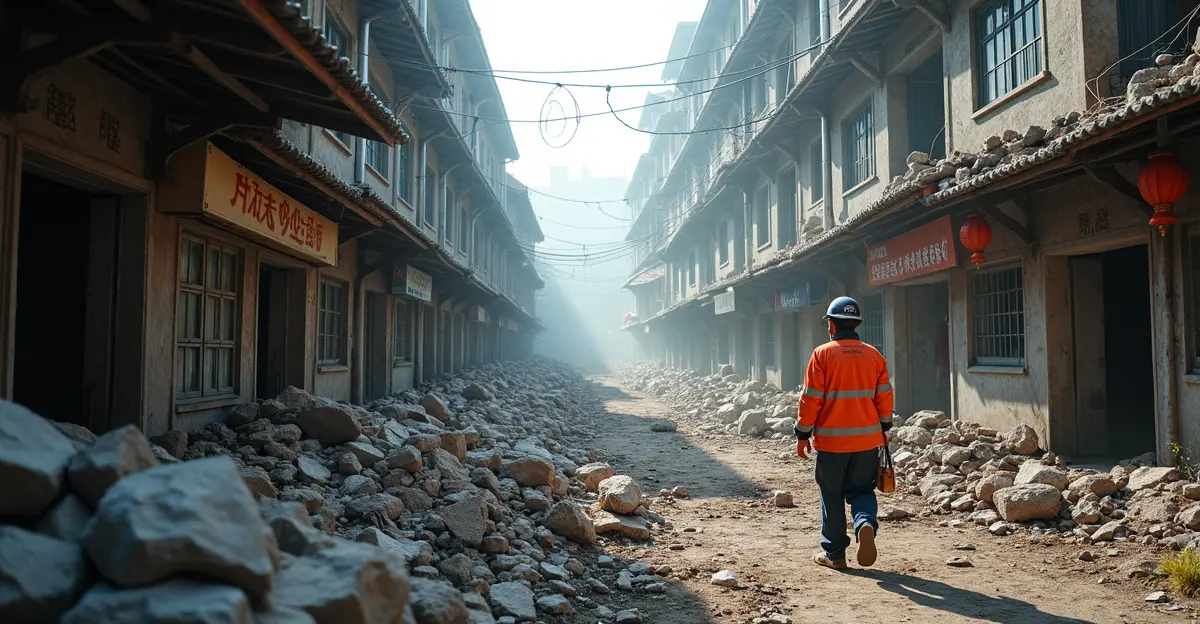
As of July 30, the death toll has risen to 34, with 123 people injured across Kumamoto, Fukuoka, Kagoshima, and Oita prefectures, according to Japan's Fire and Disaster Management Agency. More than 10,000 residents remain in evacuation centers, while tens of thousands of households are without electricity or running water. The Japanese government has deployed thousands of Self-Defense Forces personnel to assist with search-and-rescue efforts, but the operation is hampered by persistent aftershocks and sweltering summer heat exceeding 35 degrees Celsius.
Devastation at Aeon Mall and Industrial Sites
One of the deadliest incidents occurred at the Aeon Mall Kumamoto in Kashima Town, where a gas explosion triggered a partial collapse of the building about an hour after the main earthquake. At least seven people were killed at the mall, which had only recently reopened after being rebuilt following the deadly 2016 Kumamoto earthquakes. Rescue workers continue to search through the rubble for any remaining survivors.
In the coastal city of Yatsushiro, a chimney collapse at a Nippon Paper Industries factory killed eight workers, while ten others were rescued. The earthquake also caused significant damage to roads, bridges, and the historic Kumamoto Castle, whose stone walls partially crumbled. The 2025 earthquake in Turkey and Syria showed similar patterns of industrial and historical site damage.
Aftershocks and Heatwave Compound Crisis
More than 250 aftershocks have been recorded since the main event, including a magnitude 6.1 tremor later the same day. The Japan Meteorological Agency has warned that strong aftershocks could continue for at least a week, raising the risk of further building collapses. Many residents are sleeping in their cars or evacuation centers, afraid to return to their damaged homes.
Compounding the disaster, a severe heatwave has pushed temperatures above 35 degrees Celsius (95 degrees Fahrenheit) in the affected region. The Ministry of Defense has dispatched approximately 300 mobile air conditioning units to evacuation centers, and officials have issued warnings about heatstroke. Over 23,000 households remain without electricity and 75,000 without water, according to the latest reports.
Government Response and International Aid
Prime Minister Sanae Takaichi described the situation as a "race against time" and expressed gratitude for international offers of assistance. The government has mobilized 3,600 military personnel for rescue and relief operations. The 2024 Noto Peninsula earthquake response provided valuable lessons for Japan's emergency management systems.
"We are prioritizing saving lives above all else," Prime Minister Takaichi said in a press conference. "Every minute counts as our teams work through the rubble."
The earthquake was caused by strike-slip faulting along the southern portion of the Hinagu Fault, the same fault system that ruptured during the 2016 Kumamoto earthquakes that killed 277 people. The 2026 event is Japan's deadliest earthquake since the 2024 Noto Peninsula disaster. Tremors from the quake were felt as far away as South Korea and parts of China.
FAQ: Japan's 2026 Kumamoto Earthquake
What was the magnitude of the 2026 Kumamoto earthquake?
The Japan Meteorological Agency recorded a magnitude of 7.1 (MJMA), while the United States Geological Survey measured it as Mw 6.8. The earthquake struck at a depth of 10 kilometers.
How many people died in the Japan 2026 earthquake?
As of July 30, 2026, at least 34 people have been confirmed dead, with 123 injured. The death toll may rise as rescue operations continue.
What caused the explosion at Aeon Mall Kumamoto?
A gas leak caused by the earthquake triggered an explosion about an hour after the main shock, leading to a partial collapse of the shopping mall. Seven people died in this incident.
How many aftershocks have been recorded?
More than 250 aftershocks have been recorded, including a magnitude 6.1 event. The Japan Meteorological Agency warns that strong aftershocks may continue for about a week.
Is this earthquake related to the 2016 Kumamoto earthquakes?
Yes, both earthquakes occurred along the same Hinagu Fault system. The 2026 event is considered a continuation of seismic activity in the region, which experienced devastating quakes in April 2016.
Sources
Information for this article was compiled from reports by NHK, the Japan Meteorological Agency, the Fire and Disaster Management Agency, the United States Geological Survey, The Guardian, BBC News, The New York Times, and the Japan Times.


Follow Discussion